Africa’s largest oil producer records first Libyan crude import as local supply frustrates Dangote refinery
Nigeria imported about two million barrels of crude from Libya in May, marking the first recorded shipment from the North African country to Africa’s biggest oil producer and exposing the supply gap facing local refiners.
 Black News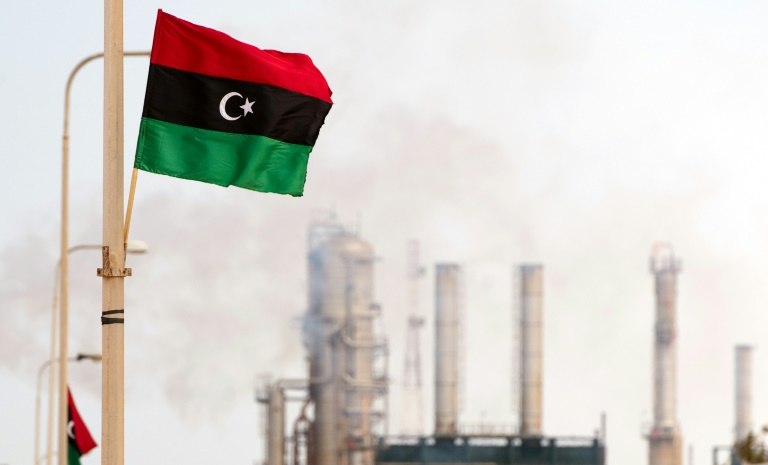
Nigeria imported about two million barrels of crude from Libya in May, marking the first recorded shipment from the North African country to Africa’s biggest oil producer and exposing the supply gap facing local refiners.
- Nigeria imported about two million barrels of crude from Libya in May 2026, marking the first such shipment and highlighting a supply gap for Nigerian refiners.
- Despite being a major crude exporter, Nigeria's local refineries lack sufficient domestic supply and increasingly source crude from other countries, including Libya.
- Libya, which has Africa’s largest proven oil reserves, is gaining influence in regional energy markets and finding new buyers like Nigeria, Egypt, and Tunisia.
- Dangote Refinery in Nigeria is expanding its crude sources amid plans to increase refining capacity to 1.4 million barrels per day by 2028.
The transaction also points to Libya’s growing influence in African energy trade, despite years of post-Gaddafi instability, disputes over oil revenues and repeated output disruptions.
Although often seen as an underdog, Libya holds Africa’s largest proven oil reserves, estimated at about 48 billion barrels, giving it a strategic position in the continent’s petroleum market.
DON'T MISS THIS: Africa’s richest man moves closer to multi-billion-dollar East African industrial expansion as government fast-tracks investment talks
Libya Finds New Buyers
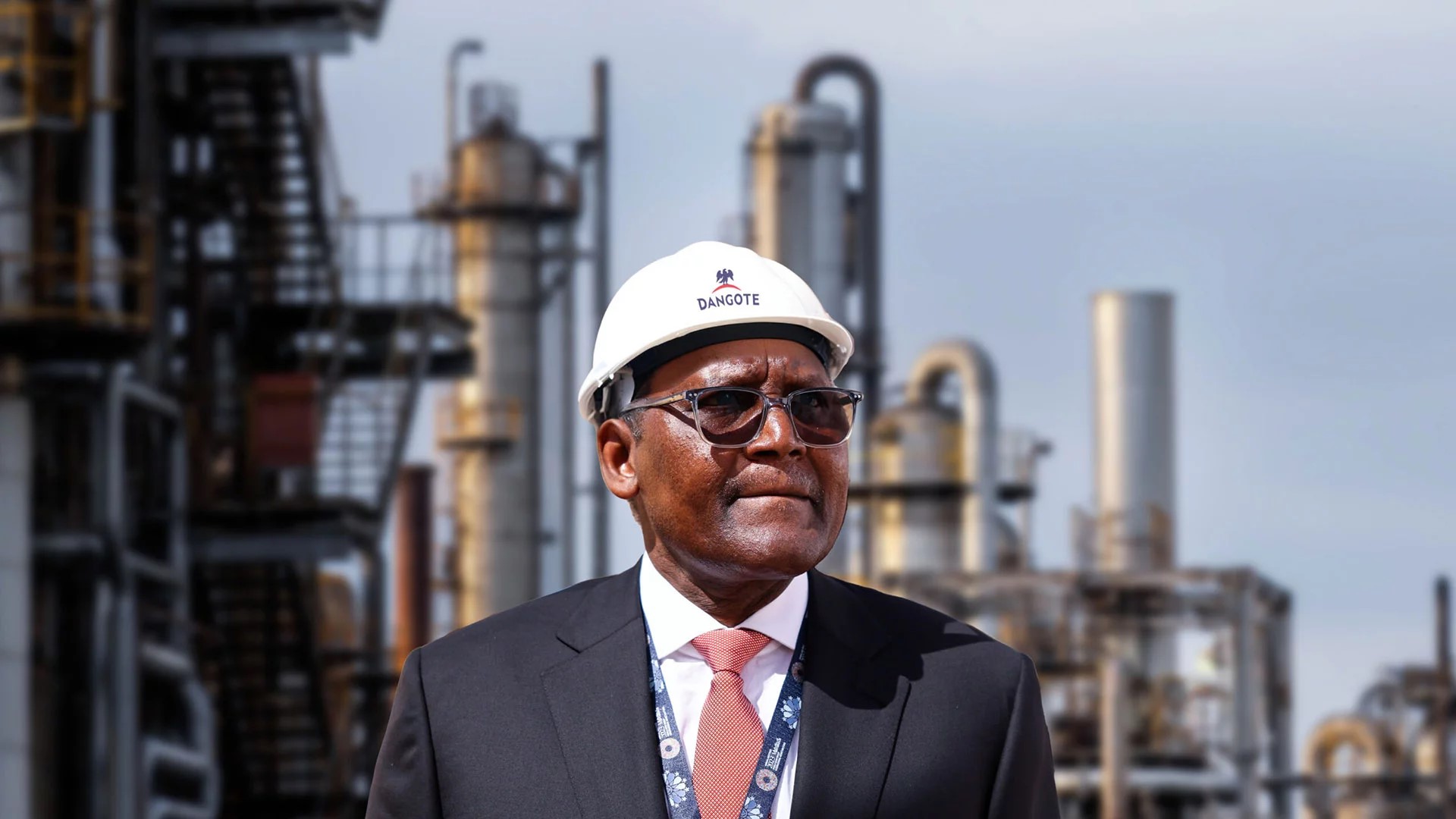
The shipment followed reports in 2024 that the $20 billion Dangote Petroleum Refinery, owned by Africa’s richest man, Aliko Dangote, was exploring crude supply from Libya.
At the time, Libya’s National Oil Corporation denied the talks, saying it had not negotiated crude supply to any Nigerian refinery.
However, data published by the Energy Research Unit showed that Nigeria imported around 64,500 barrels per day of Libyan crude in May 2026.
“The shipment marks the first recorded Nigerian import of Libyan crude in available historical data dating back to 2013,” the report said.
The latest cargo suggests Libyan crude has since entered Nigeria’s refining system as Dangote builds a more flexible crude slate.
Beyond West Africa, Libya is also expanding its footprint in neighbouring markets.
Egypt imported about 33,000 barrels per day of Libyan crude in April 2026 after buying 57,000 barrels per day in February, while Tunisia increased purchases to about 19,000 barrels per day in March and 10,000 barrels per day in May.
Even so, Libya’s wider export performance remained under pressure.
Despite its breakthrough into Nigeria and steady demand from parts of Europe, including Italy, which imported 348,000 barrels per day in May, the country’s crude exports fell by about 11% to approximately 1.07 million barrels per day, the lowest level in several months.
DON'T MISS THIS: Africa's richest man signs $400 million China equipment deal as refinery expansion targets 1.4 million bpd
Nigeria’s Refining Supply Gap
Nigeria’s import of Libyan crude highlights a contradiction in its oil economy, especially with the rise of heavyweight refiners such as Dangote.
The country produces large volumes of crude, yet local refiners continue to complain of inadequate domestic supply.
Nigeria exported an estimated 148.9 million barrels of crude valued at about N20.22 trillion in the first five months of 2026, representing about 68.7% of its total production during the period.
That has left local refineries competing for available barrels and pushed Dangote to widen its crude supply sources.
In 2026, the refinery has imported Angola’s Cabinda and Saxi Batuque crudes, Ghana’s Jubilee crude and, for the first time, Libyan and Guyanese supplies, according to S&P Global Energy data.
The refinery has also turned to other foreign markets, including the United Arab Emirates, adding to earlier supplies from the United States, Brazil, Algeria and Equatorial Guinea as it diversifies its feedstock.
Beyond crude supply, Nigeria’s refining market is also being shaped by regional fuel-trading routes, with Lomé in Togo emerging as a refined-fuel hub where some Nigerian marketers have reportedly imported Dangote-produced fuel back into the country through the offshore ship-to-ship market.
That search for flexible supply routes is expected to intensify as Dangote ramps up operations, with the 650,000-barrel-per-day refinery targeting an expansion to 1.4 million barrels per day by 2028.