Africa’s richest city loses state funding as South Africa cracks down on wasteful spending
South Africa has taken the extraordinary step of temporarily withholding state funding from Johannesburg, Africa’s richest city, as part of a sweeping crackdown on financial mismanagement that has engulfed dozens of municipalities ahead of November’s local elections.
 Black News
South Africa has taken the extraordinary step of temporarily withholding state funding from Johannesburg, Africa’s richest city, as part of a sweeping crackdown on financial mismanagement that has engulfed dozens of municipalities ahead of November’s local elections.
- South Africa has frozen July funding to Johannesburg and 68 other municipalities over persistent financial mismanagement.
- The affected municipalities recorded R40.14 billion ($2.25 billion) in irregular expenditure last year.
- Johannesburg remains under pressure from rising utility debts despite signs of improving finances and a recent positive outlook from Moody’s.
- Treasury says funding will resume only after municipalities cut wasteful spending and strengthen financial discipline.
The National Treasury said it has suspended July equitable share transfers to 69 municipalities across all nine provinces after years of failed attempts to improve financial discipline, citing persistent violations of municipal finance laws and mounting wasteful expenditure.
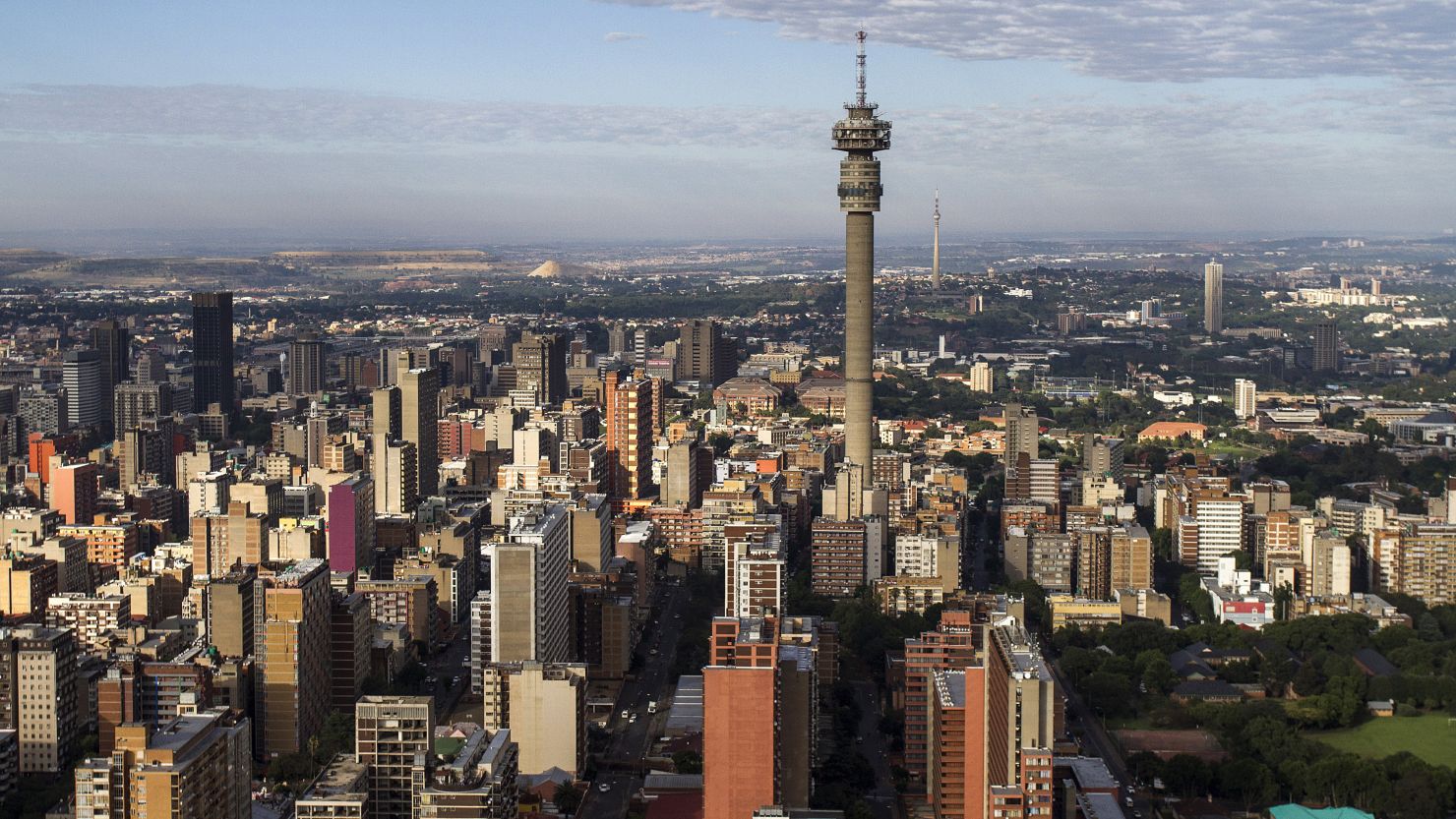
The decision places fresh pressure on Johannesburg, South Africa’s commercial capital, which generates about 15% of the country’s gross domestic product but has struggled with deteriorating finances, rising debt to public utilities and growing concerns over governance.
Treasury data show the affected municipalities recorded R40.14 billion ($2.25 billion) in irregular expenditure during the last financial year alone, prompting the government to invoke constitutional powers to withhold funding after repeated warnings failed to produce meaningful reforms.
DON'T MISS THIS: Africa’s richest city given 14 days to settle over $300 million power utility debt crisis or face court action
The intervention comes at a politically sensitive time. With local elections scheduled for November, the governing African National Congress (ANC) is under mounting pressure over deteriorating municipal services, corruption allegations and weak financial management.
Polling suggests the party could lose control of Johannesburg to the opposition Democratic Alliance, making the Treasury’s move both a fiscal and political test for the country’s largest city.
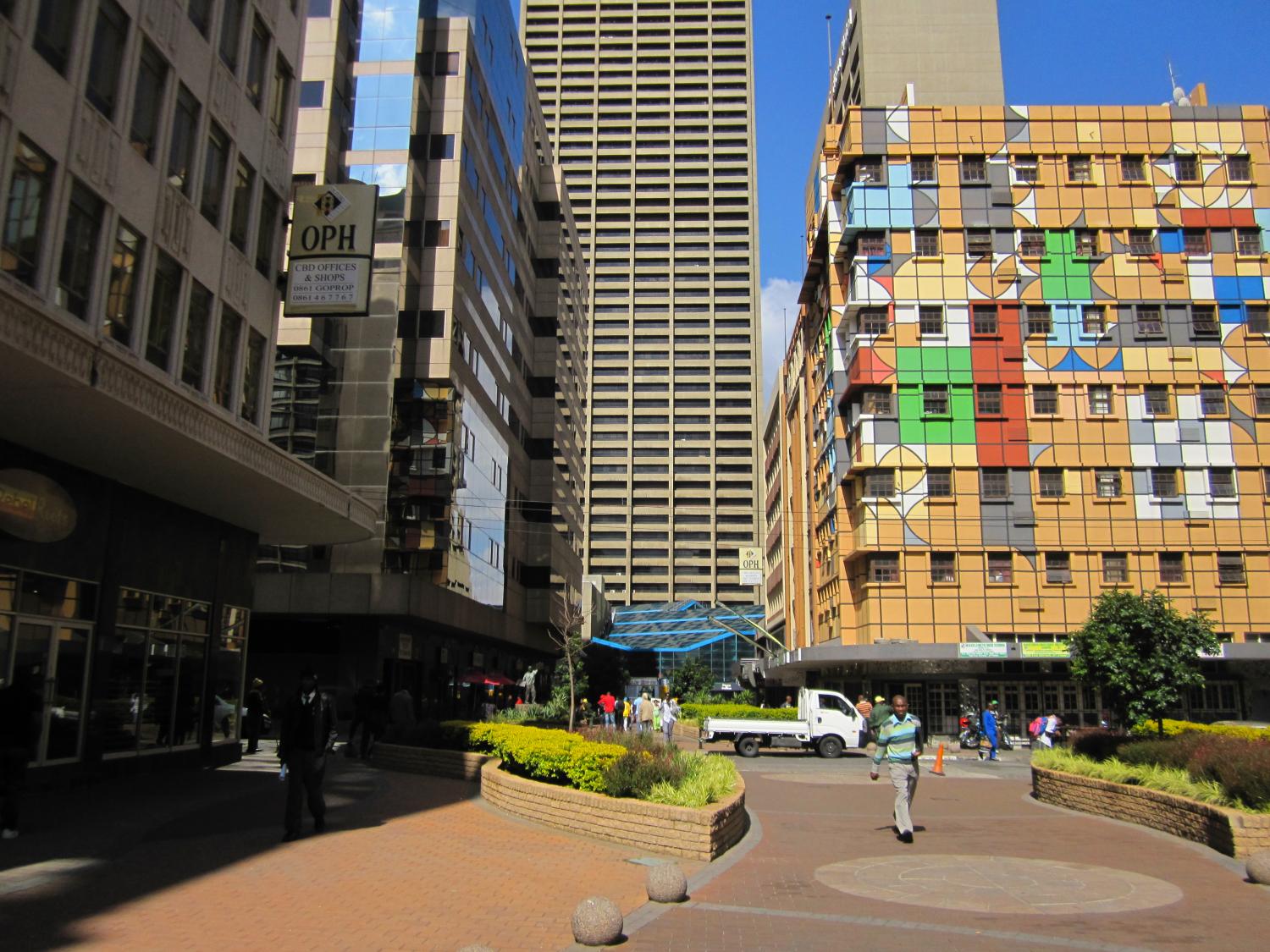
A city under mounting financial pressure
Johannesburg has faced growing financial strain for years.
The city’s finances deteriorated during South Africa’s prolonged electricity crisis and the COVID-19 pandemic, when weaker economic activity reduced revenue from electricity and water sales while unpaid municipal bills climbed sharply.
At the same time, Johannesburg’s own costs for purchasing electricity and bulk water continued to rise.
Although the city’s annual budget has expanded from roughly R45 billion to R80 billion over the past decade, revenue collection has consistently fallen short of projections, leaving it with widening funding gaps and less money to invest in ageing infrastructure.
DON'T MISS THIS: South Africa’s richest city wins Moody’s confidence despite growing debt burden
The financial stress has become increasingly visible. Water and electricity suppliers have threatened service interruptions over unpaid bills, while road maintenance operations were temporarily suspended last week after the city failed to pay for fuel for repair vehicles.
Johannesburg also owes over R5 billion ($304 million) to Eskom and R 3.1 billion (200 million) to Rand Water.
The latest action follows Finance Minister Enoch Godongwana’s earlier warning that the government could withhold funding after Johannesburg approved a wage agreement expected to add R10.3 billion ($576 million) to its salary bill over two years, despite concerns about the city’s fragile finances.
Treasury demands reforms
National Treasury described the funding suspension as a corrective rather than punitive measure, saying municipalities had received years of guidance, formal engagement and written warnings before the decision was taken.
Funding will only be restored after municipalities demonstrate measurable progress, including reducing unauthorised, irregular, fruitless and wasteful expenditure by at least 25% before the end of September, entering payment agreements with creditors and proving that public funds are being used for their intended purposes.
The affected municipalities include Johannesburg, Mangaung, Nelson Mandela Bay, Buffalo City and Mopani, among others.
DON'T MISS THIS: Africa’s richest city given 14 days to settle over $300 million power utility debt crisis or face court action
Improving finances, but governance concerns remain
The Treasury’s intervention comes just days after Moody’s Ratings revised Johannesburg’s outlook to positive, reflecting improvements in the city’s operating finances as South Africa emerged from its prolonged electricity crisis.
However, the ratings agency also cautioned that governance risks remain elevated after delays in submitting audited financial statements exposed the city to the risk of a technical default on some of its bonds.
The contrast highlights Johannesburg’s challenge: while its underlying finances have shown signs of stabilising, persistent governance weaknesses continue to undermine investor confidence and threaten the long-term sustainability of Africa’s economic powerhouse.