Africa’s richest man is now worth more than the economies of 33 African nations
Aliko Dangote’s fortune has climbed to about $36.5 billion, making Africa’s richest man wealthier than the projected annual economic output of 33 African countries.
 Black News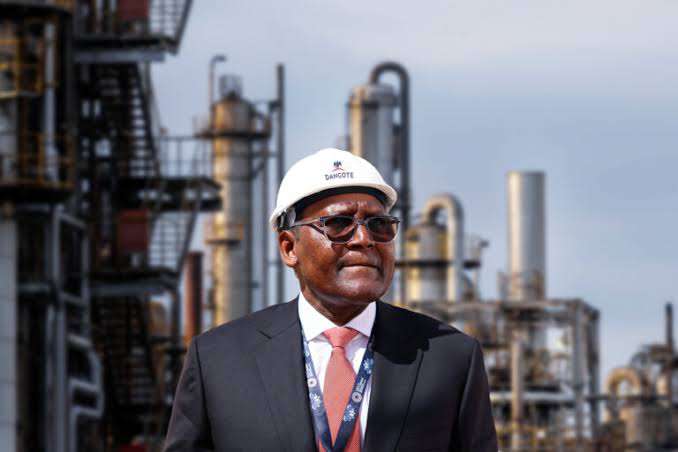

Aliko Dangote’s fortune has climbed to about $36.5 billion, making Africa’s richest man wealthier than the projected annual economic output of 33 African countries.
- Aliko Dangote’s fortune has climbed to $36.5 billion, making him wealthier than the projected economies of 33 African countries.
- His net worth now exceeds the GDP of nations including Mali, Botswana, Gabon, Rwanda and Mauritius.
- The rise has been fueled by the growing value of the Dangote Petroleum Refinery, now valued at about $39.1 billion.
- The comparison underscores the scale of Africa’s largest private industrial empire and its growing economic influence.
The comparison, based on Bloomberg Billionaires Index estimates and IMF 2026 nominal GDP projections, shows the extraordinary scale of wealth created by Africa’s largest privately owned industrial empire.
While GDP measures a country’s annual economic output and net worth measures accumulated personal wealth, the comparison offers a striking illustration of how rapidly Dangote’s business empire has expanded, driven increasingly by the growing value of the Dangote Petroleum Refinery.
According to the IMF’s 2026 projections, Mali’s economy is expected to reach $33.85 billion, placing it just below Dangote’s estimated net worth.
Every IMF-projected African economy below Mali on the table is smaller than the Nigerian billionaire’s fortune.
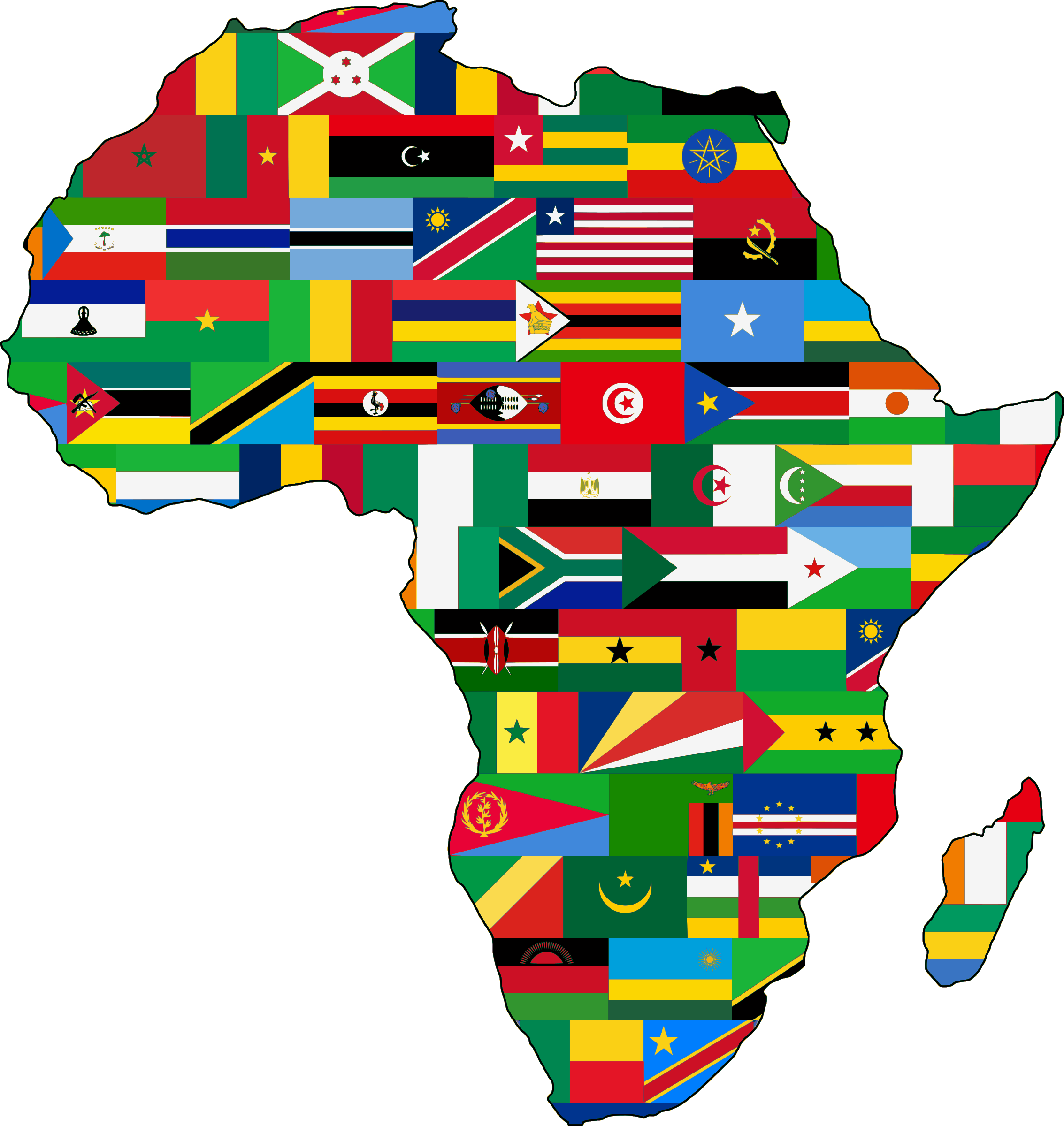
These countries include Mali ($33.85 billion), Burkina Faso ($32.51 billion), Guinea ($29.93 billion), Benin ($27.79 billion), Chad ($25.63 billion), Niger ($24.81 billion), Gabon ($23.36 billion), Mozambique ($23.27 billion), Botswana ($21.94 billion), Madagascar ($21.18 billion).
The list also includes smaller African economies such as Seychelles, Cabo Verde, Comoros, São Tomé and Príncipe, Djibouti, Lesotho, Gambia, Liberia and the Central African Republic.
The scale of the comparison becomes even more apparent when viewed against some of Africa’s better-known economies.
Dangote’s fortune now exceeds the projected GDP of resource-rich countries such as Gabon, Botswana and Niger, while also surpassing the economies of regional players including Mali, Burkina Faso, Benin and Mozambique.
His wealth is also approaching the size of Senegal’s projected $40.47 billion economy and Zambia’s projected $41.24 billion economy, though it remains below both.
The refinery driving the surge
The latest jump in Dangote’s wealth has been closely linked to the rising value of his industrial assets, particularly the Dangote Petroleum Refinery, which has transformed the structure of his business empire.
For decades, Dangote’s wealth was largely built on cement, sugar and other manufacturing businesses. Today, refining is emerging as one of the most valuable pillars of the conglomerate.
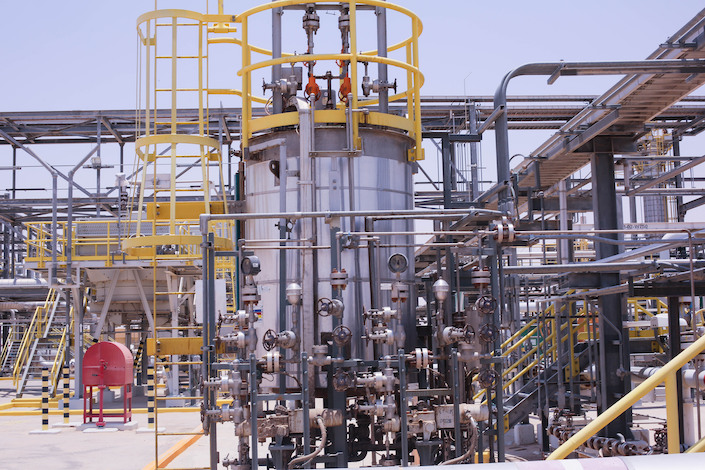
The Lagos-based refinery was built with a nameplate capacity of 650,000 barrels per day, making it Africa’s largest refinery and one of the world’s largest single-train refining facilities.
Earlier this month, the refinery reportedly processed 700,000 barrels of crude oil per day during a performance test, exceeding its official installed capacity and signalling further operational improvements.
The refinery has already begun reshaping fuel trade patterns across Africa by supplying diesel, aviation fuel, naphtha and petrol to domestic and export markets.
Its growing importance is now being reflected in its valuation.
Dangote Petroleum Refinery is seeking to raise about $1 billion through a private placement ahead of a planned stock market listing. The transaction values the refinery at approximately $39.1 billion, making it one of the most valuable privately held industrial assets in Africa.
Investor demand has reportedly exceeded the amount being sought, underlining growing confidence in the facility’s long-term prospects.
Nigeria’s pension regulator has also granted fund managers special approval to participate in the refinery’s planned initial public offering, despite standard investment restrictions that typically apply to companies without a lengthy profitability and dividend history.
More than a billionaire story
The comparison between Dangote’s wealth and the economies of dozens of African countries is about more than personal fortune.
It reflects the growing role of private industrial capital in Africa’s development and the emergence of large-scale projects capable of transforming national and regional economies.
For decades, Nigeria exported crude oil while importing much of its refined fuel. The Dangote refinery is helping to reverse that model, reducing reliance on imports and creating a new source of export revenue.
The project has also strengthened Dangote’s position as one of the most influential business figures on the continent.
His estimated $36.5 billion fortune is equivalent to nearly 10% of Nigeria’s projected 2026 GDP of $377.37 billion and larger than the annual output of more than half of Africa’s economies.
For investors, it demonstrates how large industrial bets in Africa can create enormous value.
For policymakers, it highlights the growing importance of private capital in sectors where governments have struggled to deliver transformational infrastructure.
Dangote’s latest valuation therefore tells two stories at once. The first is about a billionaire whose refinery has helped elevate his fortune to unprecedented levels.
The second is about an African business empire that has grown large enough to rival the economic output of sovereign states.