America shouldn’t have hosted the World Cup
The 2026 FIFA World Cup is here, but should America have hosted it? No.
 Black News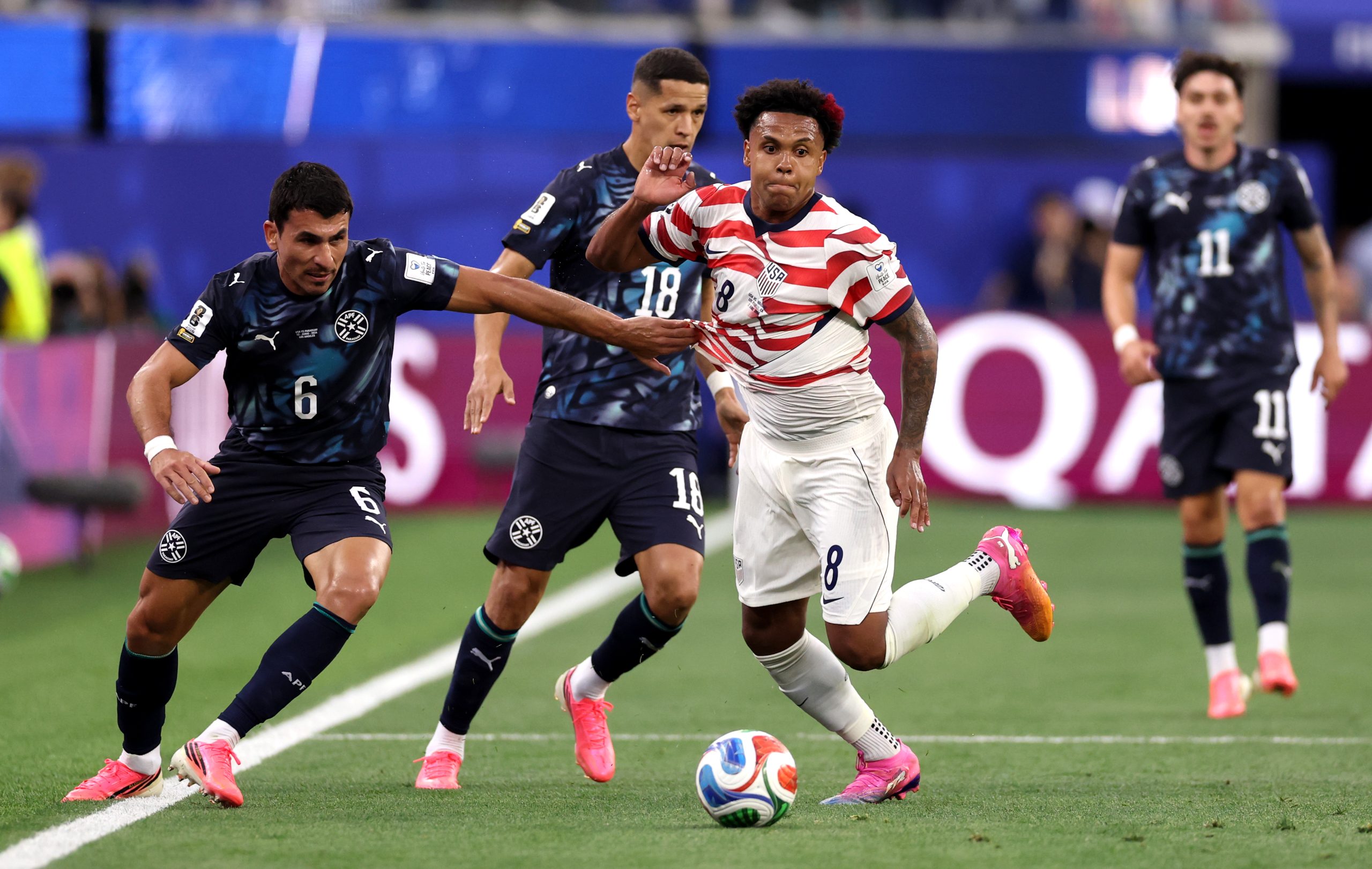

Every four years, people from all over the world gear up to watch the biggest global sporting events.
You feel it. Even people who swear they don’t watch soccer suddenly have the list of teams and match schedules. For one month, the entire world bonds over a single ball, strangers become family, and you find yourself learning things about a country you couldn’t have pointed to on a map the week before. That is the magic of the FIFA World Cup. And now that I’m older, I fully grasp the magnitude of this.
This year, I have been locked in rooting for the underdogs, the Black nations from across the diaspora who showed up to this tournament representing something far bigger than a scoreline. A record 10 African nations qualified for the 2026 World Cup, the largest African contingent in the tournament’s history. Cape Verde made its first-ever appearance. DR Congo returned for the first time since 1974. South Africa opened the entire tournament against co-host Mexico.
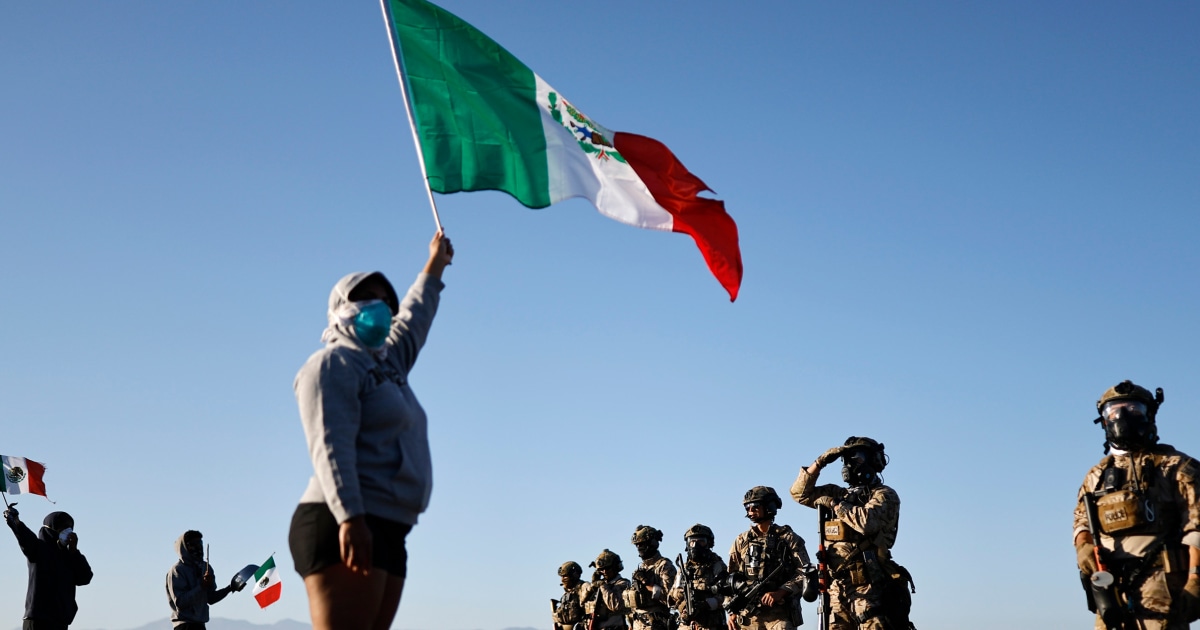
Which is exactly why the host selection stings. The 2026 FIFA World Cup, co-hosted by the United States, Canada, and Mexico, with the U.S. serving as the primary hub for 78 of 104 matches, had the foundation to be historic for all the right reasons. Instead, it has become a case study in what happens when the world’s biggest sporting event lands in a country that has never truly claimed this sport as its own, and whose current political climate was never built to welcome the world in the first place.
Before a single match kicked off, hundreds of fans had their U.S. visas revoked, some reportedly because of social media posts critical of the Trump administration. The U.S. State Department had frozen visa applications from 75 countries as part of a broader immigration review, leaving supporters from several World Cup-qualified nations in limbo.
Even a Somali referee, Omar Artan, who was FIFA-credentialed, was turned away at the border. Senegal’s national team players were stopped, searched, and screened on the tarmac upon arriving in San Antonio. FIFA had promised “the most inclusive World Cup ever.” What it delivered, for too many, was a closed door.
Then there are the tickets. When the U.S. bid was submitted, FIFA projected group stage tickets would range from $21 to $323. Reality has been something else entirely. In Los Angeles, the cheapest available seats for U.S. group matches have averaged more than $1,000.
In Miami, group stage tickets have gone for around $900. Business Insider estimated that a fan following their team across the full tournament could easily spend $30,000. Even President Trump, when shown current resale prices, reportedly said he wouldn’t pay them either. Meanwhile, an April 2026 report from the American Hotel and Lodging Association found that 80% of hotels in the 11 U.S. host cities were running below their projected bookings.
The economic boom FIFA promised has not arrived. The seats are empty too often.
Here in Houston, NRG Stadium is hosting seven matches. To make it FIFA-compliant, crews had to tear out the Texans’ artificial turf and install a temporary natural grass surface, a Kentucky bluegrass and perennial ryegrass blend grown on specialist sod farms, tracked under refrigeration and placed directly over the stadium’s concrete floor.
The same process had to happen at AT&T Stadium in Dallas and at nearly every other U.S. venue. During the 2024 Copa América, a dry run held at many of these same stadiums, players openly complained about dangerous seam lines and uneven joins. Argentina’s Cristian Romero described one pitch as very ugly. U.S. midfielder Weston McKennie said the grass was breaking up every step. FIFA took note. Whether those lessons have fully translated to 2026 remains a question for the players who have to perform on it.
And then there is Houston itself, which is doing its best with what it has been given. The METRORail Red Line connects downtown to the stadium in about 15 minutes. But anyone who has navigated this city knows the rest of the story. The endless freeways, the congestion, the potholes, the humidity that hits you like a wall the moment you step outside. For international visitors accustomed to walkable, transit-rich World Cup cities, the experience has required adjustment.
That’s not to say it’s been completely bad. I chose to take small pockets of this World Cup experience and live in my bubble of happiness until the very end.