Another African country has banned the export of one of its most precious resources
Guinea, much like Zimbabwe did earlier this year, has moved to ban the export of one of its more valuable products, gold.
 Black News

Guinea, much like Zimbabwe did earlier this year, has moved to ban the export of one of its more valuable products, gold.
- Guinea has imposed a ban on the export of unrefined gold, following a similar move by Zimbabwe regarding lithium exports.
- The decision aims to promote local gold refining and requires that all gold be processed into ingots within Guinea before export.
- President General Mamady Doumbouya announced the policy after consultations with gold producers and buyers, stating that exporting raw gold will now be prohibited.
- Any operators violating the ban will face license suspension and termination of their mining contracts.
Specifically, the Western African country opted to ban the export of its unrefined gold in an effort to encourage local gold refining.
President General Mamady Doumbouya officially announced the ban following a meeting with industrial and artisanal gold producers, as well as gold traders active in the West African country.
"Guinea possesses the second largest gold reserves in West Africa, but its gold leaves the country daily in raw form to be processed, certified, and sold elsewhere," Doumbouya stated during the meeting, broadcast by the state-owned Radio Télévision Guinéenne.
"From today, I put an end to this practice: Guinea will require its gold to be processed within its borders. Raw gold will no longer leave Guinea," he added.
As seen on Democrata, Guinea, a major global supplier of bauxite, also possesses substantial gold reserves that are mined by two semi-industrial enterprises, hundreds of artisanal miners, and industrial corporations like Société Aurifère de Guinée, a subsidiary of AngloGold Ashanti.
Together, these businesses exported 22,142 kg of gold in the first quarter of this year, according to data from the Ministry of Mines and Geology.
According to Doumbouya, gold may only be sold overseas once it has been processed into ingots at a newly built facility in the capital, Conakry.
"Guinean gold will be melted, certified, and processed in Guinea before being exported to international markets," he declared.
"Any operator who continues to export raw gold will have their license suspended and their mining contract terminated," he warned.
As mentioned earlier, this move mirrors Zimbabwe’s ban on one of its most lucrative natural resources, lithium.
DON'T MISS THIS: Guinea enters a new era with iron exports from world’s largest untapped deposit
Lithium export ban in Zimbabwe
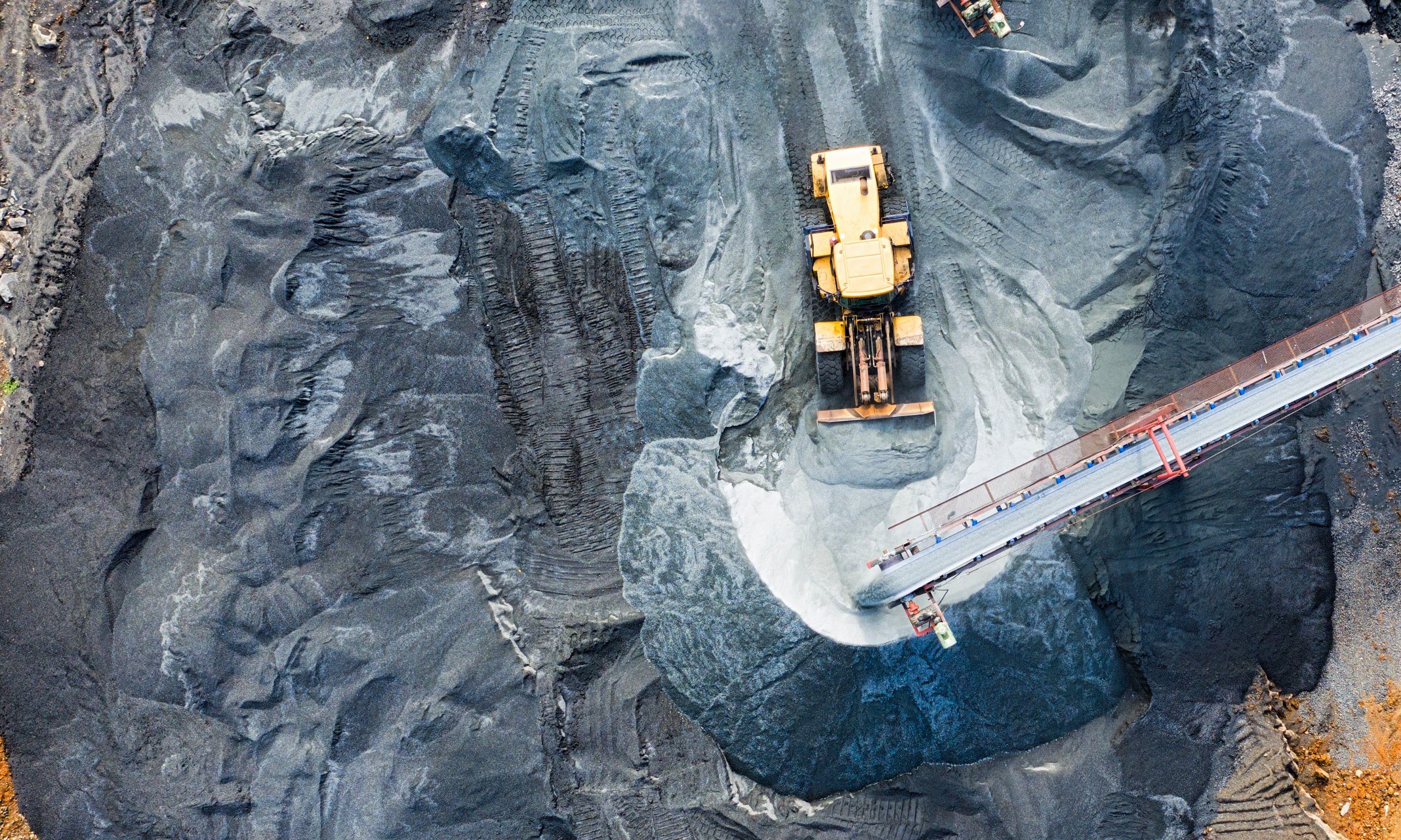
Earlier this year, Zimbabwe announced the immediate and indefinite suspension of the exportation of lithium concentrates.
The Mines Ministry announced that it will realign export procedures due to "continued malpractices during the exportation of minerals" in a statement.
"Government remains committed to ... in-country value addition and beneficiation, compliance, and accountability in the exportation of Zimbabwe's mineral resources,” the statement added.
"This review is part of a broader effort to curb leakages and enhance efficiency within our systems," the ministry wrote.
Basically, Zimbabwe cited government malpractice and leakages as the rationale for the audacious decision to ban the export of lithium concentrates.