British Prime Minister Keir Starmer Resigns Amid Labour Party Elections Losses And Internal Friction
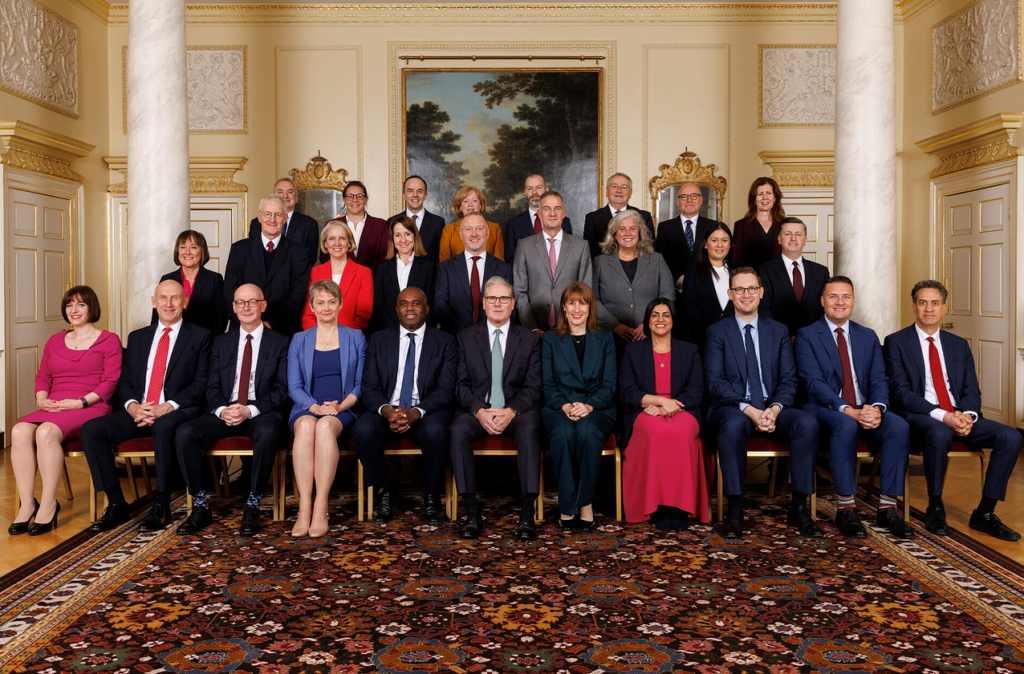
By Shehab Khan|Zeteo Photos: Wikimedia Commons Keir Starmer has announced that he is stepping down as the UK’s prime minister following weeks of mounting pressure over the Labour Party’s direction and electoral performance. In a statement delivered outside Downing Street, Starmer said: “The question my party is asking now is whether I am best placed to lead us into the next general election. I have heard the answer of my parliamentary party to that question and I accept that answer with good grace.” He added: “Every decision I’ve taken has been about putting the country I love first and that is why I will resign as leader of the Labour Party.” His departure means the United Kingdom is set to have its seventh prime minister since the Brexit referendum in 2016. Starmer’s resignation comes after a difficult period for the government, with Labour suffering significant losses in the Scottish, Welsh, and local elections in May, and facing growing concern over the rising popularity of Nigel Farage’s Reform UK and Zack Polanski’s Green Party. Calls for the prime minister to step aside intensified following the election results, which saw Labour lose control to Plaid Cymru in Wales, and lose support across the rest of the country while Reform UK and the Green Party made substantial gains. The aftermath prompted a number of ministerial resignations, including that of Health Secretary Wes Streeting. His departure was particularly significant given his status as one of Labour’s most prominent figures and a potential leadership contender, further raising questions about Starmer’s authority within the party. The politician widely seen as the leading contender, Andy Burnham, had until recently been unable to challenge for the Labour leadership because he was not a member of parliament. That changed when Josh Simons resigned as MP for Makerfield, triggering a by-election that gave Burnham a route back to Westminster. The contest quickly became one of the most closely watched by-elections in recent years. Reform UK heavily targeted the seat following its strong local election performance in the area, leading some Labour figures to fear the party could suffer a damaging defeat. Instead, Burnham secured a comfortable victory, and his team has made it clear that they now intend to challenge for the Labour leadership. In the days that followed, reports emerged that senior cabinet ministers had privately informed Starmer that he no longer commanded sufficient support within the cabinet or the party to continue as prime minister. More than 100 Labour MPs had publicly called for him to resign before his announcement. Starmer spent the weekend mulling over the decision at Chequers, the prime minister’s official country retreat, with his wife and family, before making the announcement today. His resignation marks a dramatic reversal in fortunes for a politician who, less than two years ago, led Labour to one of the largest election victories in modern British political history. Labour won 411 seats at the 2024 general election, giving Starmer a Commons majority of 174. In the post-war era, only Tony Blair’s landslide victory in 1997 produced a larger majority for a governing party. But it was a landslide built on relatively weak public support. The Labour Party won fewer votes than it did under Jeremy Corbyn in 2019, while turnout fell to its lowest level at a general election since 2001. Labour’s victory was aided by a sharp collapse in Conservative support and a fragmentation of opposition votes between Reform UK, the Liberal Democrats, and the Greens. Since entering Downing Street, Starmer’s government has made a series of political errors. His own MPs rebelled over plans to reform disability benefits, and there have been major U-turns on winter fuel payments and the two-child benefit cap. The appointment of Peter Mandelson as ambassador to the United States put Starmer’s decision-making under significant scrutiny after Mandelson resigned following fresh revelations about his past association with the convicted sex offender Jeffrey Epstein. Labour will now begin the process of selecting a new leader. Burnham is expected to be among the leading contenders following his return to Westminster, although it remains unclear whether other figures will enter the contest. If no rival candidates emerge, Burnham could become Labour leader unopposed. However, any challenge from another candidate would trigger a formal leadership contest. The timetable for the contest is expected to be announced in the coming days. Until a successor is chosen, Starmer is expected to remain in office.
 Black News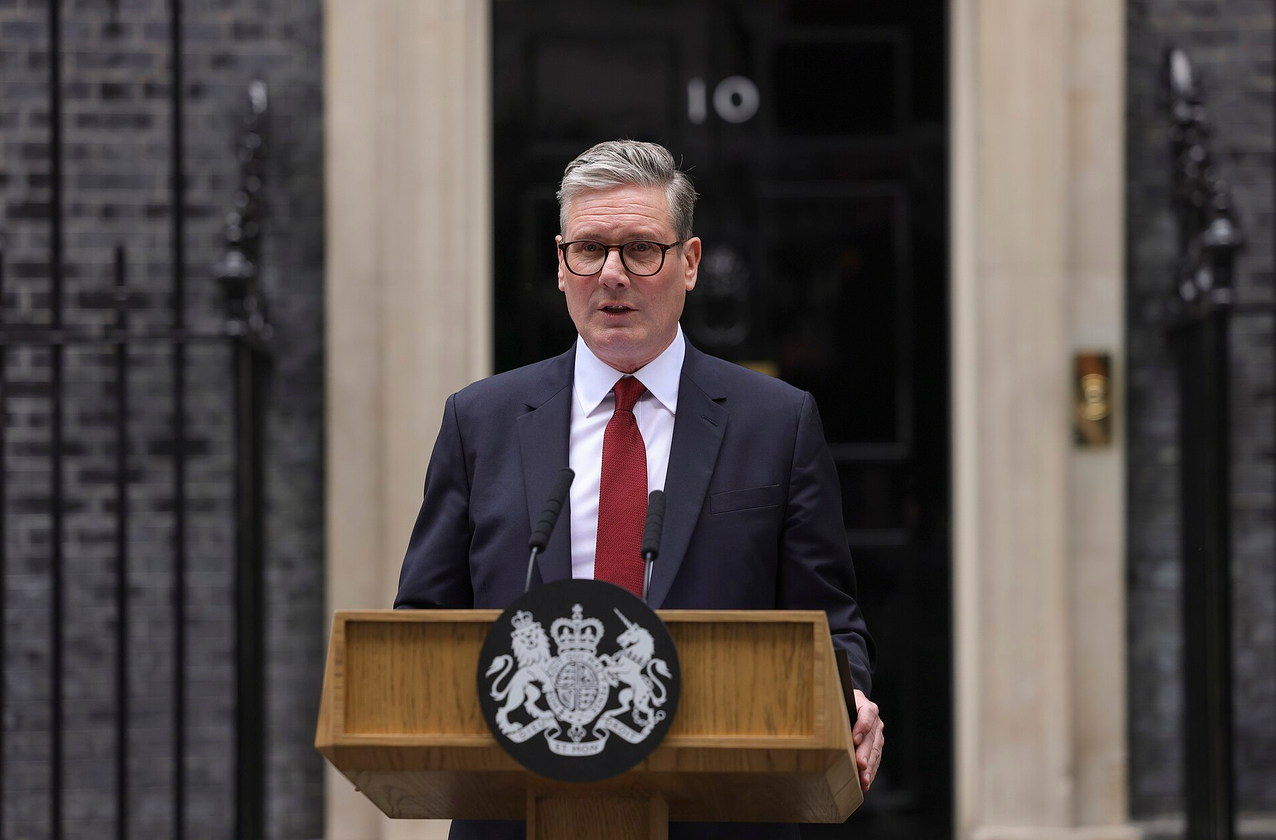
By Shehab Khan|Zeteo
Photos: Wikimedia Commons
Keir Starmer has announced that he is stepping down as the UK’s prime minister following weeks of mounting pressure over the Labour Party’s direction and electoral performance.
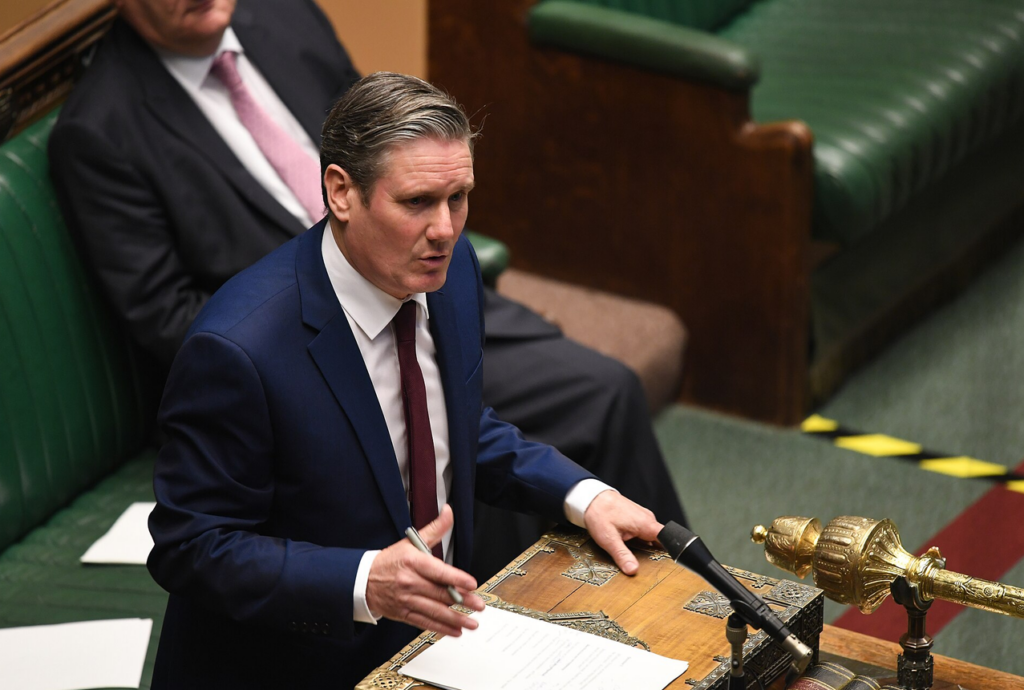
In a statement delivered outside Downing Street, Starmer said: “The question my party is asking now is whether I am best placed to lead us into the next general election. I have heard the answer of my parliamentary party to that question and I accept that answer with good grace.”
He added: “Every decision I’ve taken has been about putting the country I love first and that is why I will resign as leader of the Labour Party.”
His departure means the United Kingdom is set to have its seventh prime minister since the Brexit referendum in 2016.
Starmer’s resignation comes after a difficult period for the government, with Labour suffering significant losses in the Scottish, Welsh, and local elections in May, and facing growing concern over the rising popularity of Nigel Farage’s Reform UK and Zack Polanski’s Green Party.
Calls for the prime minister to step aside intensified following the election results, which saw Labour lose control to Plaid Cymru in Wales, and lose support across the rest of the country while Reform UK and the Green Party made substantial gains.
The aftermath prompted a number of ministerial resignations, including that of Health Secretary Wes Streeting. His departure was particularly significant given his status as one of Labour’s most prominent figures and a potential leadership contender, further raising questions about Starmer’s authority within the party.
The politician widely seen as the leading contender, Andy Burnham, had until recently been unable to challenge for the Labour leadership because he was not a member of parliament.
That changed when Josh Simons resigned as MP for Makerfield, triggering a by-election that gave Burnham a route back to Westminster.
The contest quickly became one of the most closely watched by-elections in recent years. Reform UK heavily targeted the seat following its strong local election performance in the area, leading some Labour figures to fear the party could suffer a damaging defeat.
Instead, Burnham secured a comfortable victory, and his team has made it clear that they now intend to challenge for the Labour leadership.
In the days that followed, reports emerged that senior cabinet ministers had privately informed Starmer that he no longer commanded sufficient support within the cabinet or the party to continue as prime minister. More than 100 Labour MPs had publicly called for him to resign before his announcement.
Starmer spent the weekend mulling over the decision at Chequers, the prime minister’s official country retreat, with his wife and family, before making the announcement today.
His resignation marks a dramatic reversal in fortunes for a politician who, less than two years ago, led Labour to one of the largest election victories in modern British political history.
Labour won 411 seats at the 2024 general election, giving Starmer a Commons majority of 174. In the post-war era, only Tony Blair’s landslide victory in 1997 produced a larger majority for a governing party.
But it was a landslide built on relatively weak public support. The Labour Party won fewer votes than it did under Jeremy Corbyn in 2019, while turnout fell to its lowest level at a general election since 2001. Labour’s victory was aided by a sharp collapse in Conservative support and a fragmentation of opposition votes between Reform UK, the Liberal Democrats, and the Greens.
Since entering Downing Street, Starmer’s government has made a series of political errors. His own MPs rebelled over plans to reform disability benefits, and there have been major U-turns on winter fuel payments and the two-child benefit cap.
The appointment of Peter Mandelson as ambassador to the United States put Starmer’s decision-making under significant scrutiny after Mandelson resigned following fresh revelations about his past association with the convicted sex offender Jeffrey Epstein.
Labour will now begin the process of selecting a new leader. Burnham is expected to be among the leading contenders following his return to Westminster, although it remains unclear whether other figures will enter the contest.
If no rival candidates emerge, Burnham could become Labour leader unopposed. However, any challenge from another candidate would trigger a formal leadership contest.
The timetable for the contest is expected to be announced in the coming days. Until a successor is chosen, Starmer is expected to remain in office.