Budget shows fiscal caution ahead of oil decision
The 2026/27 budget reflects the finance minister’s fiscal discipline as Namibia waits for a final investment decision on oil and gas. This is according to economist Robin Sherbourne. Sherbourne presented a briefing paper on the national budget at the Institute for Public Policy Research in Windhoek on 13 March to civil society, policymakers and the […] The post Budget shows fiscal caution ahead of oil decision appeared first on The Namibian.
 Black News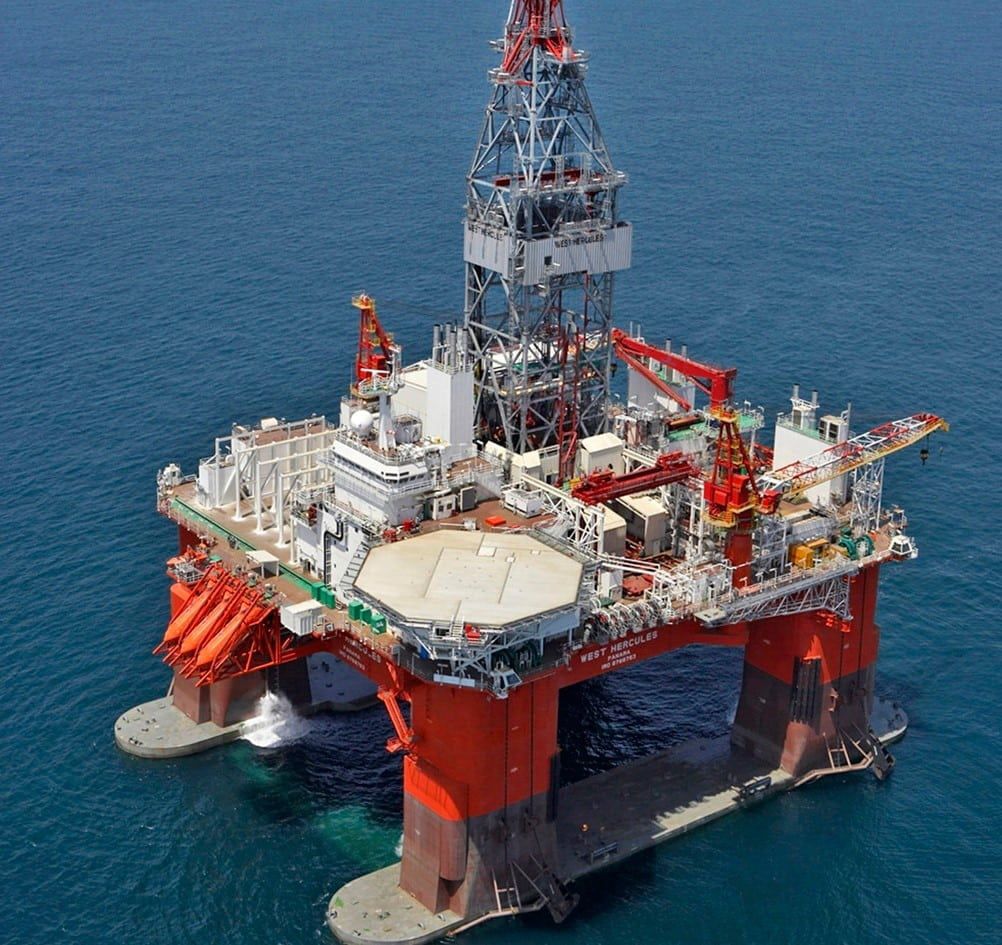
The 2026/27 budget reflects the finance minister’s fiscal discipline as Namibia waits for a final investment decision on oil and gas.
This is according to economist Robin Sherbourne.
Sherbourne presented a briefing paper on the national budget at the Institute for Public Policy Research in Windhoek on 13 March to civil society, policymakers and the media.
He said finance minister Ericah Shafudah was balancing fiscal discipline with meeting expensive policy priorities announced by the president. However, he warned that the potential final investment decision (FID) on TotalEnergies’ Venus project – expected mid-2026 – will have an impact on Namibia’s economy even before the government earns revenue from oil.
“Her [Shafudah’s] most important task as she saw it was to keep the fiscal ship afloat until an FID is taken in oil and gas,” he said.
If oil companies decide to invest in their Namibian projects, it will transform the creditworthiness of the Namibian economy, Sherbourne said, adding that this would allow the government to borrow more money from the market before the revenues from oil come in.
He warned that Namibia’s debt has soared in the past decade while economic growth has slowed.
In her budget speech, Shafudah said she aims to stabilise public debt and bring it back down to the 60% that the Southern African Development Community advises its members to keep to.
PRODUCTIVITY
The theme of this year’s budget is ‘People, Productivity and Prudence’.
When the minister presented the budget, several analysts pointed out that the budget has cut down development spending.
Former finance minister Calle Schlettwein told The Namibian at the end of February that the N$6 million allocated to development spending is far too low to stimulate growth.
Sherbourne’s analysis is that with a constrained economic outlook for Namibia, this budget represents a good holding operation.
Nevertheless, growth cannot come from the budget’s operational spending, he said.
“There’s people, there’s prudence, but I’m not sure how much productivity there is,” Sherbourne said.
He stated that the minister’s speech suggested the finance ministry was introducing minimum project-readiness requirements for projects before they are allowed to enter the development budget.
According to him, the cut in development spending could represent the minister cracking down on poorly thought-out projects and refocusing on a few high-quality capital projects that can stimulate growth.
Meanwhile, Republican Party parliamentarian Mathias Mbundu described the N$104-billion budget as centred on activities rather than transformation.
During his contribution to the budget last Tuesday, Mbundu said bigger budgets do not automatically improve lives.
“Before we spend new billions, we must ask: Did the 2025/26 budget make a real difference?” Mbundu asked.
Mbundu said that despite approved youth loans, hectares planted, and teachers recruited, the question remains whether these efforts have led to measurable improvements in housing shortages, youth unemployment, food security, and education quality.
Swapo parliamentarian Fenni Nanyeni proposed that the government leverage the finance ministry’s existing ‘diversified investment strategy’ for economic transformation by introducing innovative strategies – the first of their kind in Southern Africa.
She said this would generate significant revenue, help address the adverse debt-to-gross domestic product ratio, and include a ‘stimulus package’ for the small and medium enterprise sector.
The post Budget shows fiscal caution ahead of oil decision appeared first on The Namibian.