Damage control over prevention: International health system 'closing gaps instead pushing forward'
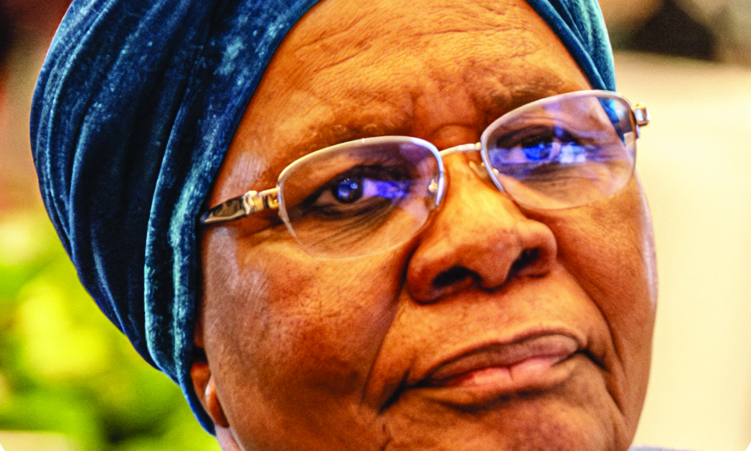
François Picard is pleased to welcome Anne Moore, Professor of Biochemistry at University College Cork. She is warning about the seriousness of the latest Ebola outbreak linked to the rare Bundibugyo strain. While vaccines exist for the Zaire strain, “we don’t yet have proof that they work against the current strain.” She also highlighted diagnostic challenges, as early tests were designed to detect Zaire Ebola, not Bundibugyo. Moore stressed that shrinking international funding is weakening the global response: “we’re plugging gaps instead of deploying the full countermeasures we could.” Moore broadens her analysis beyond virology, arguing for international solidarity and institutional resilience. She defended the essential role of the WHO, warning that “viruses aren’t watching the news,” and argued that only a fast, coordinated international response can prevent another major health crisis. Moore repeatedly broadens the frame beyond virology. Her analysis becomes an argument for international solidarity and institutional resilience. “Viruses aren’t watching the news,” she remarks with striking simplicity, underscoring the relentless reality that outbreaks continue regardless of political distraction or donor fatigue. She compares epidemic preparedness to maintaining a fire station: “You pay for the fire station, but you only need it every now and then. But when you need it, you really need to make sure that those fire trucks can go out and quench the fire.” This illustratzes her broader argument: global health systems cannot be improvised in moments of panic. They must be funded, staffed, and trusted before catastrophe arrives.
 Black News
François Picard is pleased to welcome Anne Moore, Professor of Biochemistry at University College Cork. She is warning about the seriousness of the latest Ebola outbreak linked to the rare Bundibugyo strain. While vaccines exist for the Zaire strain, “we don’t yet have proof that they work against the current strain.” She also highlighted diagnostic challenges, as early tests were designed to detect Zaire Ebola, not Bundibugyo. Moore stressed that shrinking international funding is weakening the global response: “we’re plugging gaps instead of deploying the full countermeasures we could.” Moore broadens her analysis beyond virology, arguing for international solidarity and institutional resilience. She defended the essential role of the WHO, warning that “viruses aren’t watching the news,” and argued that only a fast, coordinated international response can prevent another major health crisis. Moore repeatedly broadens the frame beyond virology. Her analysis becomes an argument for international solidarity and institutional resilience. “Viruses aren’t watching the news,” she remarks with striking simplicity, underscoring the relentless reality that outbreaks continue regardless of political distraction or donor fatigue. She compares epidemic preparedness to maintaining a fire station: “You pay for the fire station, but you only need it every now and then. But when you need it, you really need to make sure that those fire trucks can go out and quench the fire.” This illustratzes her broader argument: global health systems cannot be improvised in moments of panic. They must be funded, staffed, and trusted before catastrophe arrives.