DR Congo, South Sudan and Uganda banned from attending World Cup 2026 Tournament in the U.S
Just as the FIFA World Cup 2026 opens in the United States, Canada, and Mexico, the three host nations recently moved together to restrict entry from central and East African countries at the center of the Ebola outbreak.
 Black News


The Democratic Republic of Congo and Uganda have been banned from attending World Cup 2026 tournament hosted in Canada, Mexico and the United States.
Just as the FIFA World Cup 2026 events open up in the United States, Canada, and Mexico, the three host nations recently moved together to restrict entry from central and East African countries at the center of the Ebola outbreak.
They issued a joint statement that framed the measures as essential to the safety of the billions expected to attend the tournament.
The statement, released simultaneously by the U.S. State Department, Global Affairs Canada, and Mexico’s Foreign Ministry, did not specify the full range of measures each country is implementing. But the details already announced by each government in the preceding days complete the picture.
Canada has gone furthest.
Effective Wednesday, May 28, Canada has banned entry for residents of the Democratic Republic of Congo, Uganda, and South Sudan for 90 days.
Canadian citizens and permanent residents who have recently visited those countries and are asymptomatic must undergo a mandatory 21-day quarantine beginning Saturday, May 30.
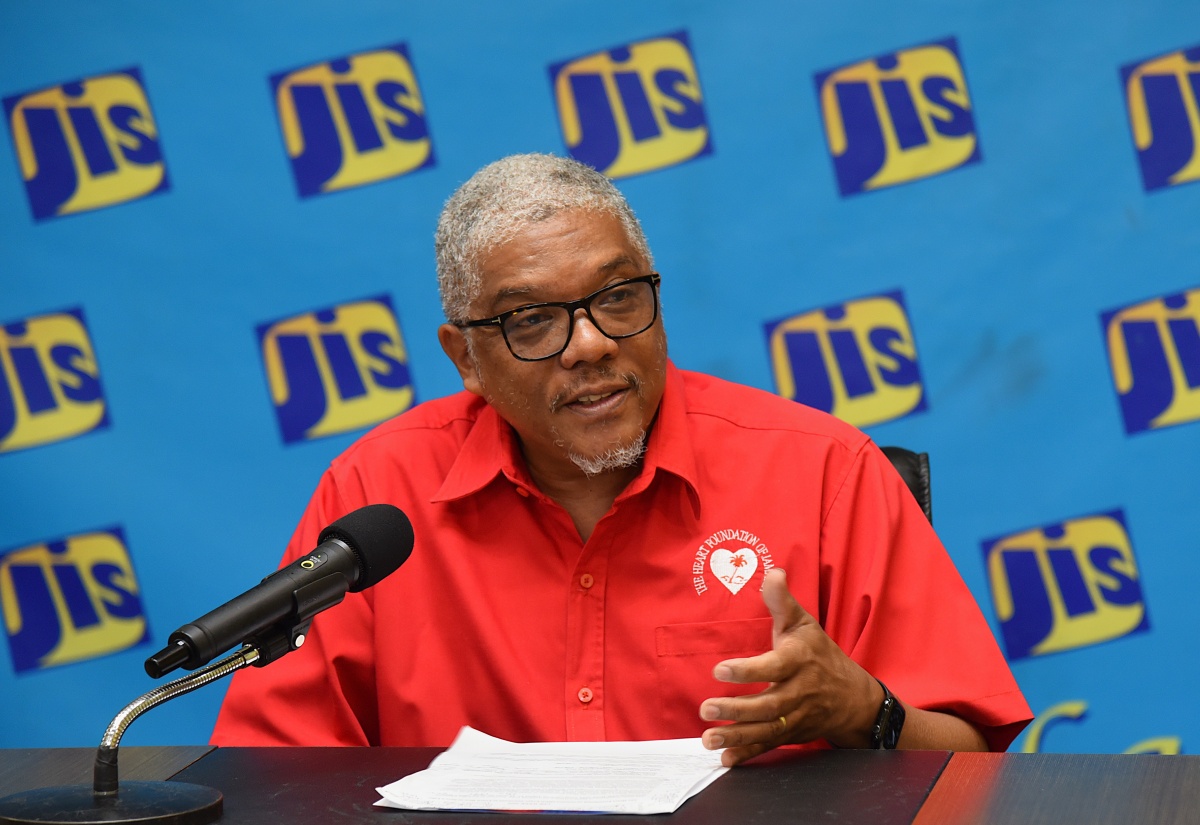
Health Minister Marjorie Michel was explicit about the motivation, saying the decision was made “in alignment with the U.S. and Mexico as all three countries begin hosting 2026 FIFA World Cup games.” Immigration authorities have also suspended visa applications from those three countries.
Mexico announced tighter Ebola screening protocols at airports and asked arrivals from the DR Congo to observe a voluntary 21-day quarantine.
Citizens were urged not to travel to the DRC.
The United States, which had already banned non-citizens who had visited the DR Congo, Uganda, or South Sudan in the past 21 days from entering the country last week, extended that ban on Friday.
It directs returnees from the region to four designated airports: Atlanta, Houston, Washington Dulles, and John F. Kennedy in New York, where health screenings are conducted before onward travel.
The WHO, which declared the Ebola outbreak in the DRC a public health emergency of international concern on May 17, has repeatedly warned against blanket travel restrictions.
The restrictions “are fueled by fear and not rooted in science,” the agency said in response to the North American measures. WHO guidance consistently holds that broad travel and entry bans do not prevent outbreaks from spreading internationally and, in fact, make them worse by driving cases underground, discouraging reporting, and disrupting the movement of health workers and supplies that responses depend on.
Health policy analysts have highlighted a specific tension in the use of World Cup framing.
The outbreak is centered in Ituri Province in eastern DRC, which is not a typical source of football tourism to North America.
The populations most affected, including internally displaced people in Bunia’s camps, artisanal miners in Mongbwalu, and communities in conflict-affected zones, are not among those buying tickets to matches in Los Angeles, Toronto, or Mexico City. Critics argue that the restrictions therefore penalize a population with no connection to the World Cup, while offering limited actual protection.
For the DRC specifically, the travel restrictions add an international stigma to an already catastrophic domestic situation.
The outbreak, caused by the Bundibugyo strain of Ebola, for which no vaccine exists, had by May 27 produced more than 1,205 suspected and confirmed cases across 15 health zones, with at least 264 deaths.
The conflict in North and South Kivu, already displacing 7 million people, is making the response nearly impossible. And now the country’s citizens face entry bans in the three largest economies in the Americas.
The joint statement’s closing line, “The health and safety of every person in the region remains our highest priority,” sits uneasily alongside a policy architecture that bars the people most affected by the outbreak from entering the countries hosting the world’s most-watched sporting event.
The World Cup opens on June 11. The Ebola outbreak has been accelerating for two weeks.
The gap between what the joint statement says and what the outbreak requires has never been wider