Experts warn against foreign technology reliance
Digital experts and technologists have urged developing nations, including Namibia, to urgently strengthen their own digital infrastructure and reduce their dependency on foreign technology. The warning is outlined in a new book titled ‘Digital Social Work Across Africa and Asia’, co-authored by Siddhartha Tiwari, Adi Fahrudin and Fentiny Nugroho and focusing on the African landscape. […] The post Experts warn against foreign technology reliance appeared first on The Namibian.
 Black News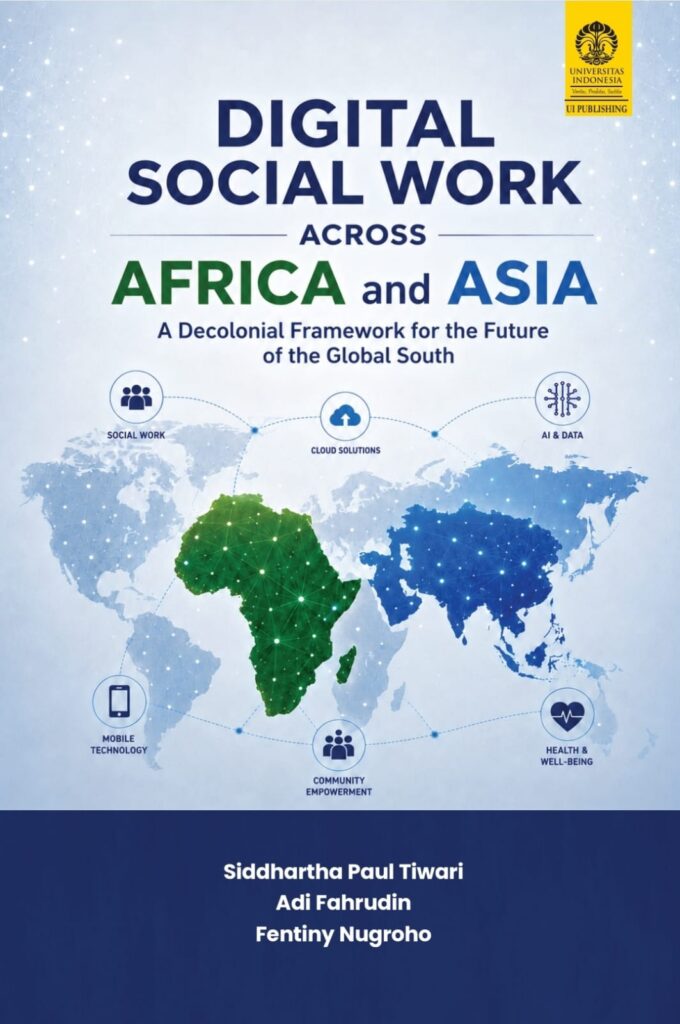
Digital experts and technologists have urged developing nations, including Namibia, to urgently strengthen their own digital infrastructure and reduce their dependency on foreign technology.
The warning is outlined in a new book titled ‘Digital Social Work Across Africa and Asia’, co-authored by Siddhartha Tiwari, Adi Fahrudin and Fentiny Nugroho and focusing on the African landscape.
The book which covers scenarios and experiences from Africa shows that many African countries face similar challenges as they modernise social services.
In an interview with The Namibian this week, professor Adi Fahrudin said technology should reflect local realities.
“While digital systems bring many benefits, they can also leave the most vulnerable people behind if they are not designed carefully, but what happens when technology does not work for everyone?
“The struggle to decolonise social work is a shared one and we cannot simply import Western software and technology. They often do not reflect our communities or our informal economies,” he said.
According to Fahrudin, who has spent many years studying social work in Africa and globally, technology should support communities, not force communities to change.
“Technology must fit the African community, the community should not have to fit the technology,” he said.
THE REVIEW
One example discussed in the book is what the authors call the “shared screen” problem. Many digital services assume that every person has their own private smartphone. In many African households, one phone may be shared by several family members.
If a social worker sends a message about HIV-AIDS treatment, domestic violence or financial assistance, someone else may see it. That could place a vulnerable person at greater risk. The book also discusses “analogue poverty”.
The book raises important concerns and offers useful examples from the field. It also challenges policymakers to think more carefully before moving essential public services entirely online.
At the same time, some parts of the book are difficult to read. The language is often highly academic, and concepts such as “data colonialism” are not always explained in simple terms.
Some of the proposed solutions also deserve further discussion. The authors encourage developing countries to strengthen their own digital infrastructure and reduce dependence on foreign technology.
While this is an important long-term goal, the book gives less attention to the financial and practical challenges many countries face, especially where basic infrastructure and public services remain under pressure.
The post Experts warn against foreign technology reliance appeared first on The Namibian.