Global oil market takes fresh hit as UAE exits OPEC, raising pressure on African producers
Global oil markets may be heading into renewed turbulence after the OPEC exit announcement by the United Arab Emirates, a move that comes amid fragile supply conditions and weakening demand.
 Black News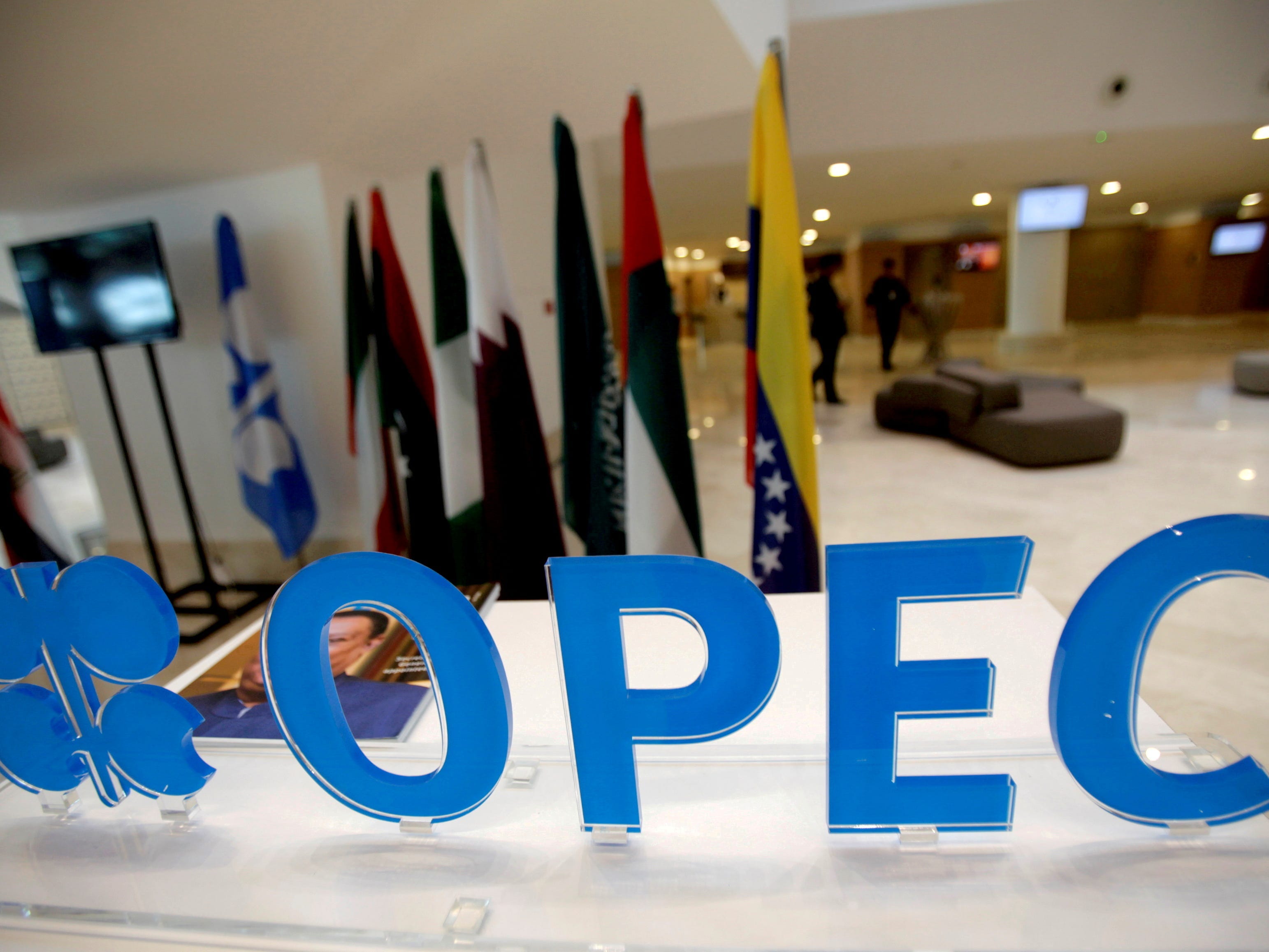
Global oil markets may be heading into renewed turbulence after the OPEC exit announcement by the United Arab Emirates, a move that comes amid fragile supply conditions and weakening demand.
- The UAE announced it will leave OPEC effective May 1, 2026, citing a need for more production flexibility and alignment with its energy strategy.
- This decision adds uncertainty to global oil markets amid ongoing volatility in the Strait of Hormuz and fragile supply conditions.
- The move weakens OPEC+'s ability to coordinate output, as non-OPEC producers are increasing supply.
- African oil-dependent economies like Nigeria, Angola, Algeria, and Libya are particularly vulnerable to increased price volatility and competition.
Abu Dhabi said on April 28, 2026, it would leave OPEC effective May 1, citing the need for greater flexibility to align production with market conditions and its long-term energy strategy.
The timing is significant. Shipping through the Strait of Hormuz, a route handling roughly a fifth of global oil and LNG flows remains volatile amid geopolitical tensions, adding another layer of uncertainty to global supply.
According to a statement from the UAE Ministry of Energy and Infrastructure, near-term volatility including disruptions in the Arabian Gulf and the Strait of Hormuz, continues to affect supply dynamics, although underlying trends still point to sustained growth in global energy demand over the medium to long term.
"A stable global energy system depends on flexible, reliable, and affordable supply. The UAE has invested to meet evolving demand efficiently and responsibly, prioritizing stability, affordability, and sustainability." the statement added.
The exit adds pressure to an already strained market. OPEC+, led by Saudi Arabia, has been cutting output since mid-2023 to support prices, but gains have been limited, with Brent crude still well below previous highs.
A deeper structural issue is weak demand. Global oil consumption growth slowed to about 0.65 million barrels per day in 2025 and is expected to stay below 1 million bpd in 2026, weighed down by softer demand from China and broader economic headwinds.
At the same time, supply is rising. Global output is projected to increase by roughly 2.4 million bpd, driven largely by non-OPEC producers such as the United States, Brazil, and Guyana, gradually eroding OPEC+’s influence over prices.
Pressure shifts to Africa’s oil-dependent economies
For African producers such as Nigeria, Angola, Algeria, and Libya, the implications are increasingly severe.
These economies remain heavily dependent on oil revenues, with hydrocarbons accounting for a significant share of export earnings and fiscal revenue.
In Nigeria for instance, oil still contributes a major portion of foreign exchange inflows, while Angola relies on crude for the bulk of its export earnings. Algeria and Libya face similar structural dependence, leaving them highly exposed to global price swings.
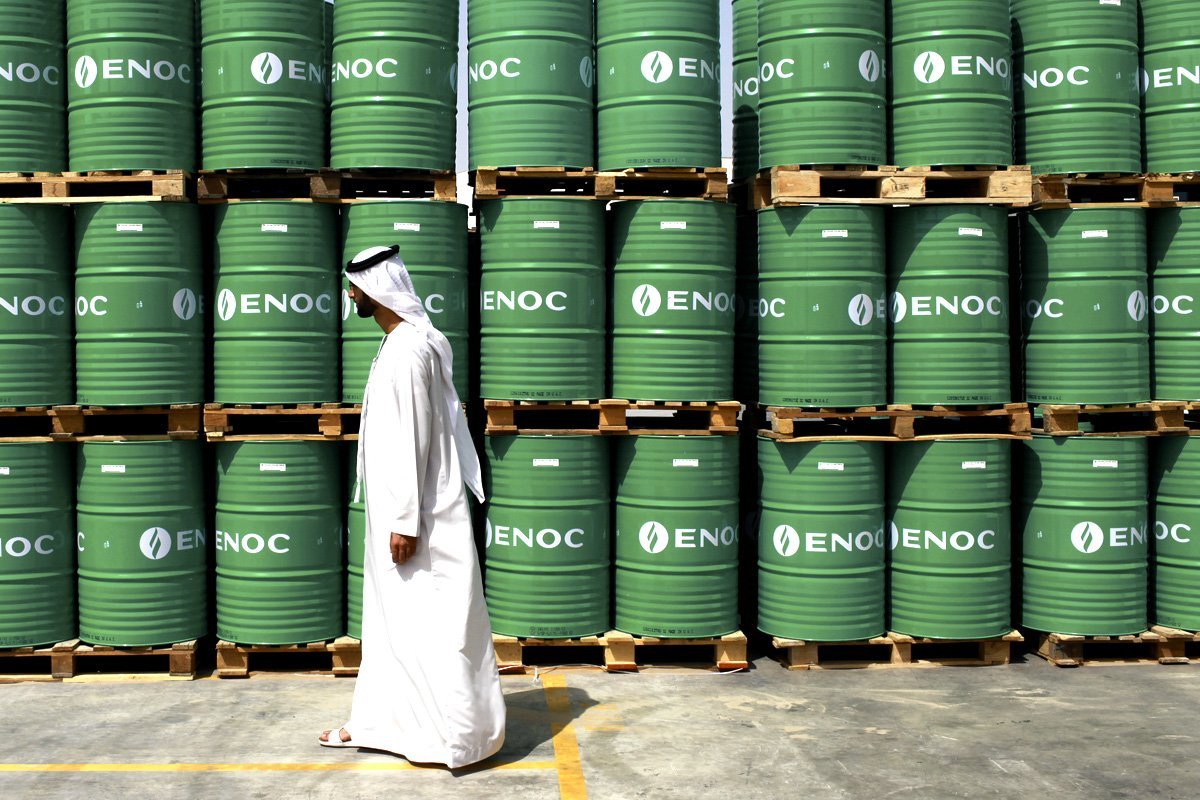
The UAE’s exit adds a new layer of uncertainty. As a low-cost, high-capacity producer, its departure weakens coordinated supply management and increases the likelihood of more aggressive production competition.
Geopolitical risk analyst, Isa Yusibov puts it this way "The UAE's exit ushers in a market share war. As the UAE gradually brings their extra 1.5 million bpd to market, other producers (Iraq, Kuwait, etc.) will feel enormous pressure to violate their own quotas to maintain revenues. This will likely lead to a structural decline in the oil price in the long term."
This comes at a time when African producers already face structural disadvantages, including higher production costs, aging infrastructure, and limited investment in upstream capacity.
With OPEC+ losing cohesion and non-member output rising, African exporters are increasingly exposed to a market defined by price volatility rather than coordinated stability.
Analysts warn this could translate into tighter fiscal conditions, reduced government spending space, and heightened currency pressure across several oil-dependent economies.
In effect, the global oil market is shifting from a managed supply system toward a more fragmented and competitive structure, one in which African producers may face greater risk without the stabilising cushion OPEC once provided.