GPU says press freedom gains at risk despite progress
“The Gambia could do better, if we are able to overcome the current press freedom challenges that are affecting our performances among our peers,” Keita told officials, diplomats, and civil society. Keita cited May 2025 arrests of journalists Sheriff Conteh and Alieu Ceesay during a Banjul protest over ex-president Jammeh’s assets. Photojournalist Matarr Jassey was “rough handled” by police at the same event. Since November 2024, The Alkamba Times reporter Kebba Ansu Manneh has faced a defamation suit from Environment Minister Rohey John Manjang. On 11 March, Jollof News editor Momodou Justice Darboe was assaulted by police at Banjul Magistrates’ Court for photographing two accused persons. He was detained six hours, charged with “common assault,” later changed to “common nuisance.” The case was adjourned indefinitely on 20 April. In February, the Central Bank tried to bar Askanwi Media editor Yusef Taylor from covering its Monetary Policy Committee. In April, NAWEC excluded Voice Out Digital from an event after it reported illegal connections. “These two cases highlight a certain degree of intolerance to critical media reporting among public institutions,” Keita said. While media law reform stalls, Keita flagged the Cybercrime Bill 2023 and Communication Bill 2025 for restricting online expression and punishing investigative journalism. She condemned proposals giving PURA power to register, suspend, or revoke journalist accreditation and licence online outlets. “These new measures contradict international standards,” she said, urging Government to abandon state licensing and back the Media Council of The Gambia. Keita also cited selective government ads, no subvention for private media, and poor Access to Information Act implementation as “economic” threats. This year’s local theme is “Honouring Our Legends, Defending Our Freedom.” Keita said Gambia’s media was shaped by “repression, resistance, and renewal,” and press freedom remains “a critical force in shaping peaceful societies.” She called on Government to implement TRRC media recommendations and the UN Plan of Action on journalist safety.
 Black News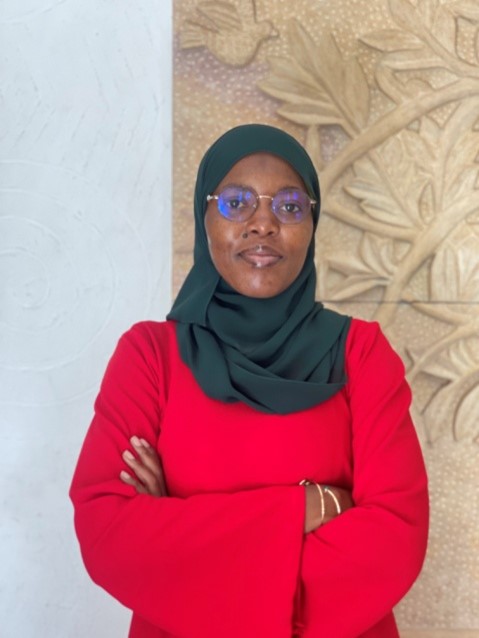
“The Gambia could do better, if we are able to overcome the current press freedom challenges that are affecting our performances among our peers,” Keita told officials, diplomats, and civil society.
Keita cited May 2025 arrests of journalists Sheriff Conteh and Alieu Ceesay during a Banjul protest over ex-president Jammeh’s assets. Photojournalist Matarr Jassey was “rough handled” by police at the same event.
Since November 2024, The Alkamba Times reporter Kebba Ansu Manneh has faced a defamation suit from Environment Minister Rohey John Manjang.
On 11 March, Jollof News editor Momodou Justice Darboe was assaulted by police at Banjul Magistrates’ Court for photographing two accused persons. He was detained six hours, charged with “common assault,” later changed to “common nuisance.” The case was adjourned indefinitely on 20 April.
In February, the Central Bank tried to bar Askanwi Media editor Yusef Taylor from covering its Monetary Policy Committee. In April, NAWEC excluded Voice Out Digital from an event after it reported illegal connections.
“These two cases highlight a certain degree of intolerance to critical media reporting among public institutions,” Keita said.
While media law reform stalls, Keita flagged the Cybercrime Bill 2023 and Communication Bill 2025 for restricting online expression and punishing investigative journalism.
She condemned proposals giving PURA power to register, suspend, or revoke journalist accreditation and licence online outlets. “These new measures contradict international standards,” she said, urging Government to abandon state licensing and back the Media Council of The Gambia.
Keita also cited selective government ads, no subvention for private media, and poor Access to Information Act implementation as “economic” threats.
This year’s local theme is “Honouring Our Legends, Defending Our Freedom.” Keita said Gambia’s media was shaped by “repression, resistance, and renewal,” and press freedom remains “a critical force in shaping peaceful societies.”
She called on Government to implement TRRC media recommendations and the UN Plan of Action on journalist safety.