IEC begins presidential nomination: 2 aspirants face setbacks, 1 withdraws
The Independent Electoral Commission (IEC) on Tuesday began nomination of presidential candidates for the 5 December 2026 election, with one party withdrawing from the schedule and two aspirants facing early setbacks over documentation and fees. The exercise, which runs from 3 to 14 November at the IEC headquarters in Kanifing, is being conducted under Section 42 of the Elections Act 2025, which requires aspirants to provide proof of a D1 million deposit into an IEC-designated account, among other requirements. The Commission confirmed it had received formal communication from the All-Inclusive Party that it will not present its presidential aspirant as scheduled on 3 November. The IEC did not disclose reasons for the withdrawal but said it remains ready to receive other aspirants in line with the published timetable. The withdrawal marks an early shift in the field of contenders as parties race to comply with the new electoral law. Shortly after, independent aspirant Salieu Jallow appeared before the Commission but failed to complete his nomination after not meeting the D1 million deposit requirement. Jallow told the IEC he misunderstood the process, believing payment was to be made directly at the IEC rather than into a designated bank account. He was therefore unable to complete nomination. Second to appear was Modou Lamin Sima, presidential aspirant for the Alliance of Progressive Citizens. Sima submitted his papers but ran into trouble after presenting photocopies of his citizenship documents instead of originals. IEC Chairman Joseph Colley told Sima the Commission requires original documents and warned that his nomination could be rejected if he fails to comply with the Elections Act. Sima is expected to return with the original documents before the close of the nomination window. Speaking shortly after filing, Sima outlined his development agenda. “If elected, the first thing I will address is unemployment. I will also look into the health sector, agriculture, tourism and other sectors. For us, we are development-oriented. Our manifesto is development-focused,” he said. The opening day highlighted a tightened compliance regime under the Elections Act 2025, with the IEC insisting on original documentation and proof of deposit. The D1 million deposit requirement has been a subject of public debate since its enactment. Proponents say it ensures seriousness and helps defray electoral costs, while critics argue it raises barriers for independents and smaller parties. With the All-Inclusive Party withdrawing from Tuesday’s schedule, attention now turns to whether it will re-file within the nomination period or formally exit the presidential race. The IEC has not indicated whether the withdrawal is a postponement or a final decision. The Commission will continue receiving aspirants throughout the week, with verification of documents, citizenship, voter registration and deposit receipts determining eligibility. The 5 December election will be the first under the revised electoral framework which raises thresholds for candidate nomination and party registration.
 Black News
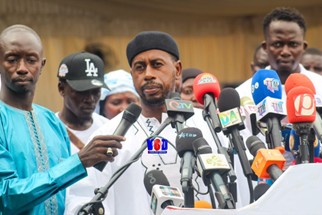
The Independent Electoral Commission (IEC) on Tuesday began nomination of presidential candidates for the 5 December 2026 election, with one party withdrawing from the schedule and two aspirants facing early setbacks over documentation and fees.
The exercise, which runs from 3 to 14 November at the IEC headquarters in Kanifing, is being conducted under Section 42 of the Elections Act 2025, which requires aspirants to provide proof of a D1 million deposit into an IEC-designated account, among other requirements.
The Commission confirmed it had received formal communication from the All-Inclusive Party that it will not present its presidential aspirant as scheduled on 3 November. The IEC did not disclose reasons for the withdrawal but said it remains ready to receive other aspirants in line with the published timetable.
The withdrawal marks an early shift in the field of contenders as parties race to comply with the new electoral law.
Shortly after, independent aspirant Salieu Jallow appeared before the Commission but failed to complete his nomination after not meeting the D1 million deposit requirement.
Jallow told the IEC he misunderstood the process, believing payment was to be made directly at the IEC rather than into a designated bank account. He was therefore unable to complete nomination.
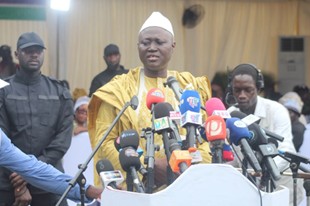 Second to appear was Modou Lamin Sima, presidential aspirant for the Alliance of Progressive Citizens. Sima submitted his papers but ran into trouble after presenting photocopies of his citizenship documents instead of originals.
IEC Chairman Joseph Colley told Sima the Commission requires original documents and warned that his nomination could be rejected if he fails to comply with the Elections Act. Sima is expected to return with the original documents before the close of the nomination window.
Speaking shortly after filing, Sima outlined his development agenda.
“If elected, the first thing I will address is unemployment. I will also look into the health sector, agriculture, tourism and other sectors. For us, we are development-oriented. Our manifesto is development-focused,” he said.
The opening day highlighted a tightened compliance regime under the Elections Act 2025, with the IEC insisting on original documentation and proof of deposit.
The D1 million deposit requirement has been a subject of public debate since its enactment. Proponents say it ensures seriousness and helps defray electoral costs, while critics argue it raises barriers for independents and smaller parties.
With the All-Inclusive Party withdrawing from Tuesday’s schedule, attention now turns to whether it will re-file within the nomination period or formally exit the presidential race. The IEC has not indicated whether the withdrawal is a postponement or a final decision.
The Commission will continue receiving aspirants throughout the week, with verification of documents, citizenship, voter registration and deposit receipts determining eligibility.
The 5 December election will be the first under the revised electoral framework which raises thresholds for candidate nomination and party registration.