Ireland spends about $853,000 to deport 42 South Africans as migration tensions rise across Africa’s largest economy
Ireland has deported 42 South African nationals who were living illegally in the country, at an initial cost of €735,000 ($853,000), as South Africa faces renewed debate over migration, xenophobia and the presence of undocumented foreign nationals.
 Black News

Ireland has deported 42 South African nationals who were living illegally in the country, at an initial cost of €735,000 ($853,000), as South Africa faces renewed debate over migration, xenophobia and the presence of undocumented foreign nationals.
- Ireland deported 42 South African nationals living illegally in the country, at an initial cost of €735,000.
- Deportation orders were issued after individuals failed to voluntarily return, with two deported persons having criminal convictions.
- The rise in deportations highlights migration as a two-way issue for South Africa, involving both the return of citizens from abroad and tensions with foreign nationals residing locally.
- South Africa is currently experiencing public pressure and campaigns against undocumented migrants, while also facing concerns about xenophobia.
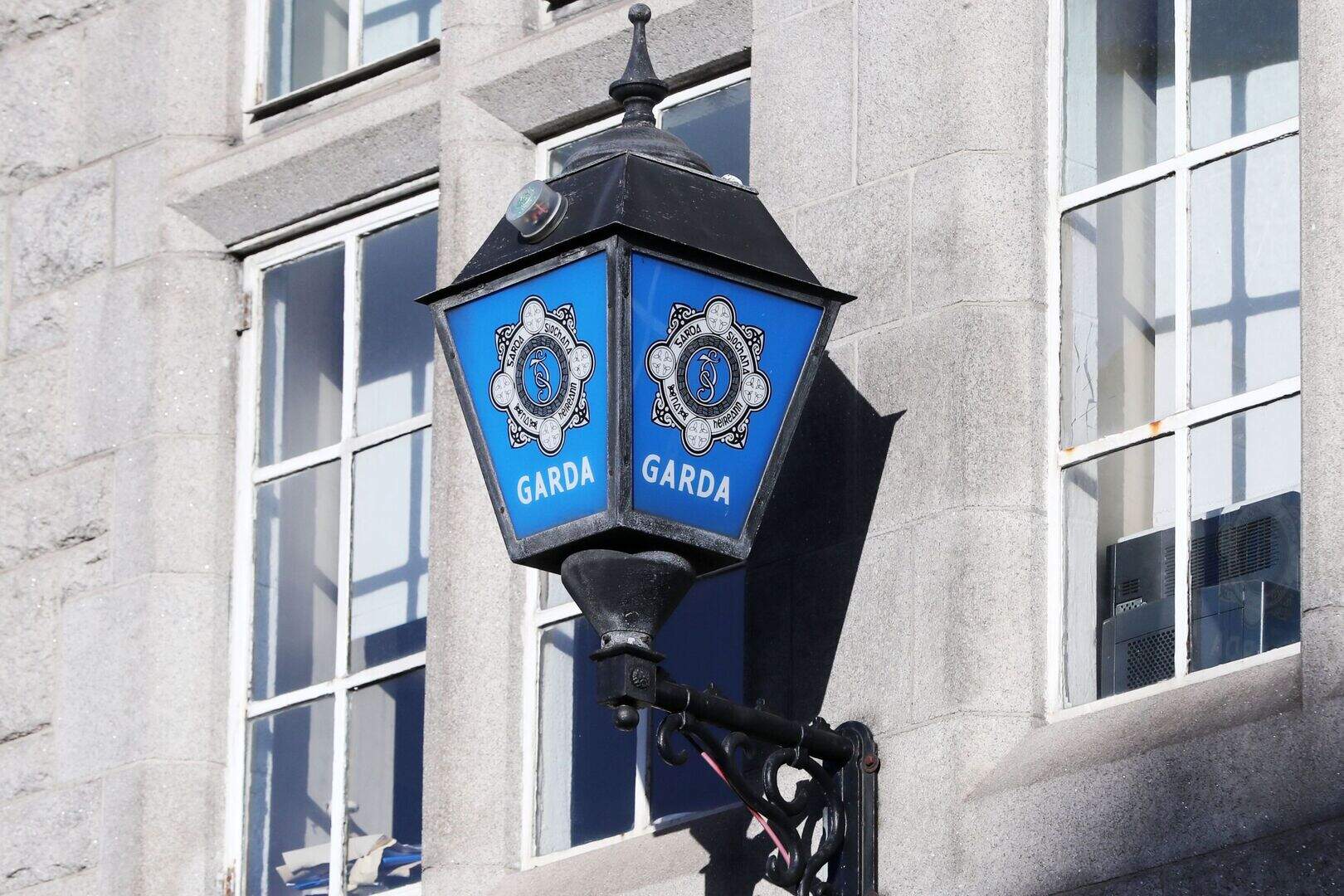
According to the Irish Times, the Garda National Immigration Bureau carried out a deportation operation on Thursday, removing 42 South African nationals from Ireland after deportation orders were issued against them.
Orders were issued after the individuals were deemed to be living illegally in the State and failed to take up the option of voluntary return to South Africa, with the group comprising 27 adults, including nine men and 18 women, and 15 children travelling as part of family groups.
Irish authorities said two of those deported had criminal convictions in Ireland, while the deportes left Dublin on a chartered flight on Thursday afternoon and arrived in South Africa on Friday morning.
“Gardaí continue to work closely with the Department of Justice in implementing immigration policy and the Irish Prison Service in the implementation of these operations”, a spokesperson added.
Ireland defends removals
South Africa is considered a safe country by the Irish State, according to the report, although South Africans can still apply for asylum in Ireland if they provide documentary proof that they are unsafe.
Ireland’s Minister for Justice, Jim O’Callaghan, said most South Africans living in Ireland were in the country legally.
“Our immigration system must be rules-based and robust,” he added.
“The enforcement aspects of our laws, including deportation orders, are an essential requirement for the system to work effectively and to ensure there is public confidence in the application of our legislation in this area.”
O’Callaghan said the €735,000 cost of Thursday’s deportation was only an initial figure, with the final cost expected after the invoicing process is completed.
Thursday’s charter flight was Ireland’s fourth deportation operation in 2026, after three earlier operations removed 130 people from the State, including 67 EU citizens deported on grounds of criminality, according to O’Callaghan.
In 2025, Ireland conducted six charter operations that removed 205 people from the State, including 182 people who were subject to deportation orders and 23 EU nationals.
South Africa migration pressure
The deportations come as South Africa, Africa’s largest economy, faces renewed pressure over undocumented foreign nationals, after anti-migrant groups called for undocumented African nationals to leave the country by June 30.
The South African government has not issued an official national deadline, but the campaign has raised concern among migrant communities.
South Africa remains one of Africa’s main destinations for migrants from countries including Zimbabwe, Malawi, Mozambique, Nigeria, Ghana and the Democratic Republic of Congo.
High unemployment, weak growth and pressure on public services have fuelled tension in several communities, while the country has recorded repeated episodes of xenophobic violence targeting African migrants, informal traders and foreign-owned businesses.
The return of deported South Africans from Ireland adds another layer to the debate, as Pretoria faces pressure over citizens returning from abroad while managing rising calls for action against undocumented migrants at home.