Juneteenth: A Celebration of Freedom, Community, and Remembrance
By Cherith Glover Fluker | For the Birmingham Times Juneteenth, short for June Nineteenth, marks the day in 1865 when federal troops arrived in Galveston, Texas, to enforce the freedom of enslaved people. This came two and a half years after the Emancipation Proclamation had already declared them free. The delay itself tells a story of […]
 Black News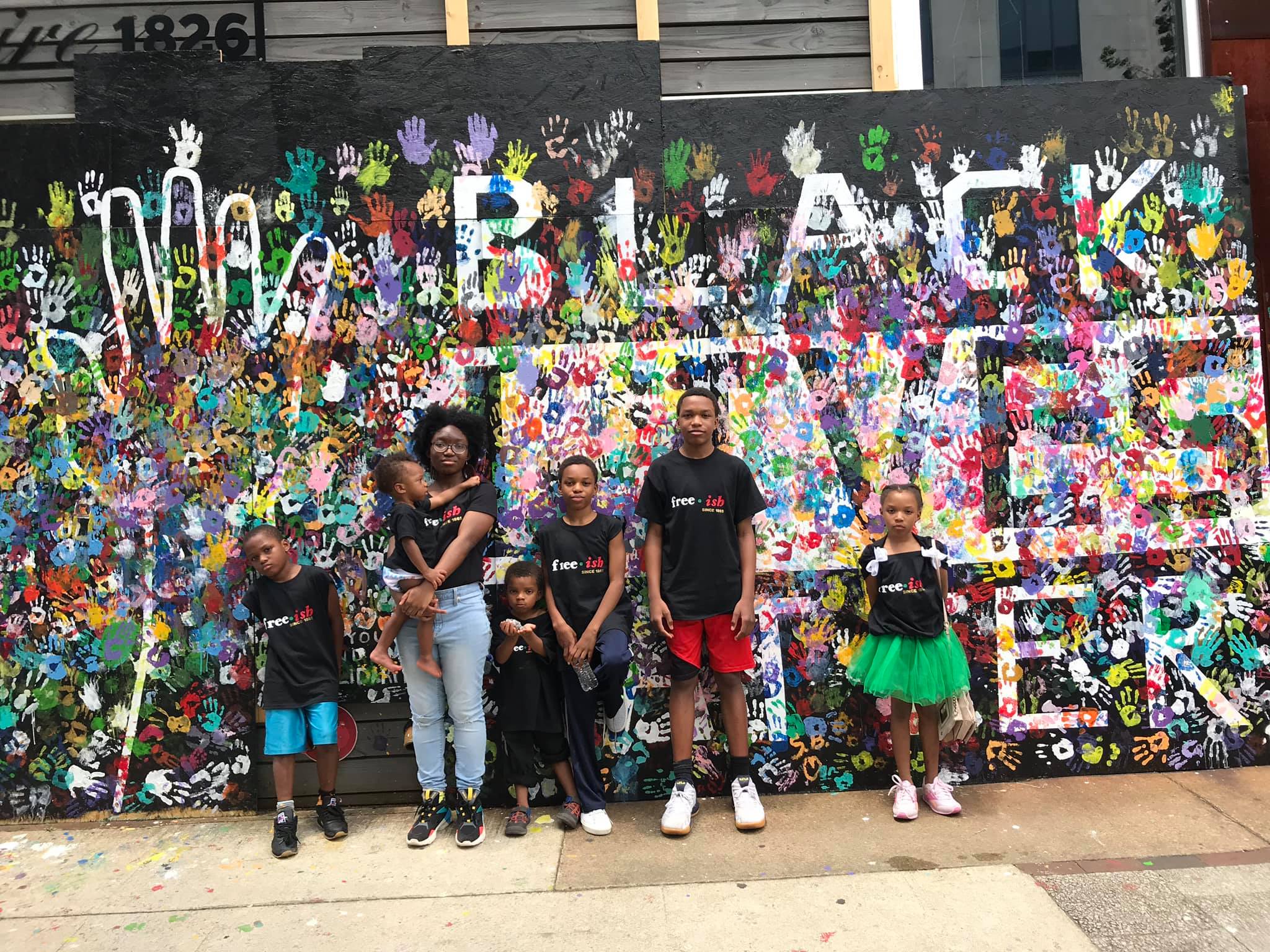
By Cherith Glover Fluker | For the Birmingham Times
Juneteenth, short for June Nineteenth, marks the day in 1865 when federal troops arrived in Galveston, Texas, to enforce the freedom of enslaved people. This came two and a half years after the Emancipation Proclamation had already declared them free.
The delay itself tells a story of suppressed information, deliberate resistance, and the long, complicated distance between a promise and its fulfillment.
That story is why Juneteenth is considered the longest-running African American holiday in the United States. Texas recognized it first, making it an official state holiday in 1979. The rest of the country caught up in 2021, when Juneteenth became a federal holiday.
For many Black Americans, that milestone felt long overdue.
For Talladega native Leslie Rowls, July 4th was never really her holiday. “It was a day of ‘Independence’ that was not meant for people who look like me,” she said. Juneteenth is a different story.
She and her family celebrate Juneteenth with cookouts, T-shirts, and a poolside celebration. “I celebrate Juneteenth because it truly is a celebration of freedom for Black Americans.”
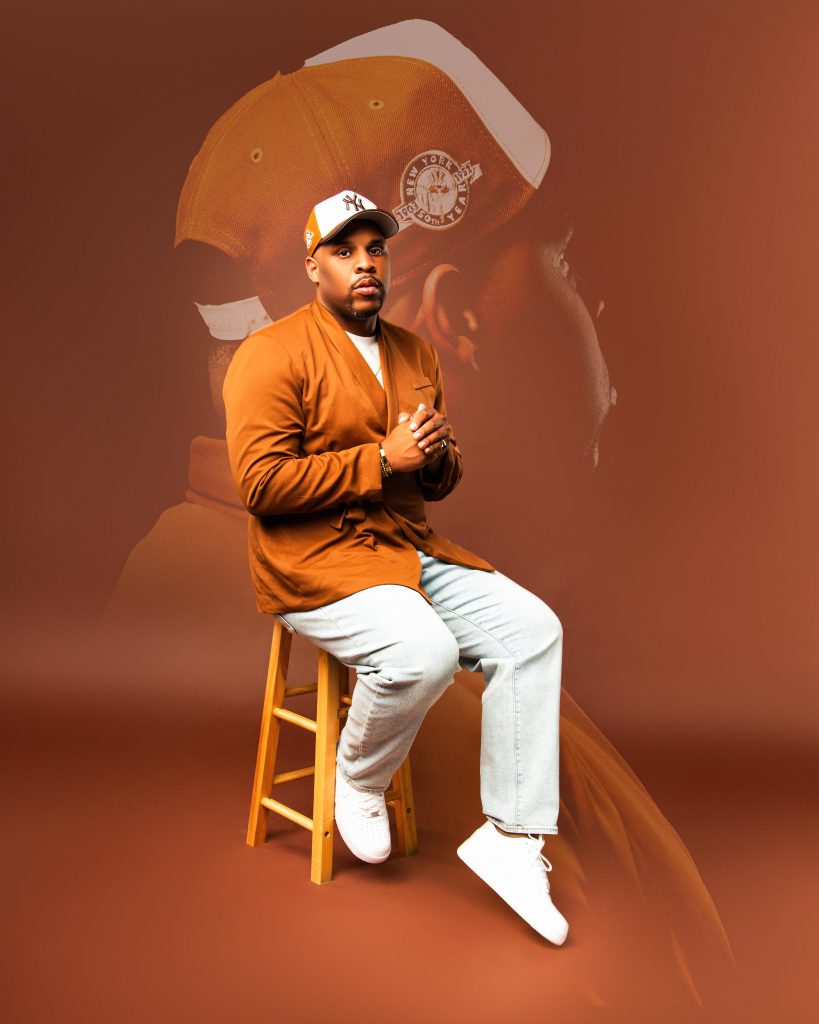
Local lifestyle creator and community voice LaDarrius Hutcherson — known across platforms as “LHUT” — has witnessed the growth of Juneteenth firsthand. His connection to the holiday deepened around 2020, when the COVID shutdown and a national reckoning with racial injustice pushed him to learn more.
“Juneteenth became much more than a holiday to me,” he said. “It became a reminder of strength, endurance and how far Black Americans have come despite so many obstacles.”
He’s brought that energy into the city by attending and participating in festivals, community gatherings, and cultural events. Last year, he was a special guest in Birmingham’s inaugural Juneteenth parade downtown.
“You could genuinely feel the pride, unity, and energy throughout the city,” he said. He also hosted a karaoke event and ran a Juneteenth giveaway, using his platform to draw people into the celebration.
Hutcherson’s advice for anyone in Birmingham who wants to honor the day but doesn’t know where to start: show up. “Attend a festival, support a Black-owned business, hear local speakers, learn more about the history or spend time in spaces that are uplifting the culture and the community,” he said. “Days like this grow through participation.”
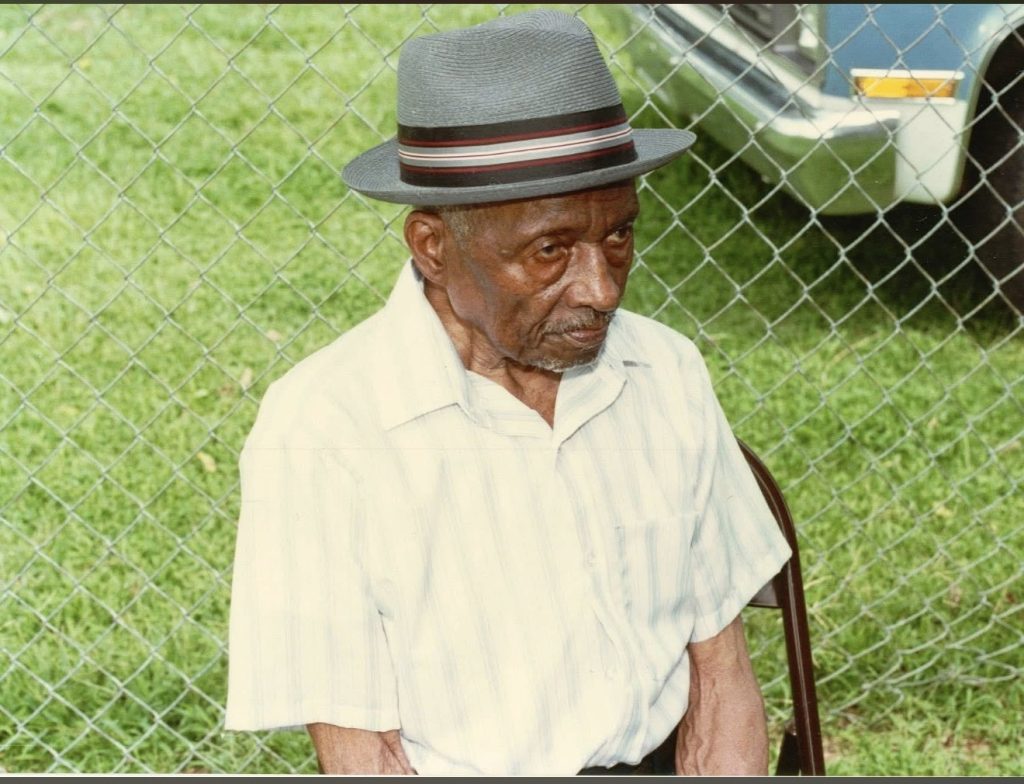
For Melanie Cade, a homeschooling mother from the Birmingham area, that recognition is deeply personal — and deeply rooted in family. Her great-grandfather, Fred “Bud” Taylor, Jr., was born to formerly enslaved people in Greensboro, Alabama, about 45 minutes outside the city. He lived until 1992. “Slavery was so close to my generation that I could literally touch it, in a sense,” she said.
Cade didn’t learn about Juneteenth growing up. Her teachers never taught it in her central Alabama public schools. That changed when she became an adult. “Once I learned about the holiday, Juneteenth became an integral part of our family’s celebrations and traditions,” she said, “and additionally became a personal acknowledgment of my own family’s lineage and history.”
Her family’s celebration is intentional. They set the day aside to revisit their own history, attend Juneteenth events, and support Black-owned businesses. The day also includes soul food, with a particular emphasis on red foods and drinks that honor the resilience and bloodshed of enslaved ancestors.
“There is no wrong way to celebrate Juneteenth,” she said, “but we make it meaningful.”
She points to the words her late grandfather, James A. Taylor, Sr., used to repeat: “You can’t know where you’re going if you don’t know where you’ve been.” For Cade, Juneteenth is what connects the delayed freedom of 1865 to the ongoing struggle for civil rights today.
“Studying history reveals that emancipation immediately gave way to Reconstruction, followed by the systemic oppression of the Jim Crow Era,” she said, “making the ongoing fight for civil and human rights just as relevant in 2026 as it was in 1865.”
For those in Birmingham ready to begin their own Juneteenth traditions, Cade suggests starting close to home, particularly in the Civil Rights District. The Birmingham Civil Rights Institute, the A.G. Gaston Motel, Kelly Ingram Park: these spaces hold the history in a way that puts Juneteenth in full context.
“I feel as though everyone should know about June 19th of 1865, just as much as we know about 1776 and the 4th of July,” she said. “It is all American history.”
Across all of these voices, a common thread emerges: Juneteenth is a bridge between the promise of American liberty and the lived reality of Black Americans, between history and the present, between remembrance and joy.