Niger revokes 58-year French uranium concession at Arlit in sovereignty push
Niger has intensified its overhaul of foreign mining agreements with the cancellation of a 58-year uranium concession linked to France at the strategic Arlit deposit, marking one of the most significant escalations yet in its broader resource nationalism drive.
 Black News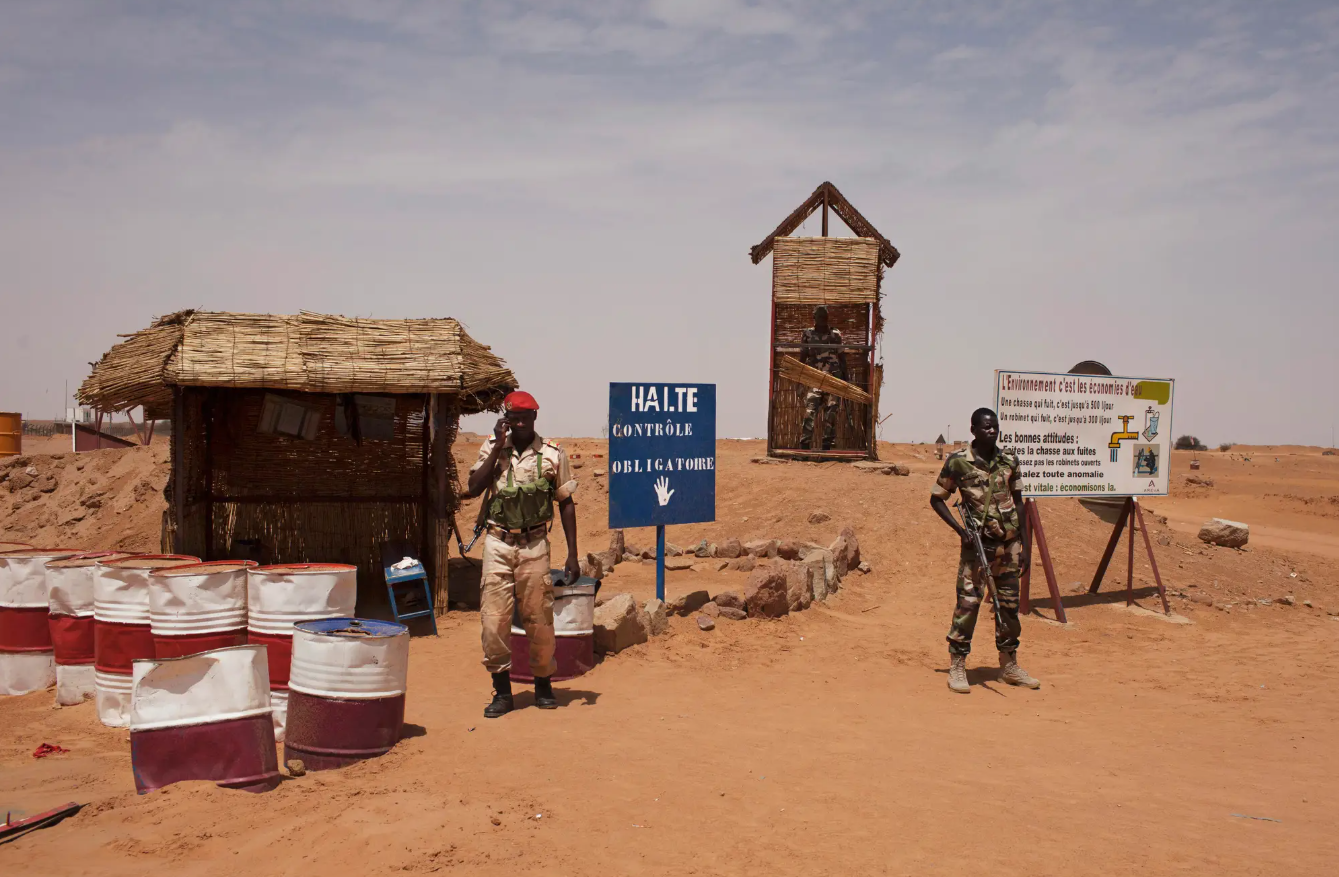

Niger has intensified its overhaul of foreign mining agreements with the cancellation of a 58-year uranium concession linked to France at the strategic Arlit deposit, marking one of the most significant escalations yet in its broader resource nationalism drive.
- Niger has cancelled a 58-year uranium concession at Arlit previously held by France's Atomic Energy Commission (CEA) due to alleged non-payment of surface royalties.
- The revocation was formalized after failed compliance from Orano, which succeeded the CEA, following multiple government notices and deadlines.
- Arlit is a historically significant uranium deposit and was central to Franco-Nigerien nuclear relations.
- This move builds upon previous actions, such as revoking Orano's license at the Imouraren mine, and represents a broader drive for resource nationalism and the reduction of French influence.
The decision, announced after a Cabinet meeting on May 18, 2026, chaired by military leader Abdourahamane Tchiani, terminates a concession originally granted in 1968 to France’s Atomic Energy Commission (CEA), the predecessor of Orano.
The Arlit site is one of Niger’s most historically important uranium-producing regions, long central to Franco-Nigerien nuclear cooperation.
Authorities said the revocation followed Orano’s alleged failure to pay surface royalties on parts of the mining perimeter.
The government reportedly issued a formal payment assessment in April 2025 and a notice in September 2025, before concluding that the company had not complied within the stipulated deadline under Niger’s mining code.
“The State of Niger is justified in canceling this concession”
In a statement broadcast on national television and cited by ECOFIN Agency, the government said: “The State of Niger is justified in canceling this concession,” adding that the affected land is now “free of all rights.”

The Arlit decision builds on earlier actions in 2024, when Niger revoked Orano’s operating licence at the Imouraren uranium mine, one of the world’s largest known uranium deposits. That move was widely seen as part of a broader rupture with France following the 2023 political transition in Niamey.
The latest move also reflects a wider shift across the Alliance of Sahel States (AES), where Niger, Mali, and Burkina Faso are steadily reducing French influence in military, economic, and strategic sectors.
Since the military transitions between 2023 and 2024, the AES bloc has expelled French troops, ended defence agreements, and reassessed partnerships linked to France.
The shift has also extended into mining and energy, with AES governments increasingly reviewing agreements involving French-linked firms such as Orano, arguing that many of the arrangements disproportionately benefited foreign interests while limiting local gains from natural resources.
Analysts say the dual actions reflect a coordinated strategy by Niger to reclaim strategic control over its uranium sector, which remains a critical pillar of its export economy and global nuclear fuel supply chains.