OpEd: Strong Black Woman Or Silently Suffering? The Cost Of Emotional Suppression
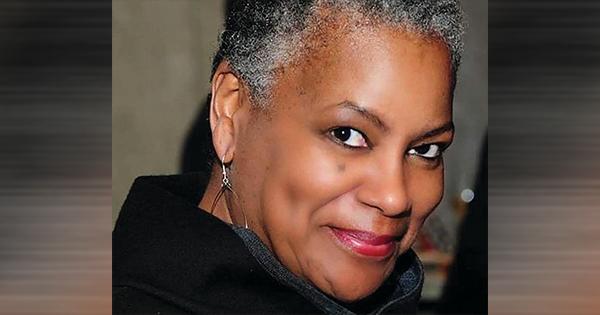
By Antania “Nia” Priester The doctors told me my heart was broken. Not metaphorically. Not emotionally. Physically. I was lying in a hospital bed after experiencing severe chest pain when...
 Black News
By Antania “Nia” Priester
The doctors told me my heart was broken.
Not metaphorically. Not emotionally. Physically.
I was lying in a hospital bed after experiencing severe chest pain when they explained I had developed Broken Heart Syndrome, Takotsubo cardiomyopathy, a condition triggered by intense emotional stress. In that moment, everything slowed down. I was grieving the loss of my brother, carrying layers of unprocessed pain from betrayal in my marriage, and sitting beside someone who had contributed to that emotional turmoil.
And yet, up until that moment, I had still been showing up. Still smiling. Still functioning.
Still being “strong.” That is the reality for so many Black women.
This experience is not just personal; it reflects a broader truth. Black women are conditioned by society and culture to endure pain in ways that are rarely acknowledged. Research continues to show disparities in how Black women’s pain is perceived and treated, particularly in healthcare settings. If our physical pain is often minimized, it raises a critical question: what happens to our emotional and mental health?
As cultural critic bell hooks writes in All About Love, “Rarely, if ever, are any of us healed in isolation. Healing is an act of communion.” Yet many Black women are expected to carry their pain quietly, without the support that healing requires.
From the outside, I appeared strong. I continued to show up for others, maintain responsibilities, and present a composed version of myself. But internally, I was struggling with what is often called functional depression, continuing to perform while silently unraveling. I experienced panic attacks, deep exhaustion, dread, forgetfulness, and loneliness. Even when I voiced that I wasn’t OK, my truth was often dismissed and replaced with reminders of my strength.
The “Strong Black Woman” identity, while celebrated, comes at a cost. It demands emotional suppression, self-sacrifice, and constant resilience. Over time, this leads to chronic stress, physical illness, and emotional burnout. Dr. Joy DeGruy’s work on Post Traumatic Slave Syndrome highlights how generational trauma has shaped coping mechanisms such as over-functioning and emotional suppression within the Black community. These patterns were rooted in survival, but survival is not the same as healing.
My turning point came when I realized that being functional did not mean I was healthy. I had to choose myself, not the version of me others relied on, but the version of me that needed care.
So how do Black women begin to break free?
It starts with naming the conditioning. Emotional suppression is not just an individual issue; it is cultural and generational. Recognizing this allows us to release self-blame and begin to understand our patterns.
It requires redefining strength. Strength is not silent suffering. True strength is setting boundaries, acknowledging when we are not OK, and choosing ourselves without guilt. It demands that we practice rest as resistance.
For Black women, rest is not indulgent; it is necessary. It disrupts cycles of overwork and survival mode that have been normalized for generations. It calls for rebuilding community. Healing requires safe spaces where vulnerability is honored, not dismissed. Community should be a place where we can be seen fully, not where we feel pressure to perform strength. And it involves stepping out of emotional prison intentionally. Healing is not about getting over what we have experienced. It is about moving forward without abandoning ourselves in the process.
This conversation cannot be limited to moments when public figures share their stories. Every day, Black women are navigating emotional burdens that often go unseen. This dialogue must be ongoing, in our homes, communities, and systems.
For generations, Black women have been praised for how much we can carry but rarely asked what it is costing us. I was praised for being strong while my body was shutting down. I had to decide whether to remain who I was conditioned to be or become who I needed to be to survive.
I chose myself.
And maybe it’s time more of us do the same.
Because strength should not feel like suffering.
And healing should not feel like isolation.
RELATED CONTENT: Experts Say The ‘Sticky Floor’ Phenomenon Is Trapping Women In Low-Wage Jobs