Premier: Anguilla is ‘on the front line of a global crisis we did little to create’
Anguilla is experiencing the effects of climate change, with rising seas and stronger storms threatening communities, infrastructure and the economy.… The post Premier: Anguilla is ‘on the front line of a global crisis we did little to create’ appeared first on Anguilla Focus | News.
 Black News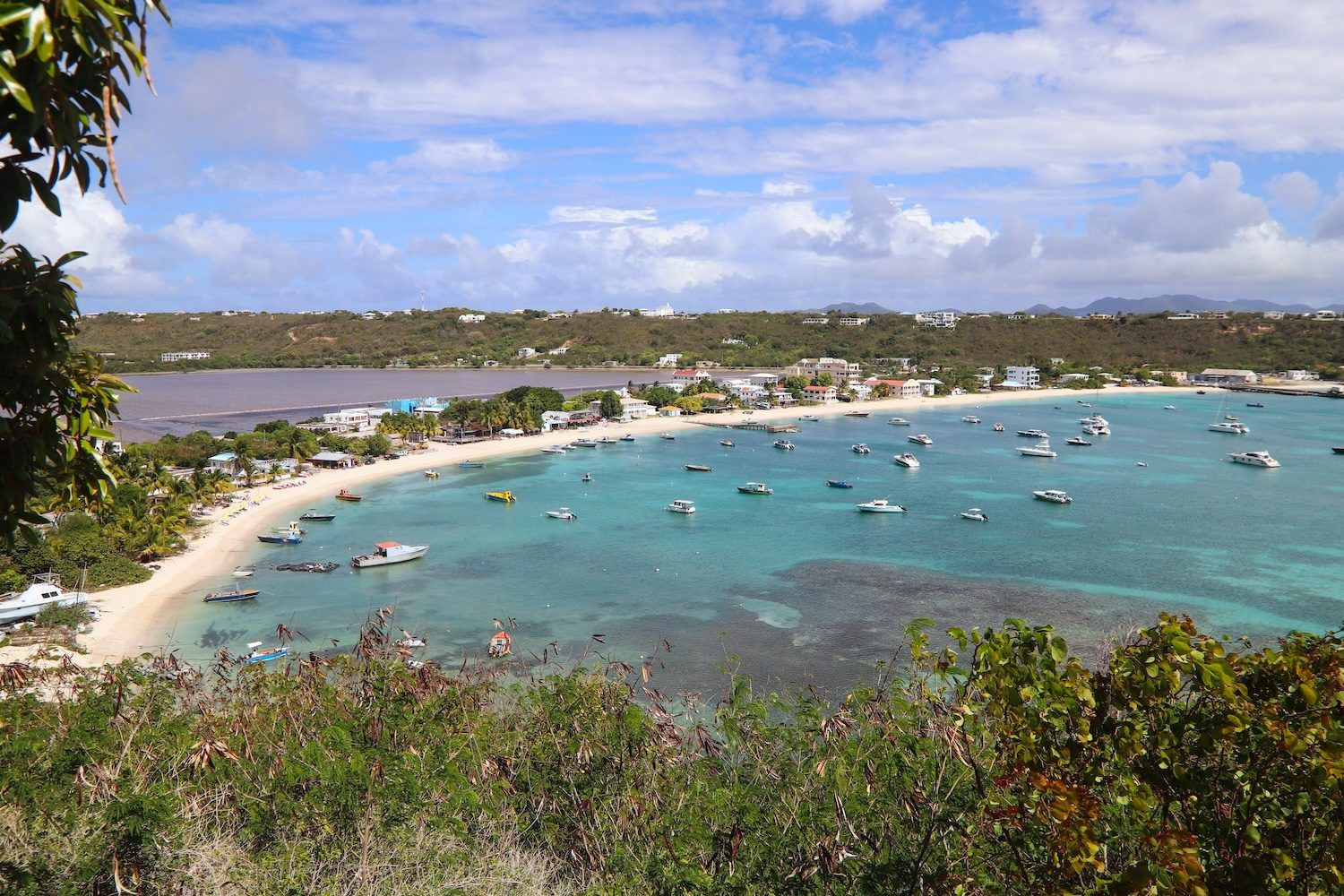
Anguilla is experiencing the effects of climate change, with rising seas and stronger storms threatening communities, infrastructure and the economy.
Premier Cora Richardson Hodge outlined the challenges during an address on 15 September at The Virtual Island Summit session, ‘Communities on the frontline of coastal change’.
“For the people of Anguilla, coastal change is not a distant warning. It is literally taking place as we speak,” she told viewers watching the online event.
At Anguilla Focus we keep our core content free for everyone – but our members get access to even more! Click here to join from just $4/month.
“It is reshaping our beaches, disrupting our livelihoods, threatening our communities and our schools, and it is testing the resilience of an island whose identity, culture and economy are inseparable from the sea.”
She said the impacts put Anguilla “on the front line of a global crisis we did little to create, but we are already being forced to manage”.
Lasting scars
Richardson Hodge said Anguilla’s people have always had a deep connection to the sea, which has provided food and livelihoods, shaped its culture and connected the island to the wider world.
But the water that has sustained Anguilla is also presenting some of its greatest challenges, with rising sea levels, storm surges and coastal erosion, she said.
She pointed to hurricanes Louis in 1995, Lenny in 1999 and Irma in 2017, saying they left “lasting scars” on the coastline, infrastructure, communities and economy.
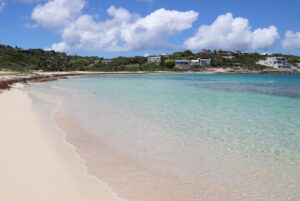
Today, she said, coastal erosion is affecting the northern coastline from Little Bay to Meads Bay, while storm surge and seawater intrusion threaten low-lying communities such as Sandy Ground and Island Harbour.
She also highlighted persistent sargassum since 2011 and the degradation of coral reefs, seagrass beds and mangroves, which she described as infrastructure that helps protect Anguilla’s shores.
Building resilience
The premier said Anguilla cannot simply wait for the next storm before responding, but must build resilience into its planning, policies and investments.
She highlighted measures including coastal planning, climate-resilient development policies, disaster preparedness, risk mapping, drone monitoring, environmental legislation, and stronger tsunami and hurricane alert systems.
However, she said resilience cannot be built through “concrete and legislation alone”, with the government increasingly focusing on nature-based solutions including coral reef restoration, mangrove planting and coastal vegetation.
Richardson Hodge highlighted a pilot project at Sandy Hill Bay using collected sargassum to help rebuild sand dunes, alongside a regional study examining its potential for biogas production.
She said such initiatives demonstrated the need to turn climate challenges into opportunities by reducing wave energy, stabilising beaches, protecting infrastructure and potentially reducing reliance on imported fossil fuels.
‘A profound injustice’
The premier said Anguilla contributes little to global greenhouse gas emissions but is highly exposed to climate impacts, creating what she called “a profound injustice”.

She said Anguilla’s political and constitutional status can make it difficult to access international climate finance directly, with Brexit ending its previous direct access to some European Union funding.
However, she highlighted regional and international partnerships, including programmes through the Organisation of Eastern Caribbean States and the Darwin Initiative, as examples of institutions working together.
Richardson Hodge also stressed the importance of financial capacity to recover after disasters, noting that Anguilla has received more than US$12 million in payouts from the Caribbean Catastrophe Risk Insurance Facility since joining in 2007.
She said Anguilla’s response must be practical, strategic and collective, with stronger regional and international partnerships, greater access to climate finance and continued investment in adaptation and mitigation.
“The future of Anguilla, and indeed of small islands everywhere, will be shaped by the decisions we make today,” she said.
“So let us move decisively from vulnerability to resilience, from reaction to preparation, from promises to investment, and from working in isolation to working together.”
The post Premier: Anguilla is ‘on the front line of a global crisis we did little to create’ appeared first on Anguilla Focus | News.