SA Scientists Developing Super Beans for Future Food Security!
South African scientists are leading an international team in working toward a food-secure future by developing better beans! Pretoria, South Africa (25 May 2026) – Researchers at the University... The post SA Scientists Developing Super Beans for Future Food Security! appeared first on Good Things Guy.
 Black News

South African scientists are leading an international team in working toward a food-secure future by developing better beans!
Pretoria, South Africa (25 May 2026) – Researchers at the University of Pretoria are looking at how to upgrade a staple food most of us know and love to tackle food insecurity.
Scientists from the university’s Department of Plant and Soil Sciences are leading an international project to develop a ‘super bean.’
Their aim is to create and grow new varieties of the common bean that can survive tough drought, with nutrients that can be more effectively absorbed by our bodies.
“A significant outcome of the research has been the successful characterisation of experimental mutant common bean lines with a superior nutritional value, even under drought stress,” explains Professor Juan Vorster, of UP’s Department of Plant and Soil Sciences, who serves as the project’s co-coordinator. “This resulted in the establishment of a genetic resource of potential new breeding lines that combine improved nutrition with drought resilience.”
It’s part of a global effort called the BIO-BELIEF project. Out of nearly 90 applications from around the world, this South African-led study was one of only 17 selected for funding, bringing together agricultural researchers from Brazil, France, Italy, and Kenya!
The humble bean matters more than you might think.
Beans are part of the daily diet for millions of people across Africa. They are affordable, packed with protein, and easy to store. But there are two tricky hurdles when it comes to getting the most out of them, involving weather and chemistry.
As unpredictable weather and drought arrive with climate change, crops need to be tougher to survive.
The other hurdle is that beans contain an ‘antinutrient’ called phytic acid. This is essentially the plant’s way of storing phosphorus, but it also blocks the human gut from properly absorbing essential minerals found in beans, like iron.
Traditionally, you’d have to soak and boil beans for a very long time to break down these antinutrients so the iron becomes available. However, boiling beans for hours uses up resources and adds extra costs for low-income households.
“Developing a crop with a lower antinutrient content not only enables nutrients such as iron to be more bioavailable to humans, but might also save on a natural resource,” Prof Vorster says. “This saves costs for low- income families, while addressing iron deficiencies.”
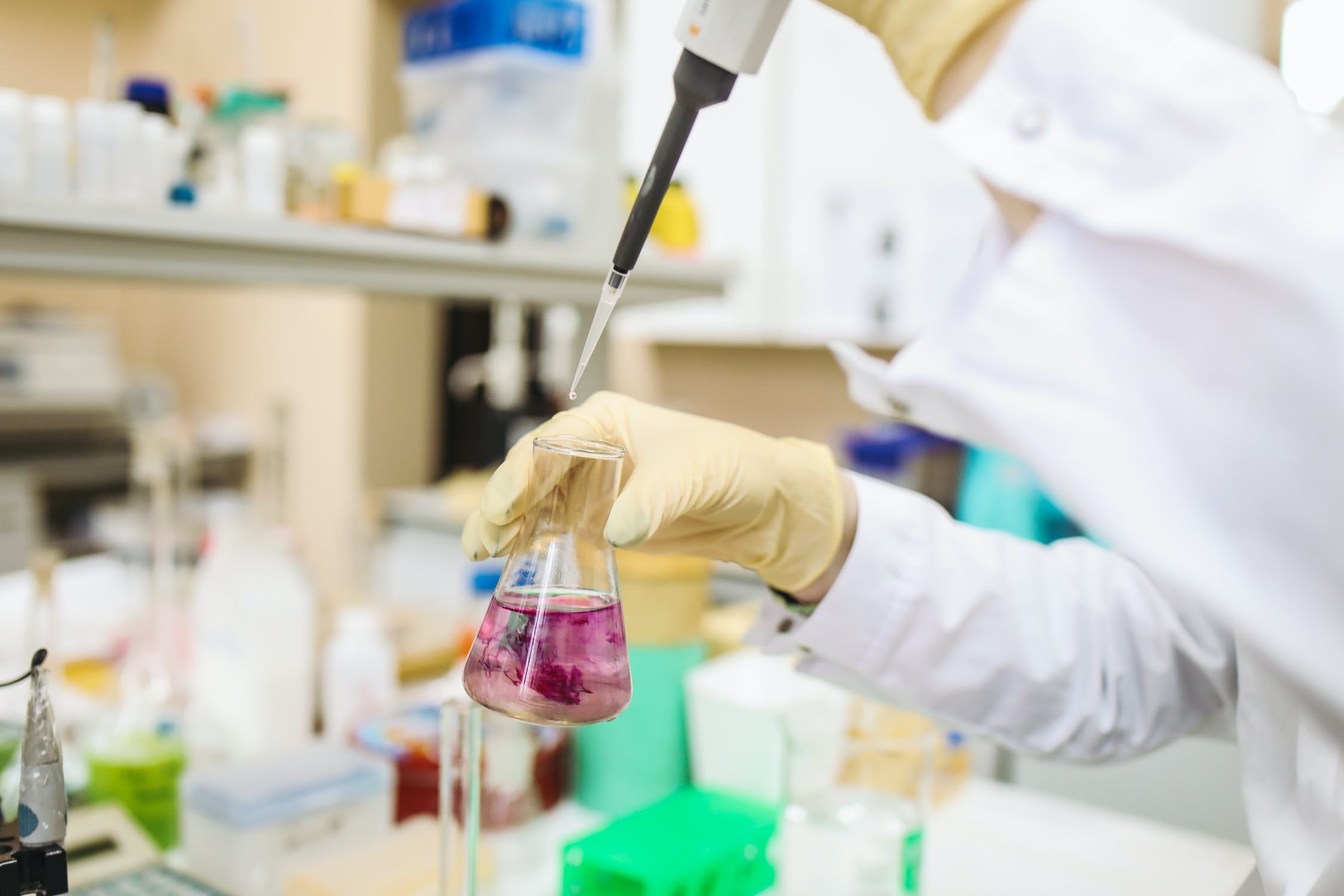
The research team is combining traditional cross-breeding with advanced artificial intelligence and machine learning. By using AI, they can precisely analyse data to identify which bean varieties manage phosphorus better. This allows them to speed up the process of breeding a climate-resilient, super-nutritious crop.
Experimental bean lines have already been successfully tested in both South Africa and Italy, and crops have performed well under tough, drought-stressed conditions.
The final step of the journey would be to make sure these new beans actually taste good and fit into the everyday diet. The UP team is working alongside food and nutrition experts in Rome to develop appealing, healthy recipes using these improved beans. The ultimate goal is to introduce these nutritious meals into local school feeding schemes.
For the moment, the University of Pretoria is looking for local or international industry partners to help take these experimental beans to the next level. They want to get the seeds into the hands of small-scale farmers to support community sustainability and provide a more affordable, climate-resilient food option.
Who knew that food security could start with the humble bean?
Sources: University of Pretoria.
Don’t ever miss the Good Things. Download the Good Things Guy App now on Apple or Google.
Do you have something to add to this story? Please share it in the comments or follow GoodThingsGuy on Facebook and Twitter to keep up to date with good news as it happens, or share your good news with us by clicking here or click the link below to listen to the Good Things Guy Podcast with Brent Lindeque – South Africa’s very own Good Things Guy. He’s on a mission to change what the world pays attention to, and he truly believes there’s good news around us. In the Good Things Guy podcast, you’ll meet these everyday heroes and hear their incredible stories:
Or catch an episode of Good Things with Brent Lindeque or our Weekly Top 5 below. The videos here are always changing, updated with the latest episodes from these two shows. Both are part of Good Things TV, created to bring South Africans balance at a time when the news can feel overwhelmingly negative. Our goal is simple: to remind you that there are still so many good things happening in our country – and to leave you feeling a little more proudly South African.
The post SA Scientists Developing Super Beans for Future Food Security! appeared first on Good Things Guy.