Senegal President Faye Dismisses Prime Minister Sonko in Dramatic Power Split
In a political rupture that has stunned observers across West Africa, Bassirou Diomaye Faye has dismissed Prime Minister Ousmane Sonko, dissolving the government and plunging Senegal into its most serious political crisis since the historic 2024 election. The dramatic move marks the collapse of one of Africa’s most closely watched political partnerships — a relationship [...]
 Black News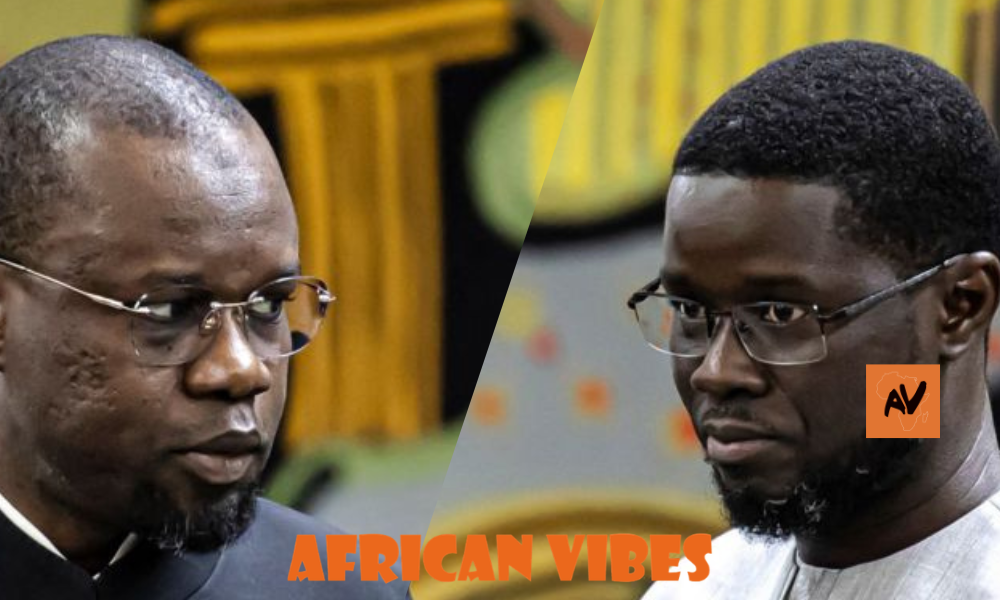
In a political rupture that has stunned observers across West Africa, Bassirou Diomaye Faye has dismissed Prime Minister Ousmane Sonko, dissolving the government and plunging Senegal into its most serious political crisis since the historic 2024 election.
The dramatic move marks the collapse of one of Africa’s most closely watched political partnerships — a relationship that only months ago symbolised hope, democratic renewal, and generational change in Senegalese politics.
Now, that alliance has fractured in spectacular fashion.
The dismissal not only reshapes the balance of power in Senegal, but also raises urgent questions about political stability in one of West Africa’s most respected democracies at a time when the wider region continues to grapple with coups, unrest, and democratic backsliding.
From Revolutionary Allies to Political Rivals
To understand the significance of this moment, it is necessary to revisit the extraordinary political rise that brought both men to power.
During Senegal’s fiercely contested 2024 presidential election, Ousmane Sonko emerged as the dominant force behind Bassirou Diomaye Faye’s campaign. Although Sonko himself had become one of the country’s most influential opposition figures, legal and political obstacles prevented him from mounting a direct presidential bid.
Instead, he transferred his political machinery, loyal support base, and national influence to Faye.
It proved decisive.
Sonko’s popularity among young voters, urban communities, and anti-establishment movements transformed Faye from a relatively low-profile political figure into a national contender capable of defeating the ruling establishment. Their victory was celebrated by supporters as a democratic revolution — a rejection of political elites and a new beginning for Senegal.
Following the election, Faye appointed Sonko as Prime Minister, creating what many believed would become one of the most formidable political partnerships in modern African politics.
But beneath the public displays of unity, tensions were quietly growing.
Power Struggles Behind Closed Doors
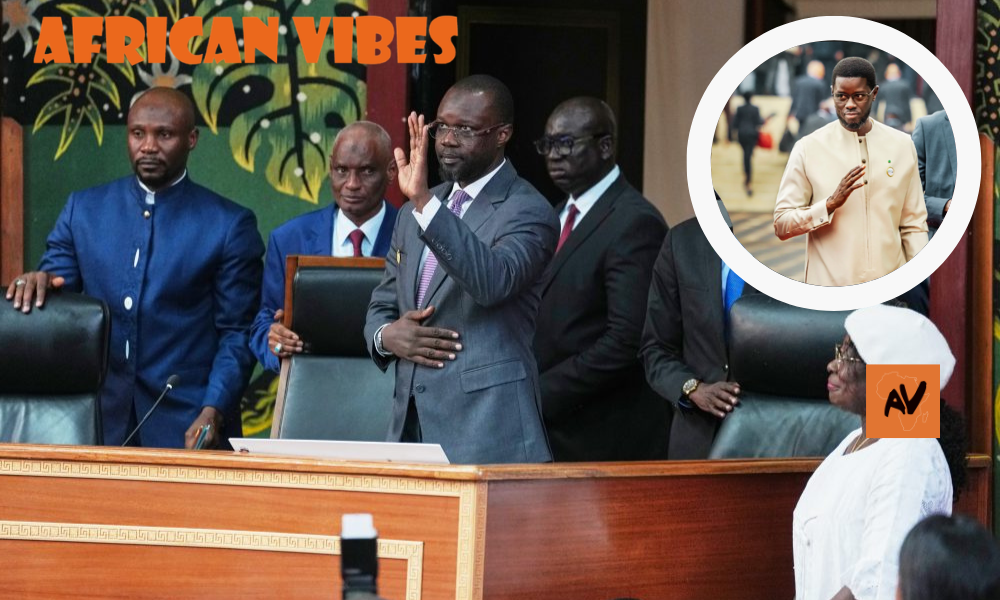
For months, rumours circulated within Senegalese political circles about disagreements between the president and his prime minister.
Neither side openly acknowledged the scale of the rift, but insiders pointed to growing friction over governance, appointments, political influence, and competing visions for the future of the administration.
At the heart of the crisis was a delicate imbalance of power.
While Faye held the presidency, Sonko remained the movement’s most charismatic and influential political figure. Many analysts believed that Sonko’s political capital sometimes rivalled — and perhaps even overshadowed — that of the president himself.
Such arrangements are often unstable.
In political systems across the world, tensions frequently emerge when two dominant personalities attempt to share power inside the same administration. In Senegal’s case, the partnership carried additional pressure because both men commanded loyal and emotionally invested political followings.
As months passed, the cracks widened.
ALSO READ: Burkina Faso Prison Reform Under Ibrahim Traoré Includes Agriculture and Skills Training For Inmates
A Stunning Dismissal That Changes Everything
President Faye’s decision to remove Sonko and dissolve the government entirely represents far more than a routine cabinet reshuffle.
It is a bold assertion of presidential authority.
By dismantling the government structure rather than simply replacing individual ministers, Faye appears determined to consolidate power and rebuild the administration around figures fully aligned with his leadership.
For Sonko, the dismissal is a remarkable political reversal.
Only months ago, he was widely viewed as the architect of the ruling coalition’s rise to power. Today, he finds himself abruptly pushed out of government and facing an uncertain political future.
The move has instantly transformed Senegal’s political landscape.
Shockwaves Across Senegal
The announcement triggered immediate reaction across Senegalese society.
Supporters of Sonko condemned the decision as a betrayal of the political movement that brought Faye to power. Many accused the president of sidelining the very figure who energised the country’s demand for political change.
Others defended the dismissal as necessary to restore governmental cohesion and stability, arguing that persistent internal tensions had paralysed decision-making at the highest levels of the state.
Across social media, radio discussions, and political commentary programmes, Senegalese citizens have debated whether the split reflects legitimate governance concerns or a deeper struggle for control of the country’s political future.
So far, authorities have called for calm, while observers closely monitor whether tensions could spill into public demonstrations or broader political unrest.
What Happens Next?
Several critical questions now dominate political discussion in Senegal and beyond.
Will Sonko Fight Back Politically?
Despite his dismissal, Sonko remains one of Senegal’s most influential political figures. His grassroots support network remains powerful, particularly among younger voters and anti-establishment activists.
Political analysts believe he could reposition himself as a major opposition force or potentially challenge Faye’s leadership from outside government structures.
Who Will Replace Him?
President Faye’s choice of a new prime minister will be scrutinised both domestically and internationally.
The appointment could reveal whether the president intends to unify competing factions or further centralise authority around loyal allies.
Can Senegal Preserve Its Democratic Reputation?
For decades, Senegal has been regarded as one of Africa’s strongest democratic examples, known for relatively peaceful transitions of power and resilient institutions.
At a time when several West African nations — including Mali, Burkina Faso, and Guinea — have experienced coups and political upheaval, Senegal’s stability has carried symbolic regional importance.
This crisis now places that reputation under intense scrutiny.
A Defining Test for Senegal’s Democracy
The fallout from the Faye–Sonko split extends far beyond personal rivalry.
It represents a critical test of Senegal’s democratic institutions and political maturity.
If the country navigates this transition peacefully and constitutionally, it could reinforce confidence in Senegal’s democratic resilience. But if tensions deepen into prolonged instability or institutional confrontation, the consequences could reverberate across West Africa.
For many Senegalese citizens, the sense of uncertainty is profound.
The political movement that once promised unity, reform, and national renewal has fractured at the highest level of government, leaving voters questioning what comes next.
Conclusion: Senegal Enters a New Political Era
The dismissal of Ousmane Sonko marks a turning point in Senegalese political history.
What began as a revolutionary alliance between two reformist figures has unravelled into a dramatic power struggle with potentially far-reaching consequences for Senegal and the wider region.
President Bassirou Diomaye Faye has made a decisive gamble — choosing to assert full presidential control rather than continue sharing power with a dominant political ally.
Whether that gamble stabilises Senegal or deepens divisions will become clear in the weeks ahead.
For now, one thing is certain: Senegal has entered a new and uncertain political era, and the entire continent is watching closely.