South Africa and Nigeria break into global top 10 outsourcing destinations
South Africa and Nigeria have emerged among the world’s top 10 outsourcing destinations, highlighting Africa’s growing role in the global business services industry as companies increasingly look beyond traditional hubs in Asia and Eastern Europe.
 Black News



South Africa and Nigeria have emerged among the world’s top 10 outsourcing destinations, highlighting Africa’s growing role in the global business services industry as companies increasingly look beyond traditional hubs in Asia and Eastern Europe.
- South Africa and Nigeria are ranked among the world’s top 10 outsourcing destinations, reflecting Africa’s growing role in global business services.
- The Global Outsourcing Talent Index evaluates countries on factors like labor cost, English proficiency, talent availability, digital infrastructure, and stability.
- South Africa (5th) and Nigeria (6th) lead Africa, with strong digital infrastructure and large English-speaking workforces being key advantages.
- The global BPO sector is rapidly expanding, projected to more than double in size by 2033 to $695.77 billion as demand for specialized services grows.
The ranking, drawn from the Global Outsourcing Talent Index, reflects shifting corporate demand for lower-cost labour, English-speaking talent, and scalable digital workforces.
The 2026 Global Outsourcing Talent Index, produced by Ataraxis, evaluates all 193 UN-recognised countries based on five weighted variables: labour cost, English proficiency, talent availability, digital infrastructure, and political and business stability.
It places South Africa at 5th position globally, while Nigeria follows closely at 6th, making them the highest-ranked African countries on the list.
Africa’s growing outsourcing footprint
The index evaluates countries based on labour cost (52.5%), English proficiency (20%), talent availability (17.5%), digital infrastructure (5%), and political and business stability (5%).
Together, these metrics determine how competitive a country is in attracting outsourced work across sectors such as IT, finance, customer support, and research services.
South Africa’s strong digital infrastructure and established corporate services sector continue to anchor its position as a leading outsourcing hub on the continent.
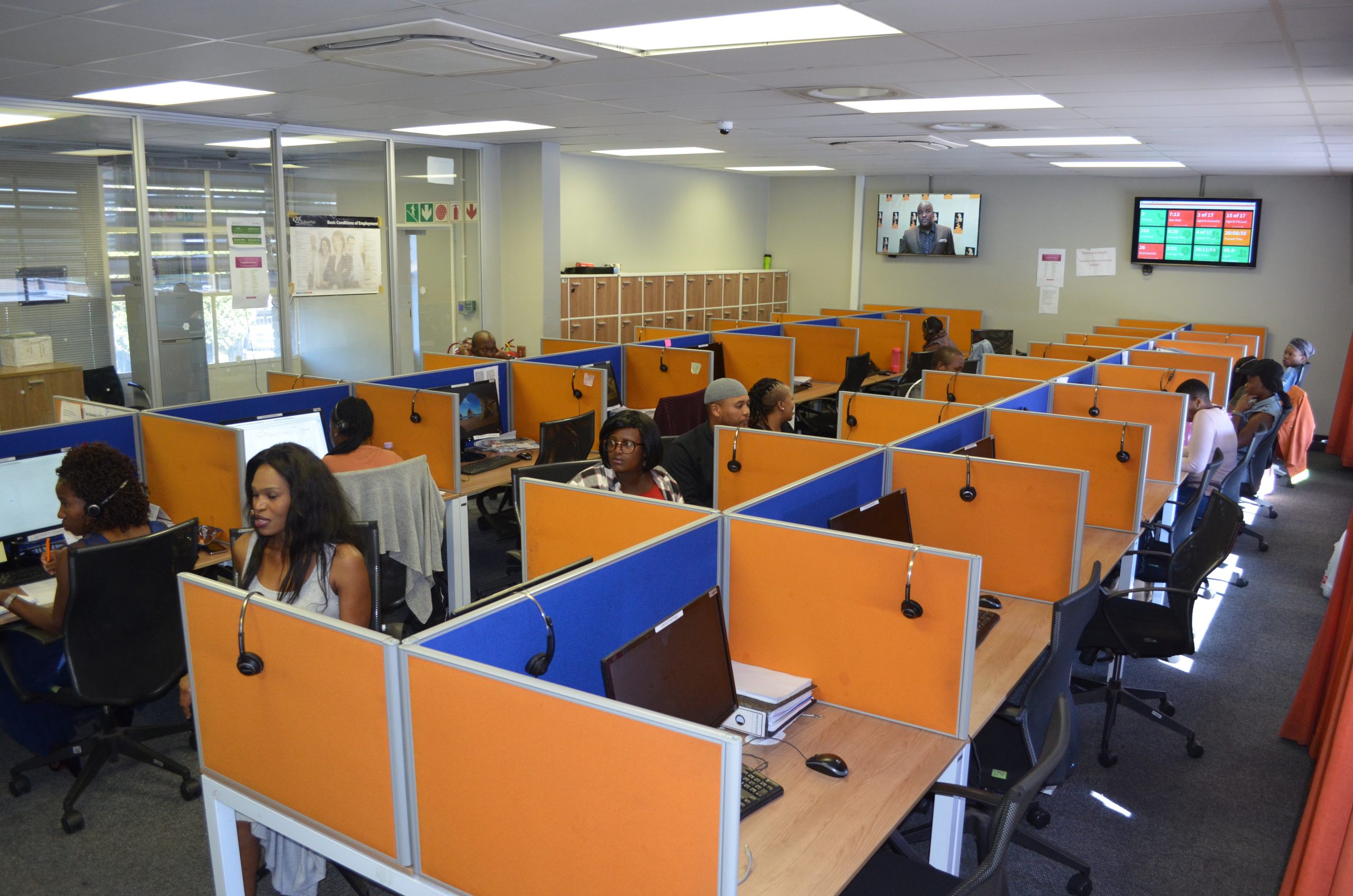
Nigeria, meanwhile, benefits from a large English-speaking workforce and relatively low labour costs, making it increasingly attractive for global firms seeking scale.
Other African markets also feature in the top 20, including Kenya in 11th place, Egypt in 15th, and Ghana in 17th, further indicating the continent’s widening presence in the outsourcing ecosystem.
A fast-growing global industry
The ranking comes as the global business process outsourcing (BPO) market continues its rapid expansion.
According to the report, the sector was valued at $328.37 billion in 2025 and is projected to reach $695.77 billion by 2033, growing at a compound annual rate of 9.9%.
Growth is being driven by rising demand for specialised services in healthcare, finance, and information technology, alongside increased adoption of remote and hybrid work models.
Offshore outsourcing remains a key strategy for multinational companies, offering access to lower-cost talent pools in regions such as India, the Philippines, and Eastern Europe. However, Africa is increasingly competing for a share of that demand as firms diversify their global operations.
Opportunities and structural gaps
Despite strong rankings for some markets, Africa’s outsourcing landscape remains uneven. While leading economies such as South Africa and Nigeria are integrating into global service chains, many others continue to face constraints in infrastructure, regulatory consistency, and digital connectivity.
Countries such as Somalia, Eritrea, Central African Republic, Sudan, and Libya feature among the least competitive outsourcing destinations.
These markets generally score poorly on political stability, digital infrastructure, and talent retention, limiting their participation in global outsourcing value chains.
The contrast highlights a widening global divide: while leading African markets are integrating into high-value service exports, others remain constrained by persistent structural and institutional challenges.