Still Standing: What It Took For Black-Owned Businesses To Survive 2025
We have to be the change we want to see for businesses to thrive. Even amid such economic uncertainty (and consumer spending projected to reach $2.1 trillion by 2026, with […] The post Still Standing: What It Took For Black-Owned Businesses To Survive 2025 appeared first on Essence.
 Black News
 Black tea shop owners work on a laptop as they run their business
  By Ronny Maye ·Updated December 31, 2025 < /> Getting your Trinity Audio player ready…
 We have to be the change we want to see for businesses to thrive.
Even amid such economic uncertainty (and consumer spending projected to reach $2.1 trillion by 2026, with Black women leading that spending), Black-owned businesses continue to grow exponentially. However, women and minority business owners face significant barriers like systemic racism and funding gaps. This comes on top of other concerns, such as dwindling mentorship opportunities, insufficient marketing, and higher loan denial rates. Ironically, Black-owned businesses are also approved for loans at higher interest rates, according to the National Urban League, which can affect them in the long term. These structural challenges contribute to roughly 80% of Black-owned businesses closing within 18 months, and half fail within five years–much higher than the average small business, highlighting the need for targeted support and solutions.
Obstacles That Black-Owned Businesses FaceIt has been a particularly trying time for Black-owned businesses, as they have faced several obstacles beyond the usual barriers. One of these was the Trump Administration’s tariffs on imported goods. Tariffs disproportionately harm Black-owned businesses by increasing operational costs. This also means companies saw a reduction in profit margins and a decline in customer demand. Many small businesses, especially Black-owned businesses, lack the capital and resources to withstand these financial pressures as effectively as larger corporations, underscoring the need for policy change and support.
In the last year, lawmakers in more than 30 states have introduced or passed more than 100 bills to undermine diversity, equity, and inclusion initiatives, including pledges to support Black-owned businesses. We also witnessed several companies, including Target, roll back their DEI initiatives, sparking nationwide outrage that catapulted a boycott among Black shoppers. While we wanted to send a clear message to Target and the like that our dollars were valuable and that we wouldn’t support businesses that were bold in their disdain for marginalized shoppers, this inherently led to a drop in sales for black-owned companies represented in these stores. This made it sink or swim for many businesses that had to quickly offer a direct way for consumers to purchase their products, outside of being on store shelves.
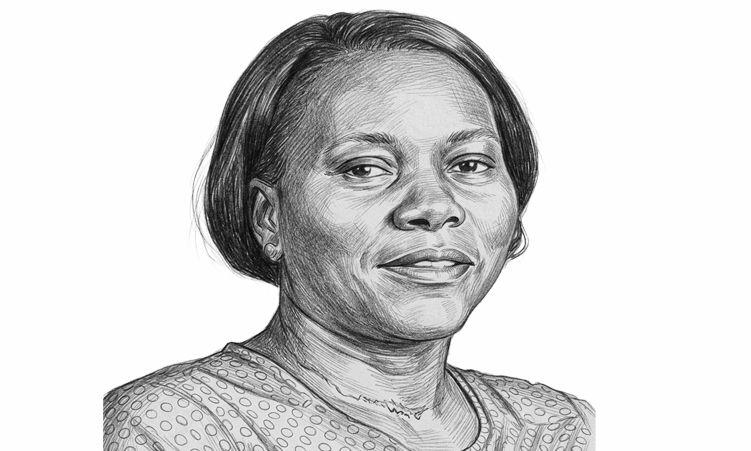
In a previous article about the woes of entrepreneurship, Lindsey Walker candidly spoke about the lack of mentorship that makes treading this career >weloveus.shop, a user-friendly marketplace that directly supports Black women and Black culture-led brands. Supporting this initiative can empower our community and foster a sense of pride through simple, accessible shopping. But it’s not just about a place to shop; it’s an answer to a problem plaguing our Black-owned businesses.
“Black women are building businesses in the midst of economic uncertainty, and they often do it without access to the retail infrastructure their peers rely on,” Michele Ghee, Chief Content Officer at Essence, stated. “The marketplace addresses this fundamental gap in resources.”
This launch helps Black small businesses by putting them directly in front of Essence’s audience: a monthly circulation of 1,050,000 and a readership of 8.5 million, according to their website. It’s timely because it lets Black-owned businesses know that they are valued and supported beyond whatever is trending. While the landscape is ever-changing, businesses have continued to show adaptability and resilience.
It’s an indescribable joy whenever I stumble across a Black-owned brand. When shopping online, I encourage you to seek out products or services from Black-owned companies. Your support can fuel the workforce, create employment opportunities, and strengthen local communities and economies.
The post Still Standing: What It Took For Black-Owned Businesses To Survive 2025 appeared first on Essence.