Taranis to Invest $27 Million in Corbetti Geothermal Project
The Corbetti Geothermal Project, a highly anticipated development in Ethiopia’s renewable energy sector, announced that it has secured a new investment agreement. The Private Infrastructure Development Group (PIDG) announced at the Africa Energy Forum currently taking place in Cape Town, South Africa, that it has signed a Convertible Loan Agreement with a company named Taranis […]
 Black News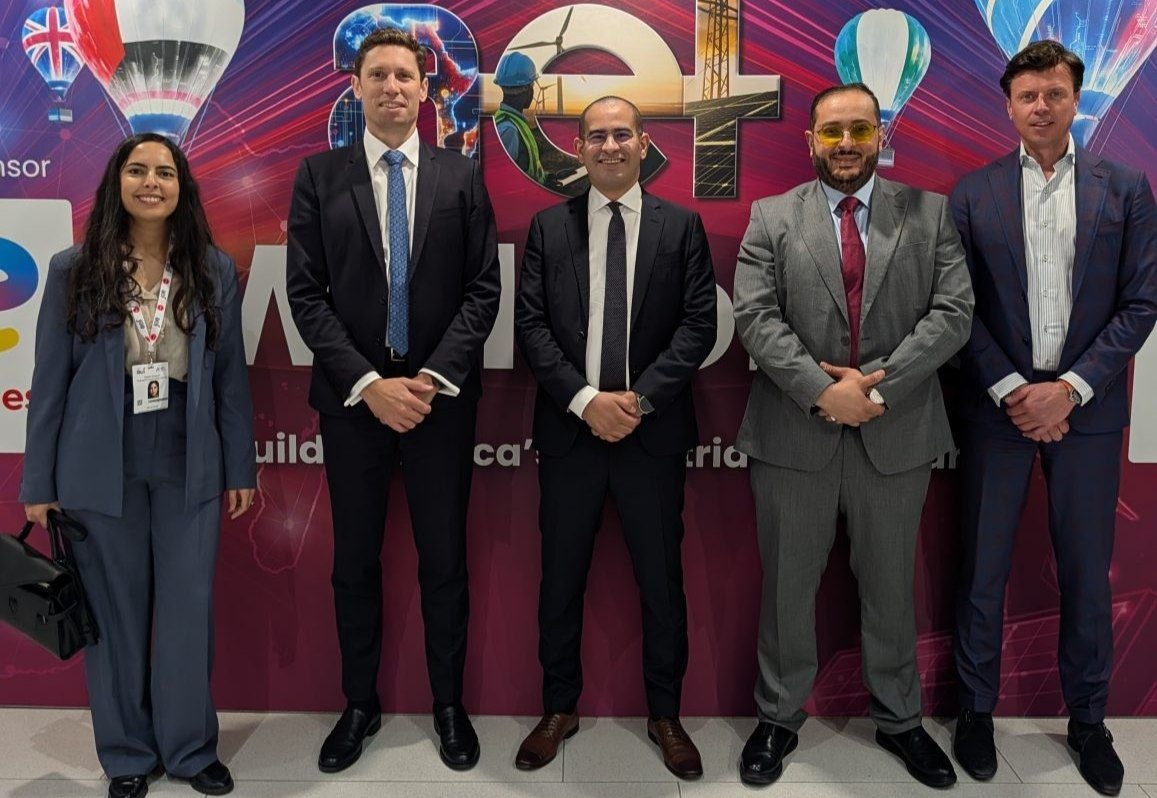
The Corbetti Geothermal Project, a highly anticipated development in Ethiopia’s renewable energy sector, announced that it has secured a new investment agreement. The Private Infrastructure Development Group (PIDG) announced at the Africa Energy Forum currently taking place in Cape Town, South Africa, that it has signed a Convertible Loan Agreement with a company named Taranis Operations Ltd.
This agreement is described as the initial phase of a broader partnership in which Taranis will progressively inject $27 million in the form of investment into the project.
Located in the Corbetti Caldera, approximately 250 kilometers from Addis Ababa, this massive project is uniquely notable as it is one of the few geothermal projects in Africa being developed using private capital.
PIDG, through its development arm InfraCo, has been supporting the Corbetti project since 2015, and the current financial backing from Taranis is viewed as a critical move to accelerate the project’s next phase.
According to a recently released report by IMARC Group, Ethiopia’s renewable energy market will grow by 8.9% annually, rising from $960.9 million in 2025 to reach $2.26 billion by 2034. The country’s current total power generation capacity has reached 9.7 GW, establishing it as a clean energy hub in East Africa.
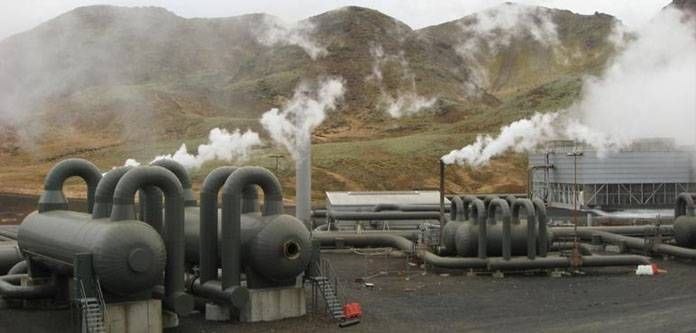
Geological studies indicate that Ethiopia possesses over 10,000 MW of untapped geothermal potential stretched along the East African Rift Valley. Due to high underground volcanic activity within the Rift Valley, at least 24 promising future geothermal sites have been identified.
Although hydropower continues to be the backbone of the energy sector—holding a share of over 90%, particularly with the Grand Ethiopian Renaissance Dam (GERD) currently generating 2,350 MW and the 2,160 MW Koysha project expected to begin operations in 2026—diversifying power options has become crucial to ensuring system sustainability.
In this regard, geothermal developments in the East African Rift Valley serve as a major guarantee for the country’s Climate Resilient Green Economy (CRGE) strategy. In addition to Corbetti, projects led by the government and International Independent Power Producers (IPPs) include Tulu Moye Geothermal and Aluto-Langano.
In a statement sent to Capital, PIDG indicated that once the ongoing exploration drilling is completed, the first phase of the project will include drilling production wells and developing a steam field for a 50 MW power plant.
The second phase aims to generate an additional 100 MW, ultimately contributing a total of 150 MW of clean energy to the national grid, which will create a massive capacity to achieve Ethiopia’s renewable energy goals.
Omar Jabri, PIDG’s Head of Business Development for Africa, commented on the agreement, stating that since Taranis is a company with proven success in the renewable energy sector, bringing its technical expertise and capital will greatly aid the project.
He added, “Harnessing the potential of geothermal energy to provide reliable and sustainable baseload power to Ethiopian homes and businesses has been a long-standing priority for us; we are delighted to reach this critical milestone today with our partners.”
On his part, Emmanuel Colombel Taranis CEO pointed out that the Corbetti project is a platform where their company can add significant value. “By overcoming complex technical challenges and accelerating project development, we are working to expand reliable, low-carbon energy supply in Ethiopia,” the CEO said, describing Corbetti as a perfect showcase of how geothermal energy can improve energy access for citizens and businesses in East Africa.
It was noted that this loan agreement could create additional substantial capacity for the country’s renewable energy market, which is estimated to reach $2.26 billion by 2034.