The 2026 World Cup and Current Betting Market Trends
The 2026 World Cup has brought major changes to online betting markets, from live odds movement to wider market coverage. Here is what is happening in the markets right now and why this tournament differs from previous editions
 Black News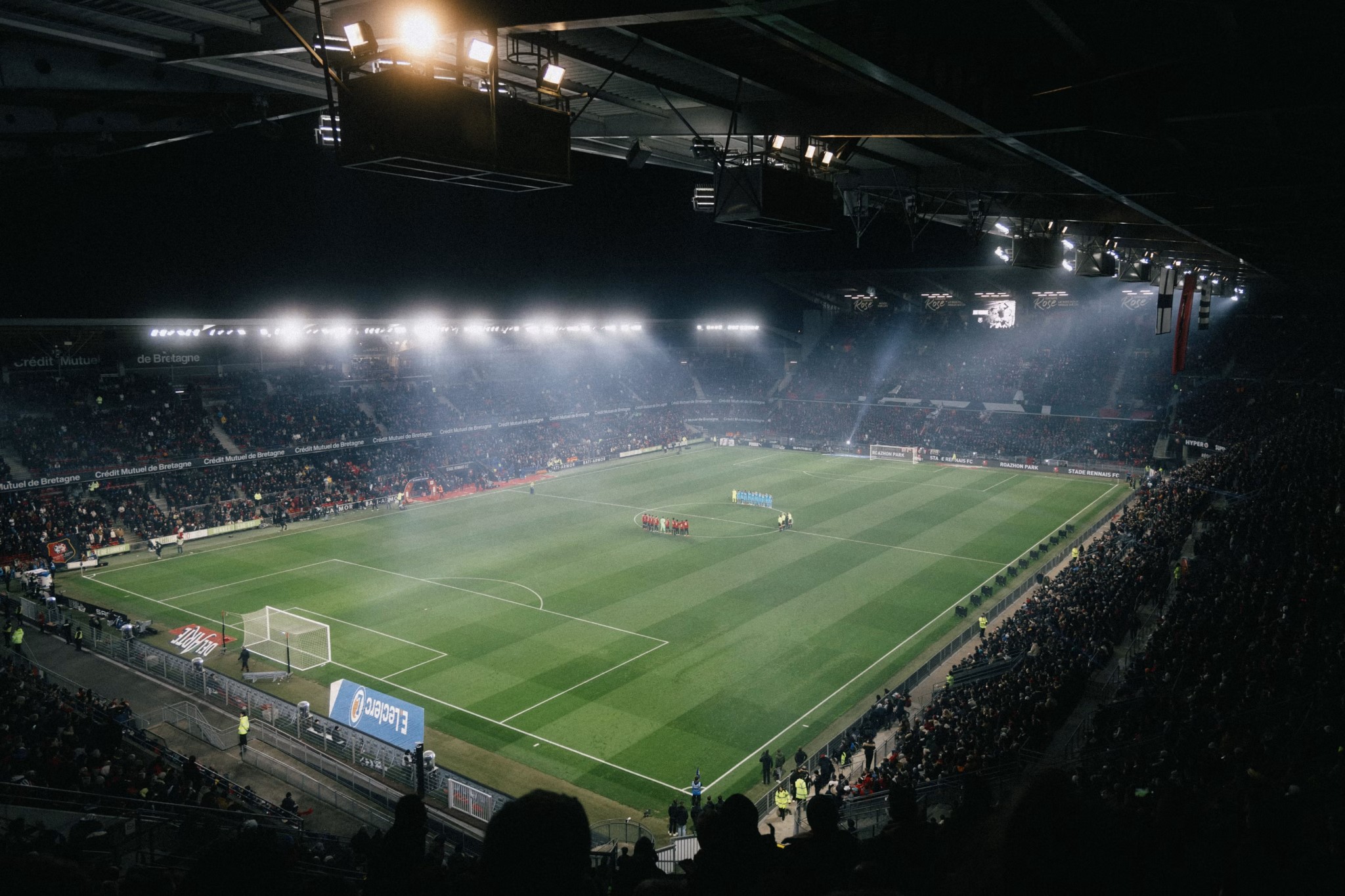
The 2026 World Cup and Key Online Betting Market Trends
The 2026 World Cup kicked off on June 11 with a wider betting market than previous editions. The tournament runs 104 matches across 39 days, and the expanded 48-team format has created broader market coverage than in previous editions. For fans who follow live sport through platforms offering online games in Africa as part of how they engage with football, the scale of what is happening in the betting markets this summer might be worth understanding. It changes how the odds on every match are priced and why certain markets are moving the way they are.
What the Markets Look Like
The outright winner market is more spread out than in several previous editions. The extra knockout round added by the new 48-team format is the main reason. One more match means one more opportunity for a top side to go out, and the maths of that is already reflected in the prices.
The Golden Boot market tells its own story. Kylian Mbappe is priced at +600, Harry Kane at +700, and Erling Haaland at +1400 for his first World Cup appearance. All three remain relevant candidates, and the market has not settled behind any single favourite.
Group stage match lines have been particularly volatile in the 48 hours surrounding each game. Squad news, late injury confirmations, and rotation decisions all reach the market closer to kick-off than they do in club football, because national team coaches are less predictable in their lineup choices than their club equivalents.
Here is a snapshot of where the main outright markets stand at the start of the tournament:
| Market | Current favourite | Odds | Key dynamic |
| Tournament winner | Multiple co-favourites | +440 to +500 | Wider spread than previous editions |
| Golden Boot | Kylian Mbappe | +600 | Three credible candidates within range |
| First team eliminated | Several outsiders | Varies | New format changes expectations |
The spread across the tournament winner market reflects something real about this edition. There is no dominant side the way there has been in some previous tournaments. The expanded format adds another knockout match, which makes the route harder for every favourite. France, Brazil, England, Argentina and Spain all carry strong cases, but each also has questions around injuries, squad balance or depth. That keeps the outright market wider than usual before the first full round of results.
Why This Tournament Changes the Betting Market
The 48-team format changes how group matches are priced. Eight third-placed teams can still advance, so goal difference now matters across all groups, not just inside one section. That may push some teams to keep attacking late in group matches, which can affect over/under lines. Live betting is also expected to grow from 2022 levels because the tournament has 40 extra matches and a longer schedule. For match-winner bets, the key rule stays simple: only 90 minutes plus stoppage time counts, so extra time and penalties do not affect that market.
These are among the main betting markets during the 2026 World Cup group stage:
- Tournament winner outright, which can shift after group stage results
- Match winner three-way line, one of the main single-match markets
- Both teams to score, which historically lands in around 45% of World Cup group games
Across 39 days and 104 matches, World Cup betting markets move like a tournament inside the tournament. Each matchday brings its own rhythm: early lineups, late injury news, first-half momentum, live odds shifts, and reactions from the previous round of games. Treating every day as a separate chapter makes the picture easier to read. A quiet draw in one group can change the value of goal difference elsewhere, while one early upset can move outright prices before the evening fixtures even begin.
That is what makes this edition different from a normal league weekend. The schedule is longer, the format is new, and the market does not wait for the knockout stage to react. By the end of each matchday, the tournament has already rewritten part of its own story.