TotalEnergies Uganda steps up fight against counterfeit lubricants as motorists warned of rising engine risks
In Uganda’s fast-growing transport sector—where boda bodas dominate city mobility, taxis operate on tight schedules, and trucks form the backbone of regional trade—engine oil has become just as vital as fuel. Yet beneath this essential system of movement lies a growing but often invisible threat: counterfeit lubricants that mechanics say are silently damaging engines and […] The post TotalEnergies Uganda steps up fight against counterfeit lubricants as motorists warned of rising engine risks appeared first on Daily Star.
 Black News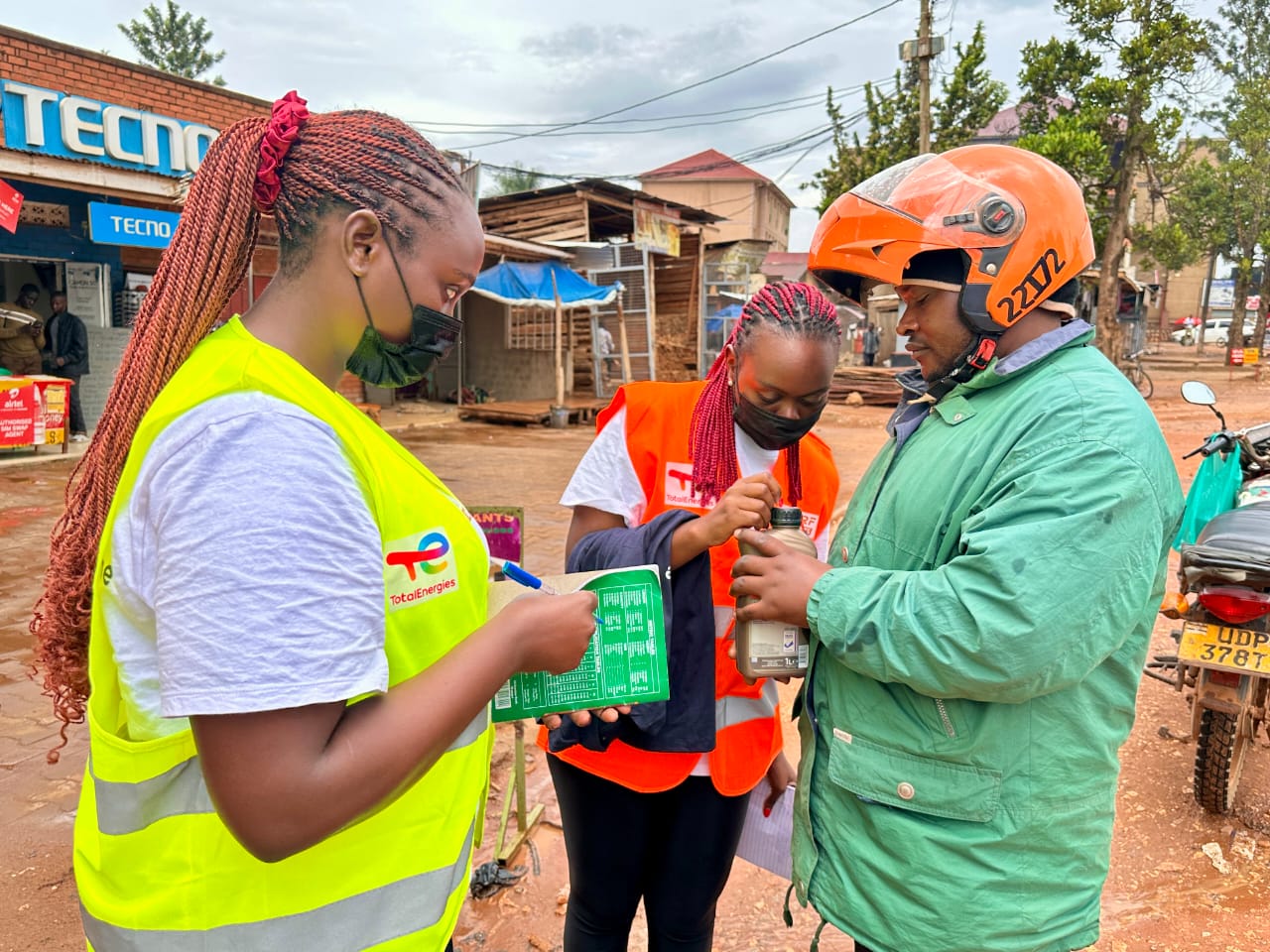
In Uganda’s fast-growing transport sector—where boda bodas dominate city mobility, taxis operate on tight schedules, and trucks form the backbone of regional trade—engine oil has become just as vital as fuel. Yet beneath this essential system of movement lies a growing but often invisible threat: counterfeit lubricants that mechanics say are silently damaging engines and increasing the cost of transport operations across the country.
A nationwide consumer awareness drive by TotalEnergies Uganda, the Wininii Campaign, is now seeking to address this challenge through public education aimed at helping motorists identify genuine lubricants and avoid counterfeit products circulating in both formal and informal markets.
The campaign, which kicked off last week, is focused on practical sensitisation, guiding motorists and riders on where to buy lubricants safely, how to identify authentic packaging, and why using the correct engine oil is critical for vehicle performance, fuel efficiency, and road safety.
Unlike sudden mechanical breakdowns, damage caused by counterfeit lubricants often develops gradually. Vehicles may operate normally for weeks or months before showing warning signs such as overheating, reduced engine power, increased fuel consumption, and eventual breakdown.
According to the Organisation for Economic Co-operation and Development (OECD) and the EU Intellectual Property Office, counterfeit goods account for about 2.5% of global trade, with automotive spare parts and lubricants among the most affected categories, particularly in developing markets.
In Uganda, where transport remains central to daily economic activity, industry players warn that counterfeit lubricants are becoming a serious burden for motorists already struggling with rising maintenance and fuel costs.
“Most of the engine problems we see today are caused by poor-quality or counterfeit oil and parts,” said Agaba Hillary, a mechanic based in Kasangati. “Many drivers buy lubricants because they are cheap without checking whether they are genuine. In the long run, they end up spending much more on engine repairs, overheating issues, and reduced vehicle performance.”
For boda boda riders and taxi operators, such failures translate directly into lost income, missed trips, and higher repair bills—costs that quickly accumulate in a highly competitive transport environment.
Speaking about the campaign, Henry Kamukama, a lubricants mechanical supervisor at TotalEnergies Uganda, said many motorists only discover they have used counterfeit lubricants after suffering serious engine damage.
“Many vehicle owners only realise they have purchased counterfeit lubricants after experiencing engine problems, overheating, excessive fuel consumption, or unexpected breakdowns,” Kamukama said. “Through the Wininii Campaign, we are helping customers understand how to identify genuine products, why the right lubricant matters, and the dangers associated with counterfeit oils.”
He added that counterfeit products often imitate branding and packaging but fail to meet the technical standards required to protect engines under real operating conditions.
Kamukama urged motorists to be vigilant when purchasing lubricants, particularly from informal or unverified vendors where counterfeit products are more likely to circulate.
“Consumers should pay attention to packaging quality, safety seals, labelling, and purchase points,” he said. “Genuine lubricants are manufactured to strict quality standards, but counterfeit products often imitate branding while lacking the protective properties required to ensure proper engine performance.”
The campaign is also encouraging motorists to rely on authorised dealers and verified service points as part of efforts to reduce exposure to counterfeit products in the market.
Mechanics say they are increasingly witnessing engine failures linked to poor-quality oils, with many motorists only realising the cost of counterfeit lubricants after major damage has already occurred.
“People need to understand that the right oil protects the engine and saves money over time,” Agaba said. “But many drivers only realise this after they have already damaged their engines.”
He added that commercial transport operators are especially vulnerable due to pressure to cut operational costs, often at the expense of quality maintenance products.
As part of the Wininii Campaign, TotalEnergies Uganda is also promoting its range of lubricants designed for different vehicle categories.
Hi-Perf is targeted at motorcycles and boda bodas, which operate under high temperatures and heavy daily usage. Rubia is designed for diesel-powered vehicles such as trucks, buses, and taxis that require durable engine protection under demanding workloads. Quartz is developed for petrol-powered vehicles, focusing on engine cleanliness, fuel efficiency, and long-term performance.
The segmentation reflects the diversity of Uganda’s transport ecosystem, where different vehicle types face varying mechanical demands but share a common risk from counterfeit lubricants.
Beyond individual engine damage, stakeholders warn that counterfeit lubricants also pose broader economic and safety risks. Engine failures on highways and in urban traffic can disrupt transport services, increase repair costs, and in some cases contribute to road safety hazards due to sudden breakdowns.
With Uganda’s vehicle population steadily increasing, industry observers say consumer awareness campaigns are becoming more critical in protecting motorists and ensuring road safety.
As part of the campaign, motorists who purchase or service their vehicles using TotalEnergies engine oils can participate by scratching authentication seals and dialing 23644# to verify product authenticity and stand a chance to win prizes.
While the incentive mechanism is designed to encourage participation, the broader goal of the Wininii Campaign remains long-term behavioural change and stronger consumer protection in the automotive lubricant market.
As Uganda’s transport sector continues to expand, industry stakeholders say sustained education, stronger enforcement, and improved consumer vigilance will be key in curbing the circulation of counterfeit lubricants and protecting both engines and livelihoods.
The post TotalEnergies Uganda steps up fight against counterfeit lubricants as motorists warned of rising engine risks appeared first on Daily Star.