Trains roll again after three-day LIRR strike shutdown, preventing commute headaches
The Long Island Rail Road began moving again at noon on May 19, putting an end to a three-day strike that had shut down the nation’s busiest commuter railroad. The post Trains roll again after three-day LIRR strike shutdown, preventing commute headaches appeared first on New York Amsterdam News.
 Black News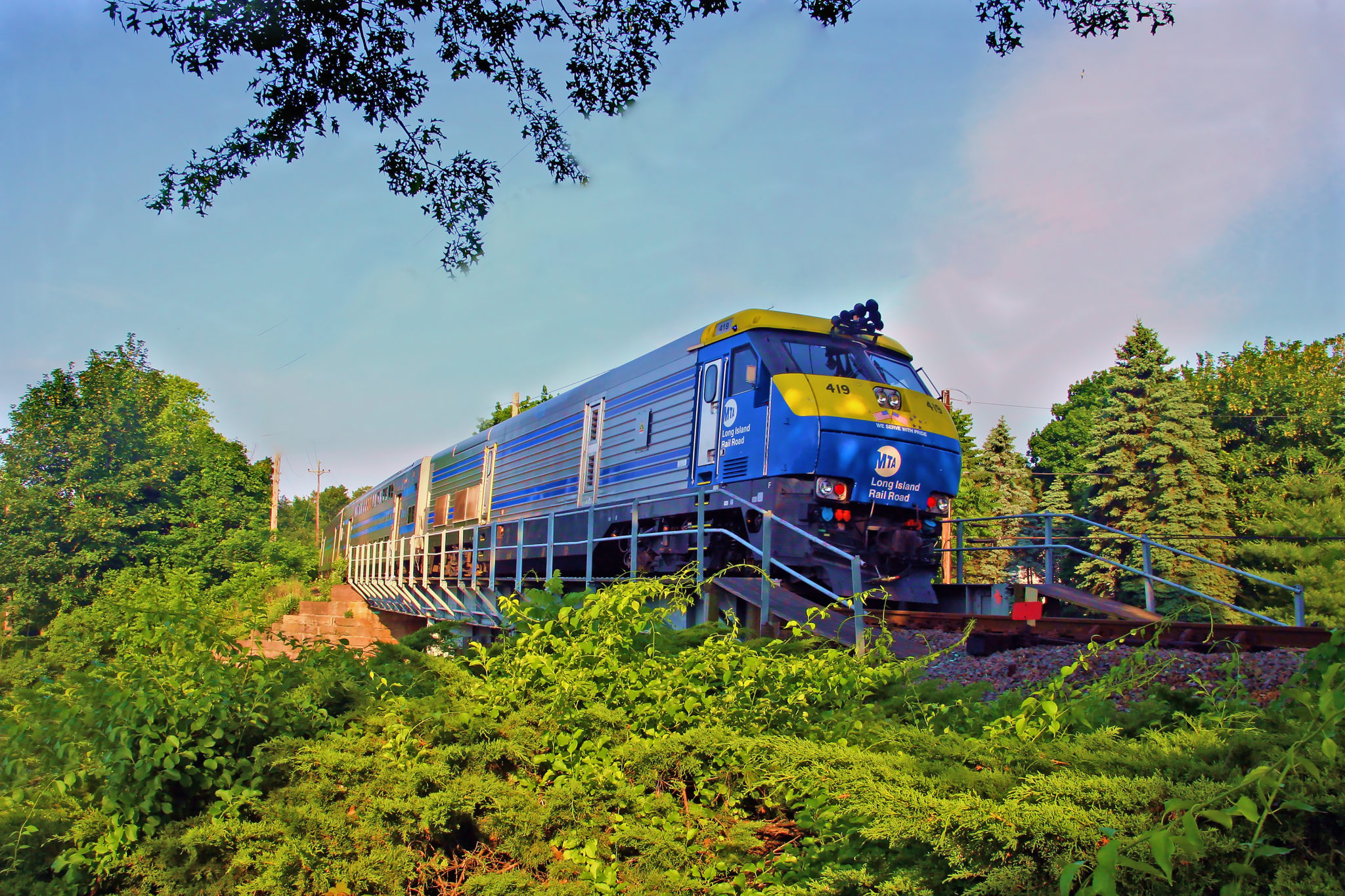

The Long Island Rail Road began moving again at noon on May 19, putting an end to a three-day strike that had shut down the nation’s busiest commuter railroad. By evening rush hour, full service had been restored between Long Island and New York City.
The shutdown ended only after years of bargaining, a federal intervention, and a final round of negotiations. So far, the terms of the tentative agreement reached Monday night have not been disclosed, but they appear to have resolved the main wage dispute that had kept both sides apart.
The walkout began at 12:01 a.m. May 16, after talks between the MTA and a five-union coalition collapsed. The unions involved — the Brotherhood of Locomotive Engineers and Trainmen, Brotherhood of Railroad Signalmen, International Association of Machinists and Aerospace Workers, International Brotherhood of Electrical Workers, and Transportation Communications Union — represent engineers, signal workers, machinists, electricians, and other key rail employees. Their dispute was based on what workers would receive in the last year of a four-year contract.
Union leaders argued that many members had gone years without a raise that kept pace with inflation and the cost of living in the New York City metropolitan area. The MTA said it could not agree to a package that would require future fare hikes or create a new burden on taxpayers.
Labor leaders called the newly minted deal a triumph of rank-and-file resilience. “This tentative agreement was made possible by the unity and solidarity of all five coalition unions,” said Mark Wallace, president of the BLET and the Teamsters Rail Conference. “Throughout these negotiations, our members stood together for a fair agreement that recognizes the dedication and sacrifices railroad workers make every day while keeping pace with the rising cost of living. This was never about seeking more than what is fair — it was about securing the respect and economic security our members have earned. We appreciate the support and patience of the riding public, and now the final decision rests with the membership.”
Other union officials agreed that the settlement proved that collective action and labor withholding turned out to be more powerful than long-drawn-out bargaining sessions.
“Our members stood strong even when that meant economic sacrifice by going on strike. Their resolve and solidarity made it possible to secure an agreement that protects real wages and respects the value of the work performed on Long Island Rail Road every day. We are grateful to the membership for their patience, support and cooperation throughout this process,” said Transportation Communications Union (TCU) National President Matt Hollis.
TCU National Vice President Nick Peluso added that the strike was because of the coalition’s refusal to allow management to split wage increases from workplace protections. “This agreement reflects the principles the Coalition advanced throughout this process and that both Presidential Emergency Boards ultimately affirmed,” Peluso said. “Our members never backed down from what this fight was really about. You kept this railroad moving through all of it, and you deserved an agreement that recognized that.
“From day one, “ he continued, “we said fair wages should not come at the cost of giving away our agreements, and this Coalition stayed together and held that demand on the strike line. This deal gets done because the membership stayed informed, stayed engaged, and stayed united. I could not be prouder of our members.”
Officials refrained from releasing the formal text of the tentative agreement, insisting that union members needed to review the details first through the internal ratification process, but reports are that the final deal could mean a 4.5% wage increase in the contract’s final year, with no added concessions on employee health insurance premiums.
At an early morning media briefing at Jamaica Station shortly before the trains started running again, LIRR President Rob Free repeatedly defended the intricate balancing act it took to end the strike. “I cannot go into the details of the contract, but you know, you negotiate, you go back and forth, and you provide different ideas to make it affordable and acceptable,” Free said. “You want the unions to be able to ratify it with their membership. And as the union said last night, they wouldn’t have accepted the deal if they couldn’t get it ratified, and we wouldn’t have accepted the deal if it would put a burden on the taxpayers in the ridership.”
Free said that the final resolution was not simply about the wage percentage, but about how the full contract package was arranged. “There’s nuances to every contract,” he said. “There’s a financial package, and you work within those elements to make it work for everyone. So as I said earlier, I’m not going to go into the details of it, because there’s a process the unions have to go to their membership and explain it to them, let them explain it to their members first,” Free noted, adding, “So we can get it ratified, because everyone wants it ratified.”
The post Trains roll again after three-day LIRR strike shutdown, preventing commute headaches appeared first on New York Amsterdam News.