Turning the Corner: Ethiopia’s Reforms Open New Investment Opportunities
Ethiopia is entering a new chapter in its economic transformation, as reforms aimed at strengthening the country’s financial system and improving the business environment begin to attract renewed attention from.
 Black News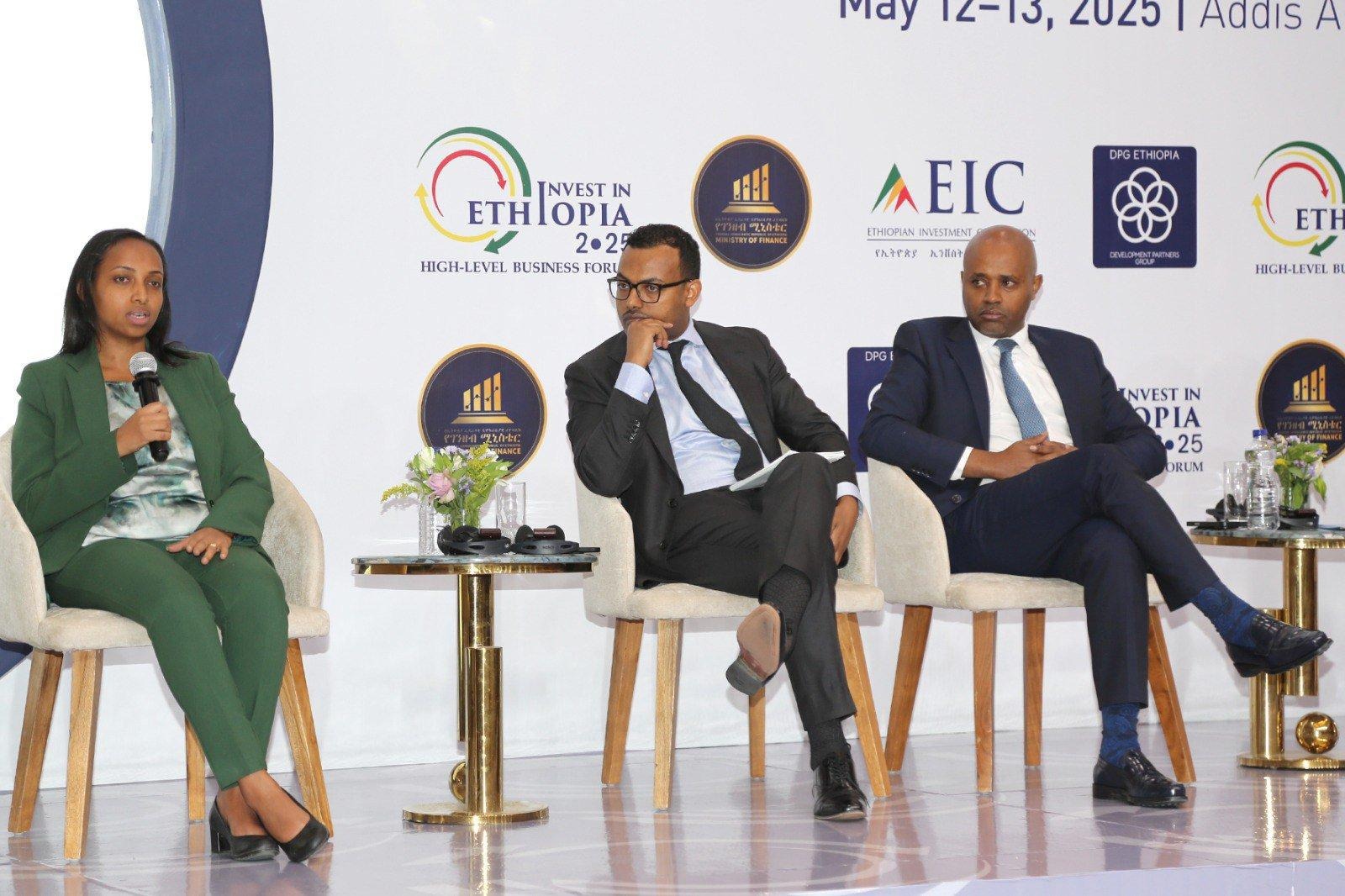
Ethiopia is entering a new chapter in its economic transformation, as reforms aimed at strengthening the country’s financial system and improving the business environment begin to attract renewed attention from international investors.
The latest signal came on September 17, 2026, when the International Finance Corporation (IFC) welcomed Ethiopia’s economic reform programme, highlighting progress in areas including the foreign-exchange market, international reserves and inflation. The assessment points to improving foundations for private-sector investment in one of Africa’s largest economies.
READ ALSO: Mozambique’s LNG Moment: Rovuma Project Moves Closer to a New Investment Phase
The developments are significant because Ethiopia has spent the past two years implementing some of its most substantial economic reforms in decades.
The government has been working to modernise the foreign-exchange system, improve market mechanisms and create greater space for private-sector participation. These changes form part of a wider effort to move the economy towards a more market-oriented model while maintaining the country’s long-term development ambitions.
The World Bank has previously noted that Ethiopia’s reforms have helped ease foreign-exchange shortages, improve trade conditions and support firms seeking to invest and expand.
For investors, foreign-exchange availability is particularly important.
Businesses need predictable access to foreign currency to import equipment, pay international suppliers, service external obligations and repatriate legitimate returns. Improving the functioning of the foreign-exchange market can therefore remove one of the major constraints that previously affected private investment.
The reforms also arrive at a time when Ethiopia is seeking to broaden its economic base.
Agriculture remains central to the country’s economy, but the government is increasingly seeking greater investment in manufacturing, logistics, energy, tourism, mining, digital services and other productive sectors.
The objective is not simply to attract capital but to use investment to expand productive capacity, create employment and increase Ethiopia’s participation in regional and global value chains.
The country’s large domestic market provides an important foundation.
With a population exceeding 120 million, Ethiopia offers businesses access to one of Africa’s largest consumer markets. Its geographic position also gives it strategic relevance as a potential gateway linking East Africa with international markets.
Infrastructure investment further strengthens that potential.
Ethiopia has continued to invest heavily in roads, electricity generation, industrial parks, aviation and telecommunications. Ethiopian Airlines has developed one of the continent’s most extensive aviation networks, while the expansion of telecommunications and digital financial services is creating additional opportunities for private enterprise.
Economic reform can help connect these assets to a more dynamic investment environment.
The IFC’s involvement is particularly noteworthy. The institution has increasingly positioned itself as a partner in supporting private-sector development in emerging markets, providing financing, advisory services and expertise aimed at expanding private investment.
Ethiopia has also been seeking to attract international investors into major infrastructure and development projects. Recent discussions have included aviation, energy and other large-scale investments, reflecting the government’s desire to expand the role of private capital in development.
The reform programme is nevertheless a process rather than a finished transformation.
Improving macroeconomic conditions does not automatically translate into stronger living standards or widespread business expansion. Investors will continue to watch developments in inflation, foreign-exchange liquidity, financial-sector reform and the broader business environment.
The government’s ability to maintain policy consistency will also be important.
For businesses making long-term investment decisions, predictability matters almost as much as the immediate economic environment. Investors need confidence that reforms will be sustained and that regulatory conditions will remain sufficiently stable to support projects with long investment horizons.
Ethiopia’s reform programme therefore represents both an economic opportunity and an institutional undertaking.
The country has already demonstrated its ability to mobilise large-scale public investment. The next phase increasingly requires greater participation from domestic and international private capital.
That shift could have significant implications for employment.
A stronger private sector can expand opportunities for young Ethiopians, particularly if investment flows into manufacturing, technology, agriculture processing, logistics and other sectors capable of creating large numbers of productive jobs.
It could also strengthen exports.
Ethiopia’s ambition to increase foreign-exchange earnings through exports makes industrialisation and agricultural value addition particularly important. Instead of exporting commodities in relatively unprocessed form, greater investment in processing and manufacturing could allow the country to capture more value within its own economy.
This aligns with a broader African development priority: moving from resource extraction towards value creation.
The opportunity extends to regional integration as well.
As the African Continental Free Trade Area develops, Ethiopia’s domestic market can increasingly be viewed alongside the wider continental market. Businesses establishing production capacity in Ethiopia could potentially use the country as a platform for reaching consumers in other African markets.
The reform process therefore has implications beyond Addis Ababa.
If successful, stronger financial markets, improved foreign-exchange mechanisms and a more dynamic private sector could contribute to Ethiopia’s emergence as an increasingly important investment destination in East Africa.
But the greatest measure of success will ultimately be whether reform translates into productive investment, jobs, exports and improved economic opportunity.
The latest positive assessment from the IFC provides an important signal that Ethiopia’s economic changes are gaining international attention. The World Bank has also previously documented improvements in areas affected by the reform programme.
For Ethiopia, the task now is to consolidate those gains.
The country has significant assets: a large population, substantial agricultural potential, growing infrastructure, an expanding digital economy and a strategic position in East Africa. Combining those advantages with stronger economic institutions could create a more diversified and competitive economy.
The transformation will not happen overnight. But the direction of reform is creating new possibilities for private investment and economic expansion.
For Africa, Ethiopia’s experience also offers a broader lesson: economic transformation depends not only on the resources a country possesses, but on the policies, institutions and investment environment that determine how effectively those resources are converted into productive opportunity.
Ethiopia’s next chapter will be shaped by how successfully it turns reform momentum into sustainable private-sector growth.
For investors watching Africa’s changing economic landscape, that process is increasingly one to follow closely.




![Suspected bandits attack security base, cart away properties in Oyo [PHOTOS]](https://dailypost.ng/wp-content/uploads/2026/09/gunmen-.jpg)