“What You Know About That?”: The Isley Brothers Turn Congo Square Into a Cross-Generational Celebration at Jazz Fest
[…] The post “What You Know About That?”: The Isley Brothers Turn Congo Square Into a Cross-Generational Celebration at Jazz Fest first appeared on SHEEN Magazine.
 Black News

“What do you know about that? You don’t know nothing about that but your grandmother does.”
That was Ron Isley, joking with a fan in the middle of The Isley Brothers’ set at the Congo Square Stage during the final day of week one at the New Orleans Jazz & Heritage Festival. The line drew laughs, but it also captured exactly what made the performance so effective.
The Isley Brothers were not simply headlining a stage. They were reminding a crowd of nearly 10,000 people that their music has lived long enough to belong to more than one generation at once.
That was the power of the set.
The audience was diverse, interracial, energetic, and fully engaged as the group moved through songs that still carry enormous cultural weight. And that weight felt even deeper because the Isleys have recently celebrated 70 years in music. But what made the moment special was not just the milestone itself. It was the fact that Ron and Ernie Isley are still on the road, still working, and still able to command a crowd with this kind of authority.

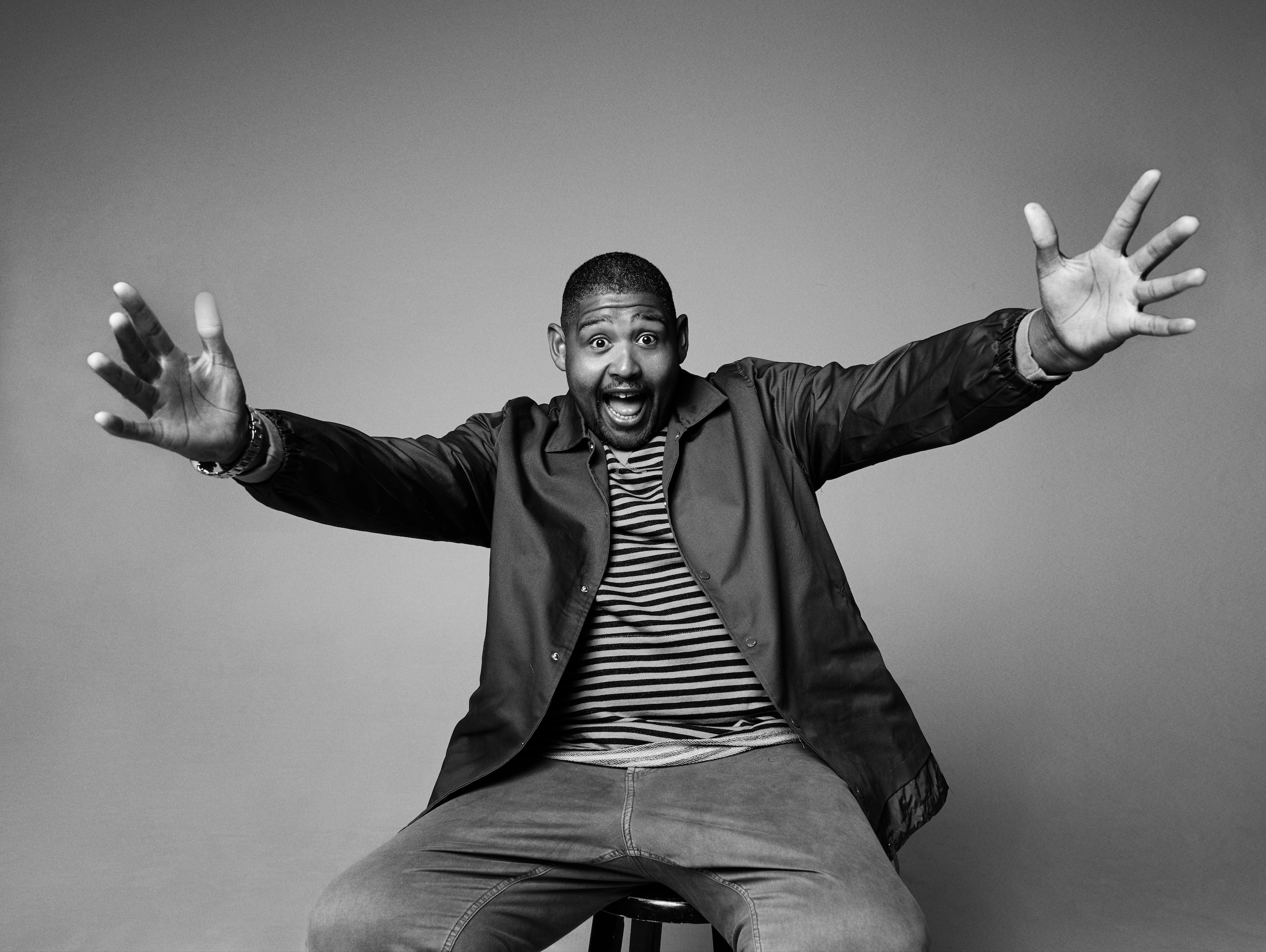
Images By: Malik Morris
There was also a spiritual tone to the night. At one point, Ron Isley made it clear that God has always been at the center of their career, and he spoke with gratitude for the kind of impact their music has been allowed to make over time. That gave the set a different kind of depth. It made the performance feel like more than longevity. It felt like purpose.
Ron carried the room with his voice, humor, and unmistakable presence. But Ernie Isley brought another layer of force. If Ron was the public face of the moment, Ernie was the quiet storm inside it. His guitar solos did the talking between songs, especially during “Who’s That Lady,” where his playing brought both fire and feeling to the stage. That same musicianship carried into their tribute through “Joy and Pain,” honoring Frankie Beverly in a way that felt natural, soulful, and deeply connected to the crowd. Ernie’s presence was a reminder that the Isley legacy has always lived not only in the vocals, but in the musicianship that gave the music its staying power.
The production of the show also deserves credit. What made the performance culturally relevant was not only the songs, but the care put into how the show was presented. The choreography was strong, the musicians were sharp, and dancers moved across the stage throughout the set, helping keep the show visually alive. It was clear that real thought, time, and creative effort had gone into making sure the performance still felt attractive and engaging, even as the group performs at a later stage in life. Nothing about the set felt lazy or mailed in. It felt intentional.

Images By: Malik Morris
That intention was especially clear when the Isleys pulled from their classic catalog with “Footsteps in the Dark” and “Between the Sheets.” But what made those moments hit even harder was the way the crowd also felt the life those songs took on in later generations of music. “Footsteps in the Dark” naturally brought listeners into the world of Ice Cube’s “Today Was a Good Day,” while “Between the Sheets” carried the familiar cultural connection to The Notorious B.I.G.’s “Big Poppa.”
That is what gave the set its deeper significance.
The Isley Brothers were not just performing old hits. They were showing how their music became part of the blueprint for what came after them. Their catalog did not stop with soul and R&B. It stretched into hip-hop, into samples, into reinterpretations, and into the ears of younger listeners who may have first encountered those melodies through another artist before learning where they came from.
At Congo Square, all of that came together in one place.
And the audience was so captivated that the night even created its own surprise. At one point, the demand from the crowd became so strong that the Isleys were pulled into performing “Contagious,” even though it did not feel like a fully settled part of the original flow. The crowd kept singing and calling for it until the moment took on a life of its own. It became one of those live-show decisions where the people shaped the set in real time. If they wanted it, the band was going to do it.
That spontaneity said a lot about the hold their music still has.
What could have been a straightforward legacy performance instead became a live demonstration of how Black music moves across time. Some in the crowd knew the originals by heart. Others knew the songs through samples and reinterpretations. But by the end, everybody was in the same place.
That is why Ron Isley’s joke landed so well.
It was funny, but it was also true. The set itself became a reminder that some music belongs to the grandparents, the parents, and the grandchildren all at once.
And that is what made the final day of week one at Congo Square feel so rich.
The Isley Brothers did not simply close out the stage with nostalgia. They showed how legacy really works not as something frozen in the past, but as something that keeps expanding, influencing, and bringing people together.
By the end of the performance, the crowd had been left with more than a good time.
They had been left with the feeling of watching the cultural foundation in motion.
The post “What You Know About That?”: The Isley Brothers Turn Congo Square Into a Cross-Generational Celebration at Jazz Fest first appeared on SHEEN Magazine.