Why ECOWAS is losing grip on military coups in West Africa
The growing wave of military coups across West Africa may no longer be something the Economic Community of West African States (ECOWAS) can easily stop, according to one of the bloc’s top security officials, who says global power shifts have dramatically weakened the regional body’s influence.
 Black News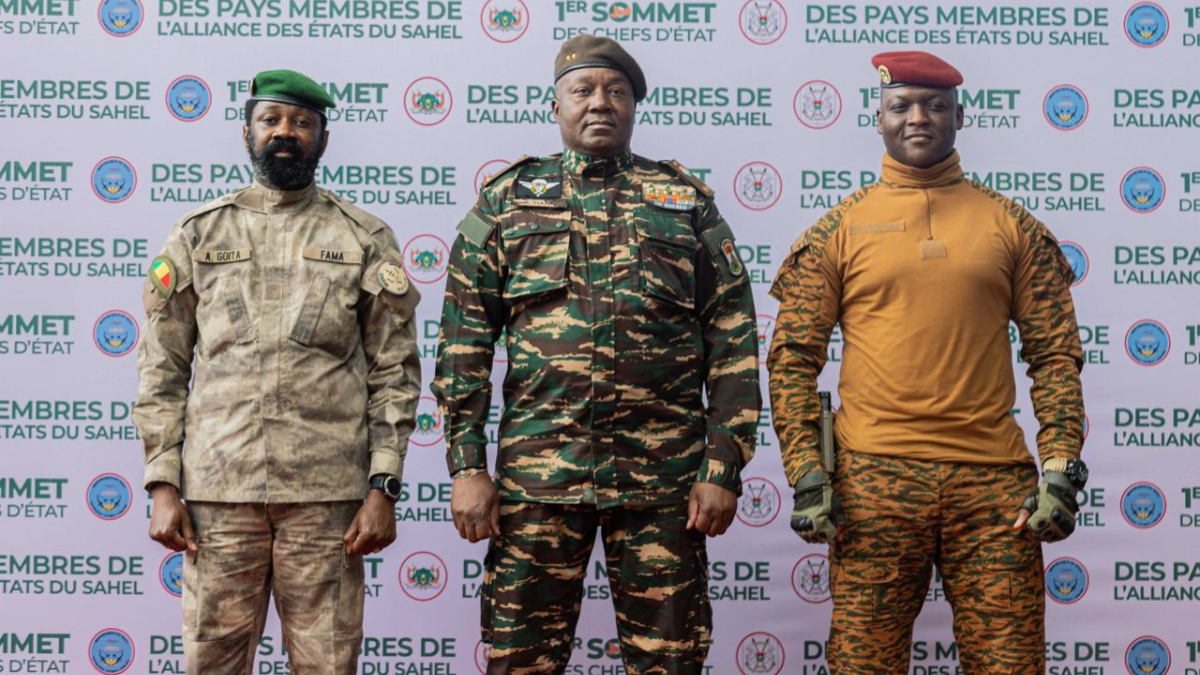
![Burkina Faso, Mali and Niger are partnering with Russia to develop the Sahel’s first shared telecommunications satellite, aiming to boost digital connectivity, security and regional economic integration. [X, formerly Twitter]](https://ocdn.eu/pulscms/MDA_/f33a890c313cf6c317a7db4bb6ce40f0.jpg)
The growing wave of military coups across West Africa may no longer be something the Economic Community of West African States (ECOWAS) can easily stop, according to one of the bloc’s top security officials, who says global power shifts have dramatically weakened the regional body’s influence.
- ECOWAS says shifting global power dynamics are making it harder to stop military coups in West Africa.
- Ambassador Abdel-Fatau Musah argued that the era when ECOWAS could easily pressure juntas into restoring democracy is over.
- He linked the growing challenge to the emergence of a multipolar world shaped by competing powers, including China and Russia.
- Musah also urged West African citizens, women, and young people to play a stronger role in defending democracy.
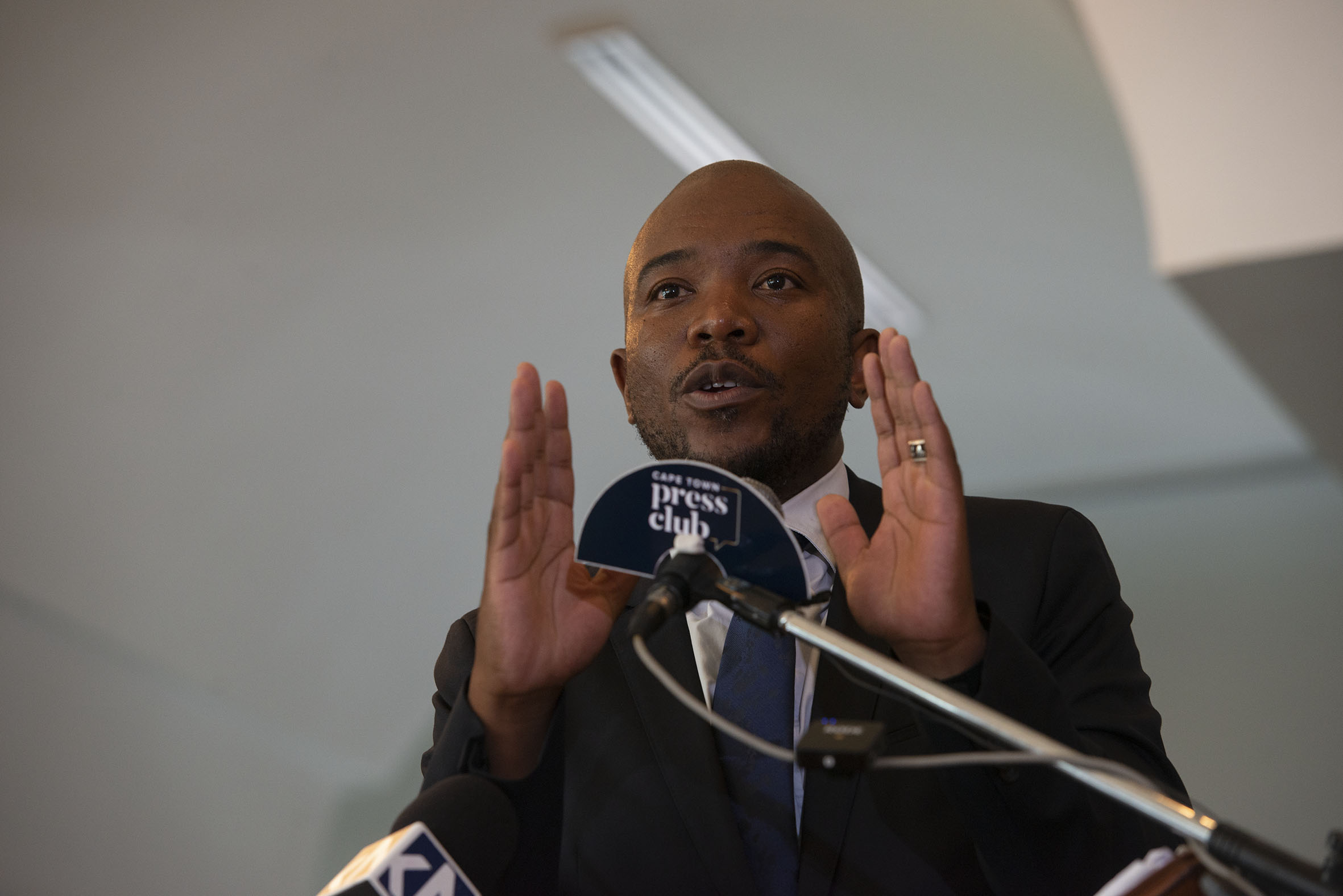
Ambassador Abdel-Fatau Musah, ECOWAS Commissioner for Political Affairs, Peace and Security, warned that the organisation’s traditional methods of forcing military regimes back to civilian rule are becoming increasingly ineffective under today’s multipolar world order.
Speaking during regional consultations ahead of a planned summit on the future of West African integration, Musah responded to concerns from ECOWAS parliamentarians over the repeated military takeovers that have shaken countries including Mali, Burkina Faso, and Niger in recent years.
According to him, ECOWAS once possessed enough diplomatic and political influence to quickly isolate coup leaders and compel them to restore democratic rule. But that leverage, he argued, has weakened significantly as global powers now compete for influence across Africa.
Musah pointed to Mali’s 2012 coup as an example of a time when ECOWAS interventions still carried considerable weight.
Following the overthrow of the Malian government, ECOWAS moved swiftly to pressure the junta, helping establish a transitional arrangement that eventually led to elections and the emergence of Ibrahim Boubacar Keïta as president in 2013.
“At that time, the threat of force alone was enough to bring any coup-hit nation back to the fold,” Musah said.
How global powers reshaped coups
![The United States is recalibrating its Sahel strategy as it seeks renewed engagement with Mali, Niger and Burkina Faso. [Getty, X, formerly Twitter and AI]](https://ocdn.eu/pulscms/MDA_/847af46c4dd0bbff08043d5b953c6516.jpg)
He explained that the geopolitical environment was different then because the United States largely dominated global affairs, while China’s economic influence in Africa remained limited, and Russia was still recovering from the collapse of the Soviet Union.
“If ECOWAS said you are suspended and must hand over power, there was practically nowhere else for coup plotters to turn,” he said.
But Musah argued that the situation changed after the 2011 overthrow and killing of former Libyan leader Muammar Gaddafi, a development he described as a turning point for Africa’s geopolitical landscape.
“That is when multipolarity dawned on Africa. Today, if soldiers stage a coup, one global power may oppose it while another may quietly support it,” he said.
The commissioner said those competing international interests now make it harder for ECOWAS to enforce democratic norms through sanctions, diplomatic isolation, or threats of intervention alone.
As a result, Musah stressed that defending democracy in West Africa can no longer depend solely on regional institutions.
Instead, he argued that citizens themselves must become more actively involved in protecting democratic governance and resisting unconstitutional changes of government.
Despite the region’s growing political instability, Musah insisted that democracy should not be viewed as a foreign concept imposed on Africa.
“Africa had democracy long before the slave trade,” he said, adding that women historically played influential leadership roles across many West African societies.
He maintained that the region’s challenge is not whether democracy fits Africa, but how democratic systems can better respond to local realities, economic frustrations, and the aspirations of young people, who are increasingly disillusioned with civilian governments.