Why More African Australians Should Consider Teaching
3 mins read | By George Green Australian classrooms are becoming increasingly diverse, but is…
 Black News
3 mins read | By George Green
Australian classrooms are becoming increasingly diverse, but is this diversity reflected in the backgrounds of the teachers educating our children?
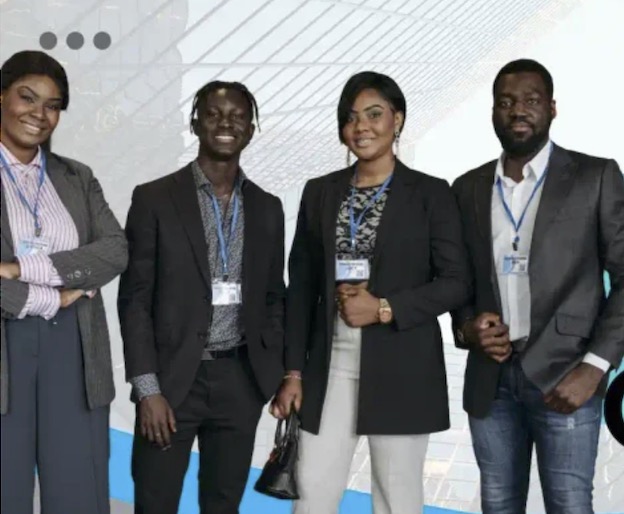
As an African working in the Department of Education, I have become increasingly aware of this question. I believe more African Australians should consider teaching in Australian primary and secondary schools.
Schools help young people develop confidence, understand their identity and imagine their futures. For African Australian students, a teacher from a similar background can strengthen belonging and show that people from their communities can hold positions of influence.
Australia is culturally diverse, with 27.6 per cent of its population born overseas, according to the 2021 Census. However, 82.5 per cent of primary and secondary teachers were born in Australia. These figures do not specifically measure African representation, but raise an important question about how well teaching reflects Australian society.
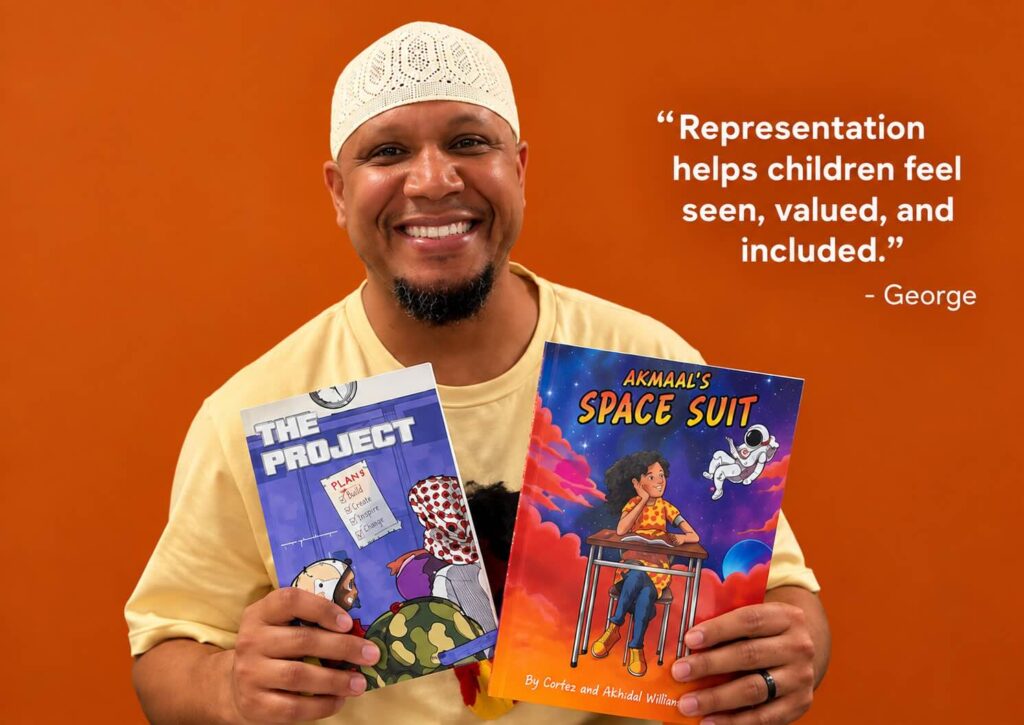
Visit the Little Global People website to find books educational books for Afrokids and more
I often think about Barack Obama becoming President of the United States. For many people, seeing a Black man in such a senior leadership position showed what could be possible and challenged assumptions about who could lead. That same possibility belongs in our schools. When students see African Australians teaching and leading, they can see teaching as a profession open to them too.
Through my work, I have spoken with African students who have mentioned that they have never had an African teacher throughout their schooling. Hearing this has reinforced my belief that more African Australians should enter teaching so future generations can see themselves represented among their educators. This does not mean teachers from other backgrounds cannot inspire African students; many do. It means students should also learn from diverse educators.
I also wish more people understood the labels that form part of the experiences of some African students. They may be identified as African, Muslim, immigrants or members of particular cultural communities. Sometimes, these labels overshadow who they are as individuals. Every student has their own interests, strengths, personality and aspirations. Some may hesitate to seek assessments for learning or attention differences because they worry about receiving another label. Teachers should respect students’ backgrounds and experiences while recognising them as individuals.
Research also supports teacher representation. A 2022 study by Seth Gershenson and colleagues found that Black students assigned at least one Black teacher in Grades K–3 were 9 percentage points more likely to graduate from high school and 6 percentage points more likely to enrol in college. These represented relative increases of 13 per cent and 19 per cent. Earlier research by Thomas Dee (2004), also using Tennessee’s Project STAR data, found that a year with a teacher of the same race increased mathematics and reading achievement by approximately three to four percentile points. Both studies were conducted in the United States, so their findings cannot automatically be applied to Australia. However, they highlight potential educational benefits of teacher representation.

Barriers that may discourage African Australians from considering teaching include limited representation, unconscious bias and racism, limited career guidance, financial and educational barriers, and cultural expectations about success. These barriers will not affect everyone, and many African Australians have entered the profession. However, some young people may not see teaching as a realistic or respected career.
Completing Year 12 is a significant achievement for many African families. We should celebrate it while encouraging young people to consider teaching. Pathways include an approved Bachelor of Education or another degree followed by an approved Master of Teaching. Preparation courses may offer options for people who do not meet university entry requirements. In Victoria, prospective teachers must meet qualification and registration requirements. Scholarships and placement support may also be available; students should check current options with universities and relevant authorities.
Families and communities can help by speaking positively about teaching, sharing pathway information and introducing young people to African Australians already working in education. Schools and education systems must create welcoming workplaces where teachers from diverse backgrounds can enter, feel supported and progress into leadership.
It is time we encouraged more African Australians to consider teaching. Families, communities and schools all have a role in making teaching visible, accessible and respected as a career. We need to encourage young people to explore this pathway and support those who choose it. Imagine the difference it could make for a student to see an African Australian teacher helping shape their education and future. We need to make that possibility a reality.
About the author :
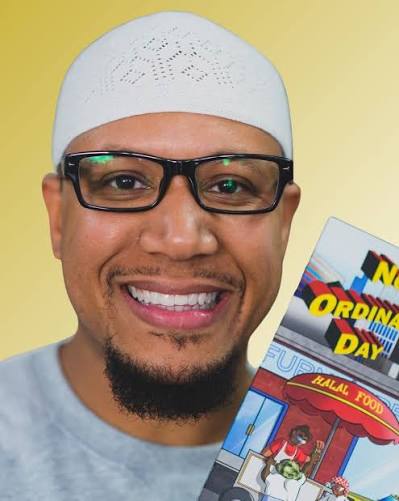
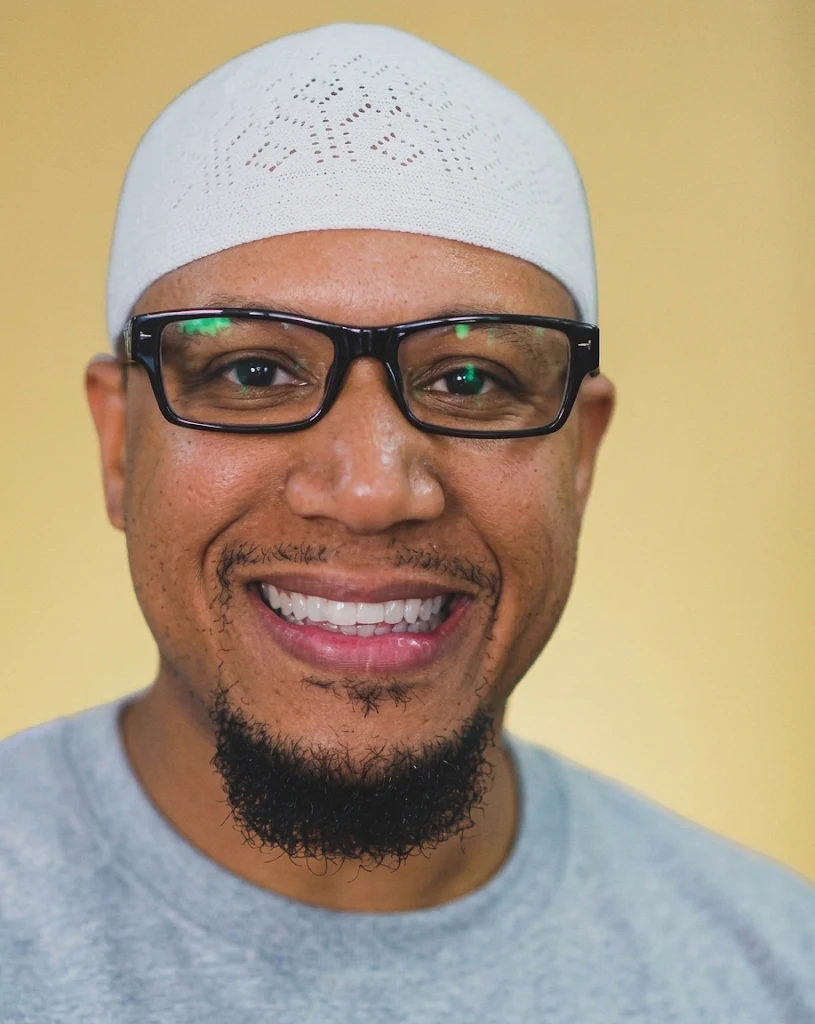
George Green is the founder of the Little Global People. An organisation whose mission is to create educational tools that celebrate culture, diversity, and representation, inspiring children to learn with curiosity, empathy, and a sense of belonging.