Yimeng Xie’s Journey from Economics to Sustainable Fashion
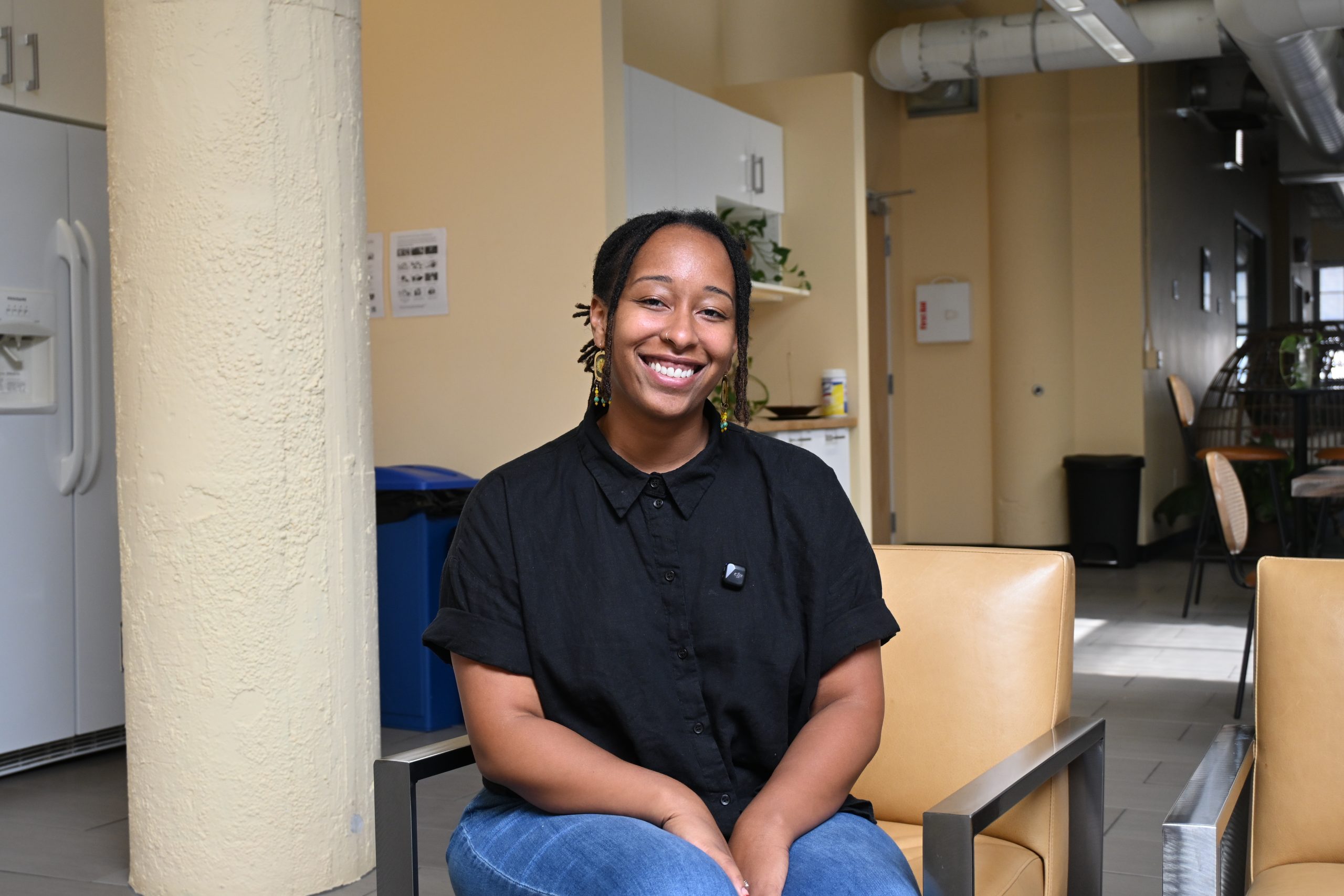
There is a familiar assumption about fashion: that its excitement comes from what is new. New collections, new silhouettes, new seasons, new reasons to buy. But for Yimeng Xie, some of the most interesting possibilities in fashion begin with something that has already been worn, loved, forgotten, or left behind. Her approach to style is…
 Black News
There is a familiar assumption about fashion: that its excitement comes from what is new. New collections, new silhouettes, new seasons, new reasons to buy. But for Yimeng Xie, some of the most interesting possibilities in fashion begin with something that has already been worn, loved, forgotten, or left behind. Her approach to style is less about chasing the next trend than asking a more fundamental question: what if we looked at what already exists differently?
That perspective is the result of an unusual professional journey. Xie has worked across economics, marketing, fashion, and design—fields that might initially seem unrelated, but which she sees as different pieces of the same picture. “Life is connecting dots,” she says. Her education in economics taught her to think in terms of systems, resources, incentives, and the forces that shape markets. Her experience in marketing showed her the power of storytelling in influencing what people value and buy, while fashion gave her a creative language for understanding how products are imagined, designed, and ultimately become part of culture.
That combination eventually led her toward sustainable fashion and toward a broader professional vision through KAN GLOBAL CONSULTING, the company she founded. Today, KAN Global Consulting bridges economics, fashion, and market intelligence to decode industry shifts, consumer behavior, and emerging trends. They provide strategic insights that help brands, businesses, and investors navigate a rapidly evolving fashion landscape—with sustainability at the forefront.

But Xie’s interest in sustainability is not rooted simply in the idea of using “greener” materials. For her, it starts with reconsidering the meaning of value itself. Her work transforming hundreds of discarded garments illustrates that philosophy. “When I encounter an unwanted piece, I won’t immediately think about how to replace it or turn it into something completely different. Instead, I prefer to look for the garment’s ‘DNA,’ which means its silhouette, details, fabric, patterns, and traces of its previous life,” she explained. “I don’t really decide what the garment should become. I let the garment tell me what it wants to become.”

(Photo credit: Yimeng Xie)
“My experience with The RealReal, in which I’ve been involved in circular fashion efforts since 2016, has further shaped this perspective,” Xie added. Resale demonstrates that value can move from one owner to another, while recycling has its own technical and economic limitations. For Xie, redesign offers another possibility: rather than asking only whether a garment can be resold or recycled, ask whether it can be transformed. The objective is not merely to keep clothing out of landfills but to keep its value alive for as long as possible.
That philosophy also explains why Xie does not see sustainability as a restriction on creativity. Working with existing garments introduces limitations—but those limitations can become a source of imagination. Instead of beginning with an unlimited piece of fabric, she begins with something that already has a history, structure, and identity. The creative challenge becomes finding a new expression without erasing what made the original meaningful.

(Photo credit: Yimeng Xie)
For Xie, the future of fashion may therefore depend less on making people want less fashion and more on helping them see more value in the fashion they already have. She believes people can buy more intentionally, repair and restyle what they own, explore resale, and choose pieces they can imagine wearing years from now. Sustainability, in her view, should not mean giving up the pleasure of dressing. It should mean becoming more thoughtful about why something is worth keeping. Through her creative practice and the broader work of KAN GLOBAL CONSULTING, Xie is rethinking that fashion’s next chapter does not always have to begin with something new but may begin by learning how to see what is already there. And perhaps that is where her unusual combination of economics, creativity, a