Zimbabwe billionaire Kudakwashe Tagwirei commits $1 million to evacuate citizens from South Africa
Zimbabwe has enlisted the support of one of its wealthiest businessmen, Kudakwashe Tagwirei, to help finance an emergency operation to bring thousands of its citizens home from South Africa, as mounting anti-immigrant tensions expose the limits of the country’s repatriation capacity.
 Black News

Zimbabwe has enlisted the support of one of its wealthiest businessmen, Kudakwashe Tagwirei, to help finance an emergency operation to bring thousands of its citizens home from South Africa, as mounting anti-immigrant tensions expose the limits of the country’s repatriation capacity.
- Zimbabwean businessman Kudakwashe Tagwirei has pledged $1 million to help repatriate up to 20,000 Zimbabweans seeking to leave South Africa.
- The donation supports Harare’s efforts to expand emergency transport amid rising anti-immigrant tensions.
- The move highlights the growing role of private African billionaires in addressing humanitarian crises.
- It also places the sanctioned businessman at the centre of a major regional migration response.
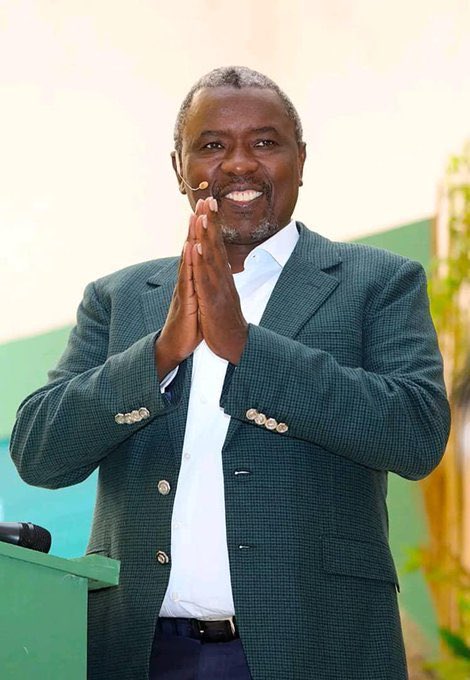
Tagwirei and his wife, Sandra, have pledged $1 million through the Bridging Gaps Foundation to fund the emergency return of up to 20,000 Zimbabweans, with the money expected to finance buses transporting returnees from South African cities to the Beitbridge border crossing and onward to communities across Zimbabwe.
Zimbabwe’s Ministry of Local Government and Public Works formally accepted the donation in a letter dated June 26, requesting the foundation to procure the buses and coordinate logistics for the operation, including transport within South Africa and services at the Beitbridge Border Post.
If fully implemented, the programme would significantly expand Zimbabwe’s capacity to respond to one of the largest waves of voluntary returns from South Africa in recent years.
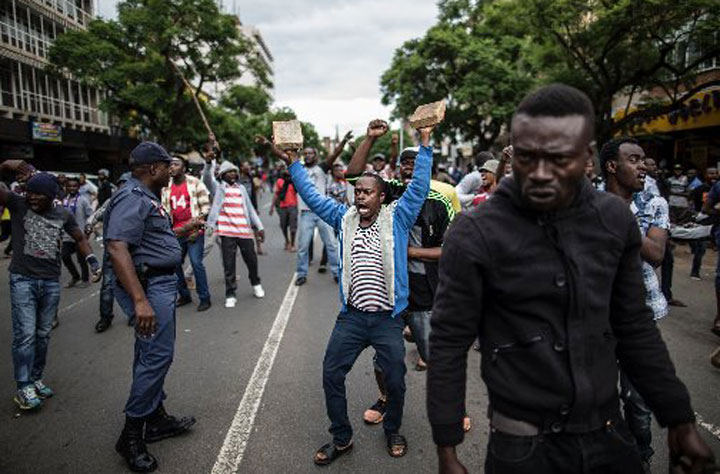
The intervention comes as hundreds of Zimbabweans have gathered outside their country’s consulate in Cape Town, many sleeping outdoors for days while waiting to be processed for government-assisted transport home after fears of violence intensified ahead of an unofficial June 30 anti-immigrant mobilisation.
DON'T MISS THIS: UK leads as Zimbabwe’s top remittance source, overtaking South Africa
Reuters reported that authorities in Cape Town began relocating stranded migrants to temporary accommodation as pressure mounted on diplomatic missions and immigration authorities.
The crisis has spread beyond Zimbabwe. Malawi, Mozambique and several other African countries have also mobilised assistance for citizens seeking to leave South Africa, highlighting how renewed anti-immigrant sentiment in Africa’s most industrialised economy is increasingly becoming a regional humanitarian and diplomatic challenge.
Private wealth fills a public funding gap
Beyond its humanitarian significance, Tagwirei’s pledge illustrates a broader trend emerging across Africa, governments facing fiscal constraints are increasingly relying on wealthy entrepreneurs and corporate foundations to help finance emergency interventions traditionally led by the state.
Zimbabwe’s appeal for assistance from development partners, churches and the private sector before Tagwirei’s donation underscored the scale of the logistical challenge confronting authorities.
His contribution immediately strengthens the government’s transport capacity without requiring additional public expenditure. The episode also reflects Zimbabwe’s deep economic ties with South Africa.
DON'T MISS THIS: Over 2 million South African workers may face consequences for joining June 30 anti-immigrant protests
Millions of Zimbabweans have migrated south over the past two decades in search of work as Zimbabwe battled economic instability, currency crises and high unemployment. Their remittances have become an important source of household income and foreign exchange for families back home.
A sudden increase in returnees therefore presents a dual challenge for Harare: safely transporting citizens while preparing for the economic and social pressures that accompany large-scale repatriation.

A businessman with influence and controversy
Tagwirei, founder of Sakunda Holdings, has built one of Zimbabwe’s largest privately owned business groups, with interests spanning fuel distribution, agriculture, mining, infrastructure and finance.
He has also become one of the country’s most politically influential businessmen through his close association with President Emmerson Mnangagwa’s administration.
That influence has, however, attracted international scrutiny. The United States imposed sanctions on Tagwirei in 2020, followed by the United Kingdom in 2021, over allegations relating to corruption and misuse of public resources connected to Zimbabwe’s Command Agriculture programme and government financing arrangements. Tagwirei has consistently denied wrongdoing.
Despite those sanctions, his philanthropic footprint has expanded steadily. Through the Bridging Gaps Foundation, Tagwirei has financed education projects across Zimbabwe and earlier this year pledged $350,000 towards the rehabilitation of Ingutsheni Central Hospital, the country’s main psychiatric referral hospital.
The foundation has also supported schools affiliated with the Seventh-day Adventist Church, earning international recognition for its education initiatives.
Migration pressures reshape regional politics
South Africa has experienced repeated outbreaks of anti-immigrant violence since 2008, with foreign nationals often blamed for unemployment, crime and pressure on public services despite repeated government appeals for calm.
Successive administrations have condemned attacks on migrants while insisting that immigration enforcement should remain the responsibility of law enforcement agencies rather than vigilante groups.
DON'T MISS THIS:Ahead of June 30 march, Ramaphosa defines his government's stance on illegal immigration
The latest tensions have once again tested relations between South Africa and neighbouring countries whose citizens form a significant share of the country’s migrant workforce.
For Zimbabwe, the immediate priority is humanitarian. But the episode also demonstrates how private capital is increasingly being called upon to address crises that governments alone are struggling to manage.
Whether Tagwirei’s intervention remains an isolated act of philanthropy or signals a broader shift towards greater private-sector participation in regional humanitarian responses could become one of the defining questions emerging from southern Africa’s latest migration crisis.