Africa burns away gas it needs as global flaring hits six-year high
Africa is facing a fresh energy paradox: the world is burning off enough natural gas to match the continent’s annual consumption while millions of people still lack reliable electricity.
 Black News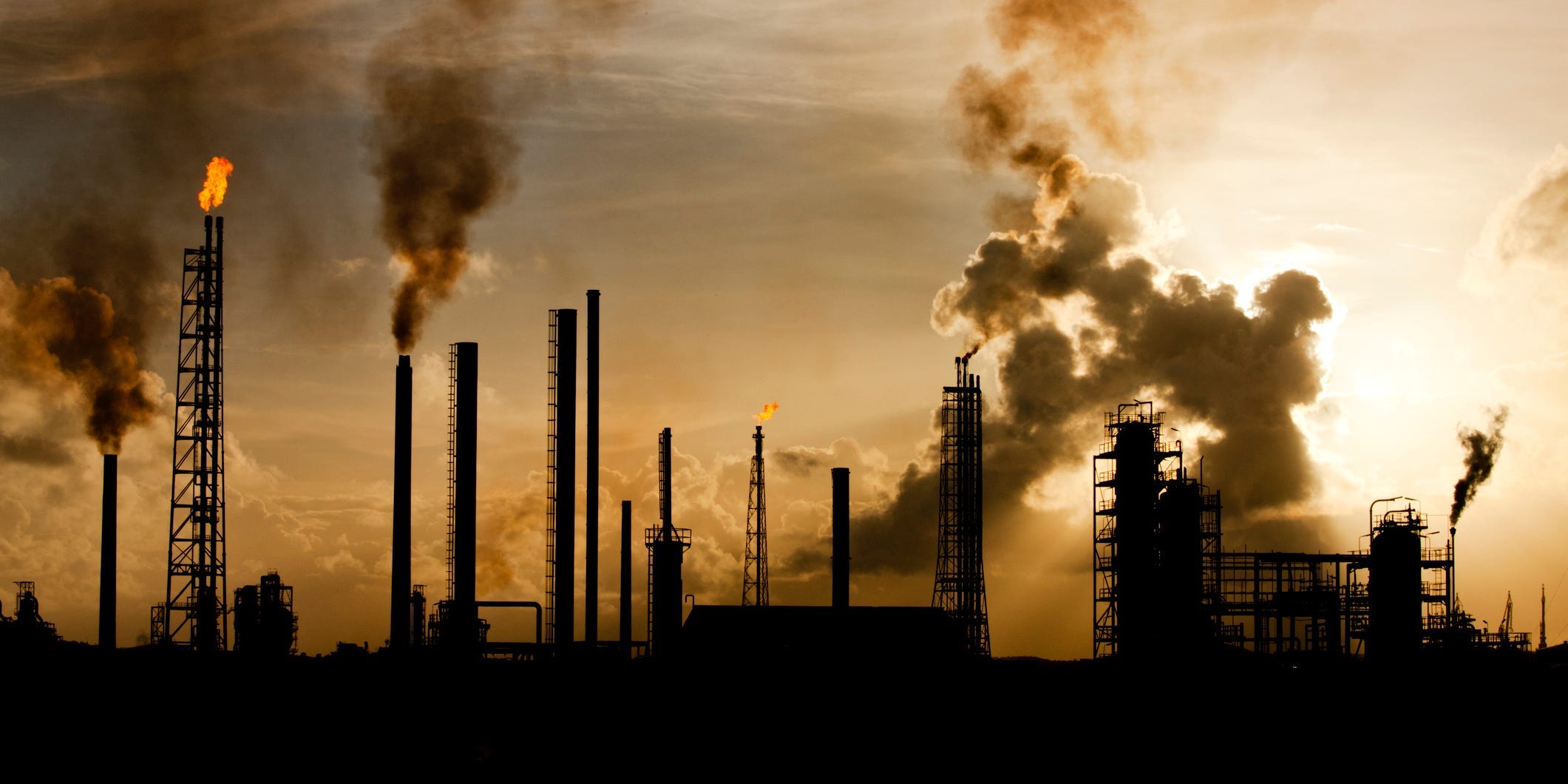
Africa is facing a fresh energy paradox: the world is burning off enough natural gas to match the continent’s annual consumption while millions of people still lack reliable electricity.
- Global gas flaring rose to 167 billion cubic metres in 2025, the highest level since 2019.
- The World Bank said the volume was comparable to Africa’s annual gas consumption.
- The waste comes as millions of Africans still lack reliable electricity.
- The report says the problem is not technology, but weak regulation, poor infrastructure and limited markets.
Global gas flaring rose to 167 billion cubic metres in 2025, the highest level since 2019, according to the World Bank’s June 2026 Global Gas Flaring Tracker Report.
The report said the increase marked the third consecutive annual rise in gas flaring and showed that the world was “moving in the wrong direction.”
Gas flaring happens when oil producers burn associated gas released during crude oil production instead of capturing it for use in power generation, cooking fuel, industry or exports.
For Africa, the figures expose a major contradiction. The World Bank said the amount of gas flared globally in 2025 was comparable to Africa’s total annual gas consumption.
It also came at a time when electricity access remains one of the continent’s biggest economic constraints.
Across Africa, unreliable power continues to raise business costs, weaken manufacturing, reduce productivity and limit job creation.
The report said more than half a billion people in developing countries still lack access to reliable electricity, even as valuable gas is being wasted at oil and gas facilities.
It also noted that electricity outages are associated with a 13.5% reduction in employment across Africa, underlining the economic cost of weak power supply.
This makes gas flaring more than an environmental issue. For African countries, it is also an energy security, industrialisation and investment problem.
Countries such as Nigeria, Libya, Algeria, Angola and the Republic of Congo remain important oil and gas producers, but several continue to face gaps in domestic gas infrastructure, weak electricity systems and limited gas-to-power investment.
The World Bank said associated gas can support electricity generation, clean cooking and small-scale industry if captured and used properly.
“Associated gas can help” with power availability, affordability and reliability, the report said.
It added that liquefied petroleum gas, which can be produced from associated gas, could also support clean cooking and reduce dependence on biomass in many developing economies.
The findings come as the World Bank Group and the African Development Bank continue to push Mission 300, an initiative aimed at connecting 300 million people in Africa to electricity by 2030.
The World Bank has said the programme is mobilising financing and technical assistance to accelerate energy access across the continent.
But the gas flaring data shows that Africa’s energy challenge is not only about finding new fuel sources. It is also about using what is already being produced.
The report said the technologies needed to reduce flaring already exist. These include gas-to-power projects, gas processing facilities, pipeline connections, LPG production and reinjection into oil wells.
However, the World Bank said progress is being slowed by structural barriers, including weak regulation, lack of infrastructure, financing challenges and poor domestic gas markets.
“What is missing,” the report said, is stronger leadership, prioritisation and governance.
Gas that is currently being burned in African oil-producing countries could become electricity, cooking fuel, industrial feedstock and export revenue. But that requires investment in pipelines, processing plants, domestic markets and stronger enforcement.
Without that shift, Africa risks remaining trapped in a cycle where it produces energy resources but fails to convert them into reliable power and jobs.