Africa’s lithium powerhouse moves to end direct presidential elections, keep its 83-year-old president in power until 2030
Zimbabwe’s 83-year-old president has moved closer to extending his rule until 2030 after the country’s Senate approved constitutional amendments that would delay the next presidential election and end direct voting for the country’s top office.
 Black News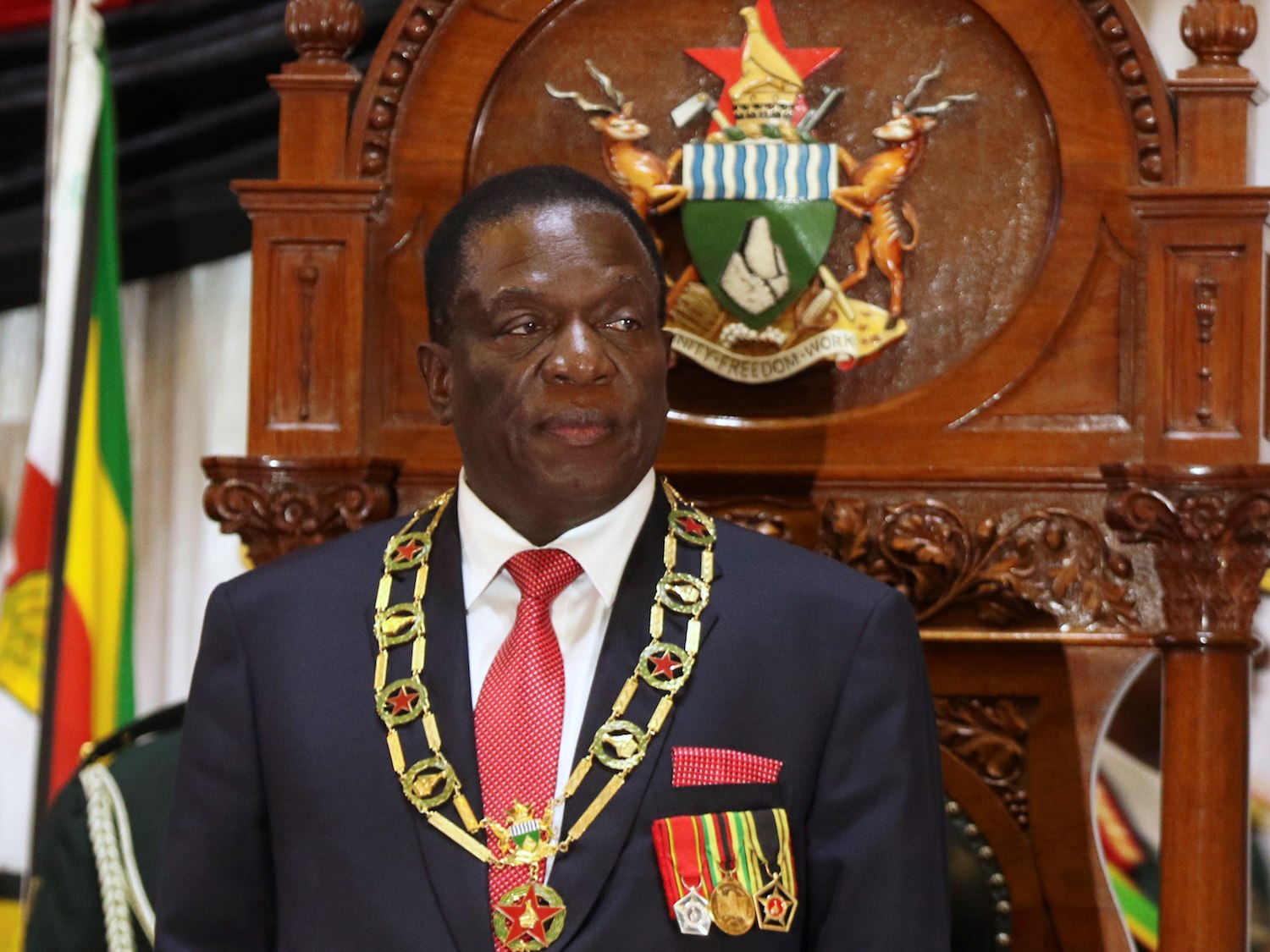

Zimbabwe’s 83-year-old president has moved closer to extending his rule until 2030 after the country’s Senate approved constitutional amendments that would delay the next presidential election and end direct voting for the country’s top office.
- Zimbabwe’s Senate has approved constitutional amendments that could keep President Emmerson Mnangagwa in office until 2030.
- The bill extends presidential and parliamentary terms from five to seven years.
- It also replaces direct presidential elections with selection by lawmakers.
- Critics say the move weakens democracy and follows a wider African pattern of leaders rewriting rules to extend power.
The bill, passed on Wednesday, extends presidential and parliamentary terms from five to seven years. It also postpones elections scheduled for 2028 to 2030 and gives lawmakers, rather than voters, the power to choose future presidents.
Seventy-five senators voted in favour of the bill, while four opposed it. The bill will become law once President Emmerson Mnangagwa signs it.
The changes mark one of the biggest overhauls of Zimbabwe’s political system since the 2013 Constitution, which introduced a two-term presidential limit after decades of rule by Robert Mugabe.
Power shift
Mnangagwa has led Zimbabwe since 2017, when the military helped remove Mugabe after nearly 40 years in power.
He had previously said he would leave office when his second term ends in 2028. But his ruling ZANU-PF party has backed the constitutional changes, arguing that longer terms will support stability, policy continuity and economic planning.
Critics see it differently. Opposition figures, lawyers and civil society groups argue that extending the president’s tenure should require a national referendum.
They also say removing direct presidential elections weakens citizens’ power to hold leaders accountable. Several legal challenges are still before the courts.
The debate has also raised political tensions. Activists and critics of the bill have reported arrests, intimidation and harassment, deepening concerns over shrinking civic space in the southern African country.
Born in 1942, Zimbabwe's current president, Emmerson Mnangagwa, took office in 2017, after the debacle with Robert Mugabe and a subsequent coup.
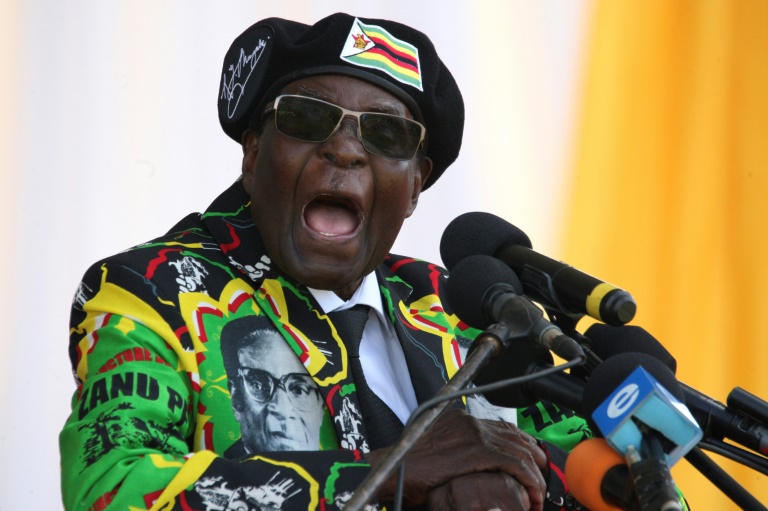
He replaced controversial President Robert Mugabe, who had reigned for 40 years and refused to vacate his position.
Democracy question
Across parts of Africa, ruling parties and sitting leaders have increasingly used constitutional amendments, court rulings and parliamentary majorities to extend their time in power or weaken limits on executive authority.
Uganda removed presidential age limits in 2017, clearing the way for President Yoweri Museveni to continue contesting elections after decades in office.
Rwanda approved constitutional changes that allowed President Paul Kagame to extend his rule beyond previous limits. In Côte d’Ivoire, President Alassane Ouattara won a disputed third term in 2020 after arguing that a new constitution reset the clock on term limits.
More recently, Chad approved changes removing presidential term limits, a move criticised by rights groups as a setback for democratic transition.
Zimbabwe’s case is different because the two-term limit is not being removed outright. Instead, each term is being stretched from five to seven years, while the method of choosing the president is being shifted from citizens to Parliament.
That distinction is central to the government’s argument that the changes are legal. But for critics, the effect is the same: more power is being concentrated in the hands of the ruling party and fewer decisions are being left to voters.
Why it matters
The country is still trying to rebuild investor confidence after years of currency instability, high inflation, debt distress and strained relations with Western creditors.
Zimbabwe has mineral wealth, including lithium, platinum, gold and chrome, making it strategically important as global demand for critical minerals rises. But investors also watch governance, policy predictability and political risk closely.
A longer presidential term may give the government more time to pursue economic plans. But it could also raise fresh concerns about democratic backsliding, institutional independence and whether future elections will offer genuine competition.
For Africa, the bill adds to a wider debate over whether constitutional changes are being used to strengthen governance or protect incumbents.
In a continent with one of the world’s youngest populations, the growing influence of ageing leaders has become a major political question. The issue is no longer just how long leaders stay in power, but how easily the rules can be rewritten when their time is almost up.