Africa’s newest self-declared nation faces a diplomatic setback from 14-state Arab, African coalition
A coalition of Middle Eastern, African, and Asian countries has jointly condemned a controversial diplomatic move by the self-declared Republic of Somaliland, highlighting the mounting international resistance facing the breakaway African region as it intensifies its decades-long push for global recognition.
 Black News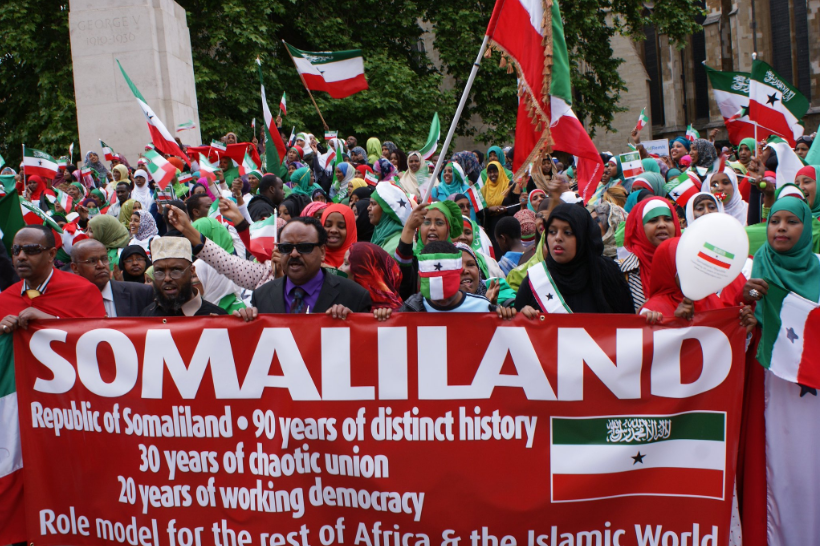

A coalition of Middle Eastern, African, and Asian countries has jointly condemned a controversial diplomatic move by the self-declared Republic of Somaliland, highlighting the mounting international resistance facing the breakaway African region as it intensifies its decades-long push for global recognition.
- 14 countries jointly condemned Somaliland’s reported move to open a diplomatic mission in Jerusalem.
- The coalition reaffirmed support for Somalia’s territorial integrity and rejected Somaliland’s independence ambitions.
- Somaliland has operated as a self-governing region since declaring independence from Somalia in 1991 but remains internationally unrecognised.
- The backlash highlights growing diplomatic resistance as Somaliland intensifies efforts to gain global recognition.
In a joint statement led by Jordan, foreign ministers from fourteen countries condemned Somaliland’s reported decision to open what they described as a “purported embassy” in Jerusalem, calling the move a violation of international law and United Nations resolutions concerning the status of East Jerusalem.
The statement was backed by signatories from Egypt, Saudi Arabia, Türkiye, Pakistan, Indonesia, Djibouti, Somalia, and Sudan.
DON'T MISS THIS: Africa set to welcome its 55th state as Israel grants Somaliland diplomatic recognition
Others included Jordan, Qatar, Oman, Yemen, Lebanon, and Palestine, reflecting a rare coordinated stance spanning the Middle East, Africa, and Asia.
Beyond the Jerusalem issue, the ministers used the statement to reaffirm their support for the sovereignty and territorial integrity of Somalia, rejecting “any unilateral measures” that could undermine Somali unity, a direct rebuke to Somaliland’s long-running independence ambitions.
Somaliland’s decades-long search for recognition
Somaliland declared independence from Somalia in 1991 following the collapse of Somalia’s central government and has since operated with its own government, currency, military, and political institutions.
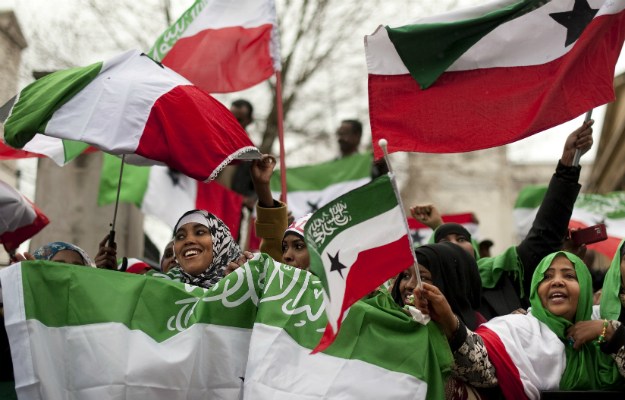
Despite maintaining relative stability compared to much of Somalia, the territory remains internationally unrecognised.
The latest backlash highlights the diplomatic obstacles Somaliland continues to face, particularly as it seeks deeper ties with countries willing to engage outside Somalia’s federal framework.
The region has increasingly pursued international partnerships in recent years, including controversial agreements involving port access, security cooperation, and diplomatic outreach aimed at strengthening its case for statehood.
DON'T MISS THIS: Somaliland offers U.S. exclusive mineral access, military bases in exchange for statehood recognition
Its reported Jerusalem mission appears to have triggered unusually broad international pushback because of the political sensitivity surrounding the status of the city and fears that such moves could indirectly legitimise Somaliland’s sovereignty claims.
For Somalia, the issue touches directly on territorial integrity at a time when Mogadishu is already battling internal security threats, regional tensions, and complex geopolitical competition in the Horn of Africa.
The joint condemnation also illustrates how Somaliland’s quest for recognition is increasingly intersecting with wider Middle Eastern and global diplomatic fault lines, complicating its effort to emerge from international isolation.