Kevin Woo Is a New Kind of Idol
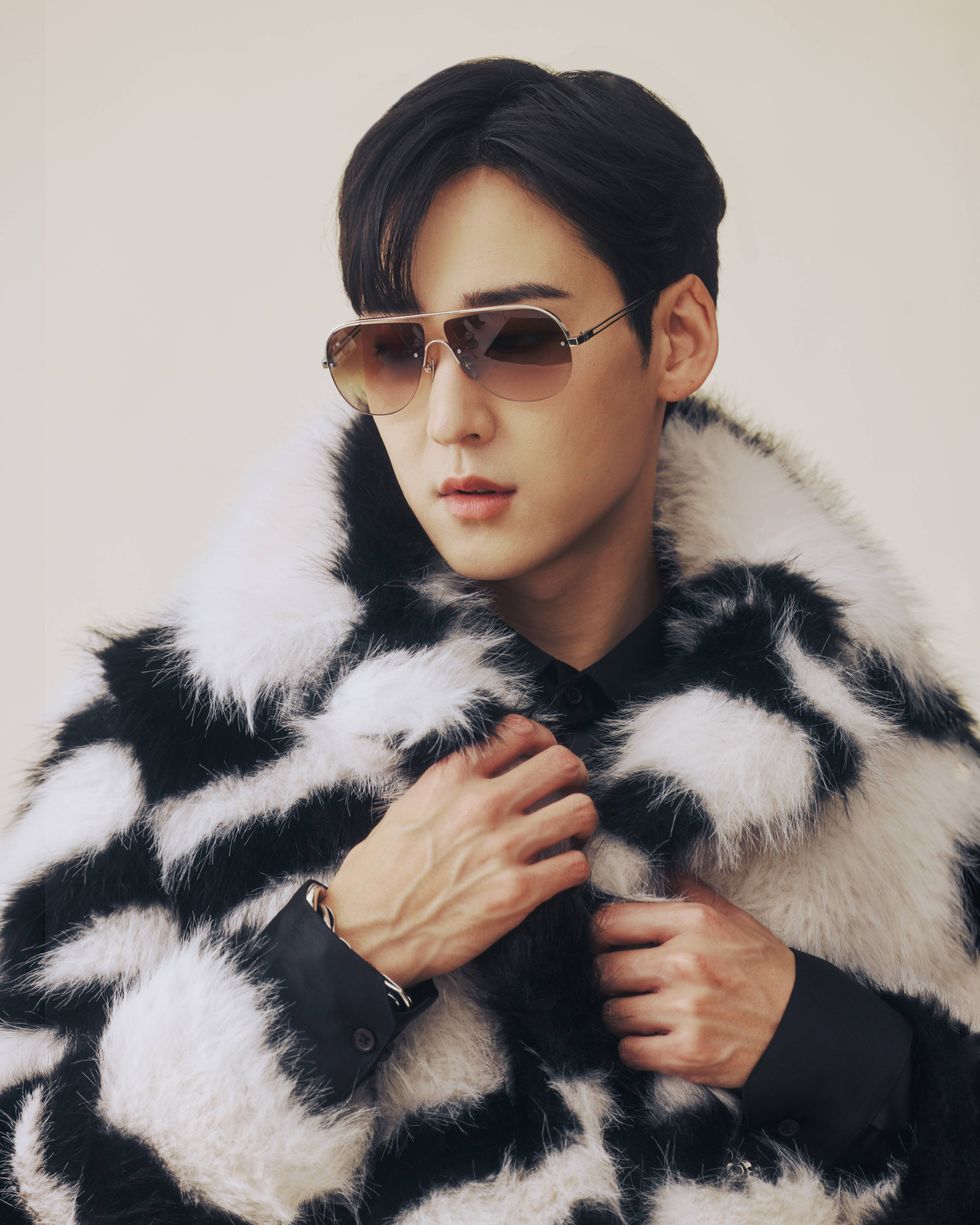
Kevin Woo is the morphing, multimedium artist redefining what it means to be a star. California Bay Area-born, Woo rose to fame as a teenager in Korea. From 2008-2017, Woo made waves in U-KISS, a Korean boy band, spending nearly a decade lighting up stages with choreo and charming fans with his TV hosting skills. Then, his contract ended and he took things solo. He signed with Japan Music Entertainment, and simultaneously sidestepped into theatrical ventures like his role in the Korean adaptation of Altar Boyz. Woo moved back to the states soon after, and continued expanding his stardom across mediums. He helped create a character in Dead By Daylight, a horror video game that also featured new, original music by Woo.Woo made his Broadway debut in 2022 as Jun Hyuk in KPOP. His career singing and dancing adequately prepared him for the greatest stage he’d seen to-date.Last year, Woo made his biggest splash yet, voicing Mystery Saja in the musical movie KPop Demon Hunters. The film went on to become Netflix’s “most watched original animated film of all time.” The movie received sweeping critical acclaim and went on to receive Academy Awards and Grammys alike.Despite Woo’s storied career, as everything from a K-Pop idol to a voice actor to a broadway performer, he’s still just getting started. Woo knows what it takes to not only be an icon and an idol, but to be one whose message transcends medium.Kevin Woo sat down with PAPER to discuss working around the world, his set of core values and working with Anderson .Paak for future projects.How has location affected your creative output? You’ve lived everywhere from the Bay area to Asia to now LA. How have those changes affected you?The environment you’re in affects everything. The way you think, the way you move. The people you’re surrounded by are so important. After living in Seoul for over a decade, I needed to reconnect with my roots. After my K-Pop journey I wanted to expand into the global and American markets. I wanted to know how people think here. It was crucial for me to have a deeper understanding of that. You’ve also worked under different degrees of collaboration in your career. From a K-Pop group to a solo musical career to a large ensemble like K-Pop Demon Hunters. How do you feel about collaboration? At first, it was challenging to navigate putting in groundwork here in the states. The K-Pop system works so differently, and it’s all I knew growing up. I was trailblazing for sure. I don’t think anyone else has done what I’ve done in the past few years. I went from group to solo artist to actor, with so much in-between.The thing that comes with trailblazing is the responsibility to pave a path for others who want to pursue this. So I felt a pressure to succeed on my own. But it also felt refreshing and liberating for me because, coming from the heavily managed K-Pop world, where there’s so many eyes on you, I had the freedom to meet managers and agents and producers who could help me navigate who I wanted to work with. I grew so much as an individual. And taking a step back from the K-Pop world, I realized how I was a multi-talented artist who could choose to do whatever I wanted to do. I could choose the message I wanted to deliver to my audience.What was that message? Identity. Being an Asian American is so important and making myself a good representation meant being the most authentic version of myself. It led me to booking projects. The first thing I booked in the states was KPOP on Broadway. It resonated with me so much, I had theatre experience in Asia, so landing a role on Broadway was a dream come true. The work ethic I got from it opened so many roads for me. It led me to K-Pops, a movie coming to Netflix soon with Anderson Paak. And even K-Pop Demon Hunters. All these projects were K-Pop-oriented, which was me being true to myself. Throughout these varied mediums, from Broadway to video game voice acting, what are the values and principles you make sure you bring to each?The most consistent element across mediums was authenticity. After the global expansion of K-Pop, it felt like there were people trying to make changes to the narrative or Americanize it. I doubled down on doing the opposite. I wanted it to stay true. Keeping Korean lyrics in songs in K-Pop Demon Hunters, for example. I wanted to express certain emotions in the Korean language with the music I made for Dead by Daylight. I wanted to be a bridge between the East and the West. I have American roots in the Bay Area. I wanted to see people like me in the media. And Vice Versa. I was a Korean idol and lived there for 15 years. I wanted to keep that identity when I came back to America.I think that comes across. As proven by the accolades your work has received. Do you pay attention to that kind of recognition? I think all the awards and nominations are incredibly important and necessary. Being part of these projects is deeply gratifying. But I don’t want to rely too much on it.
 Black News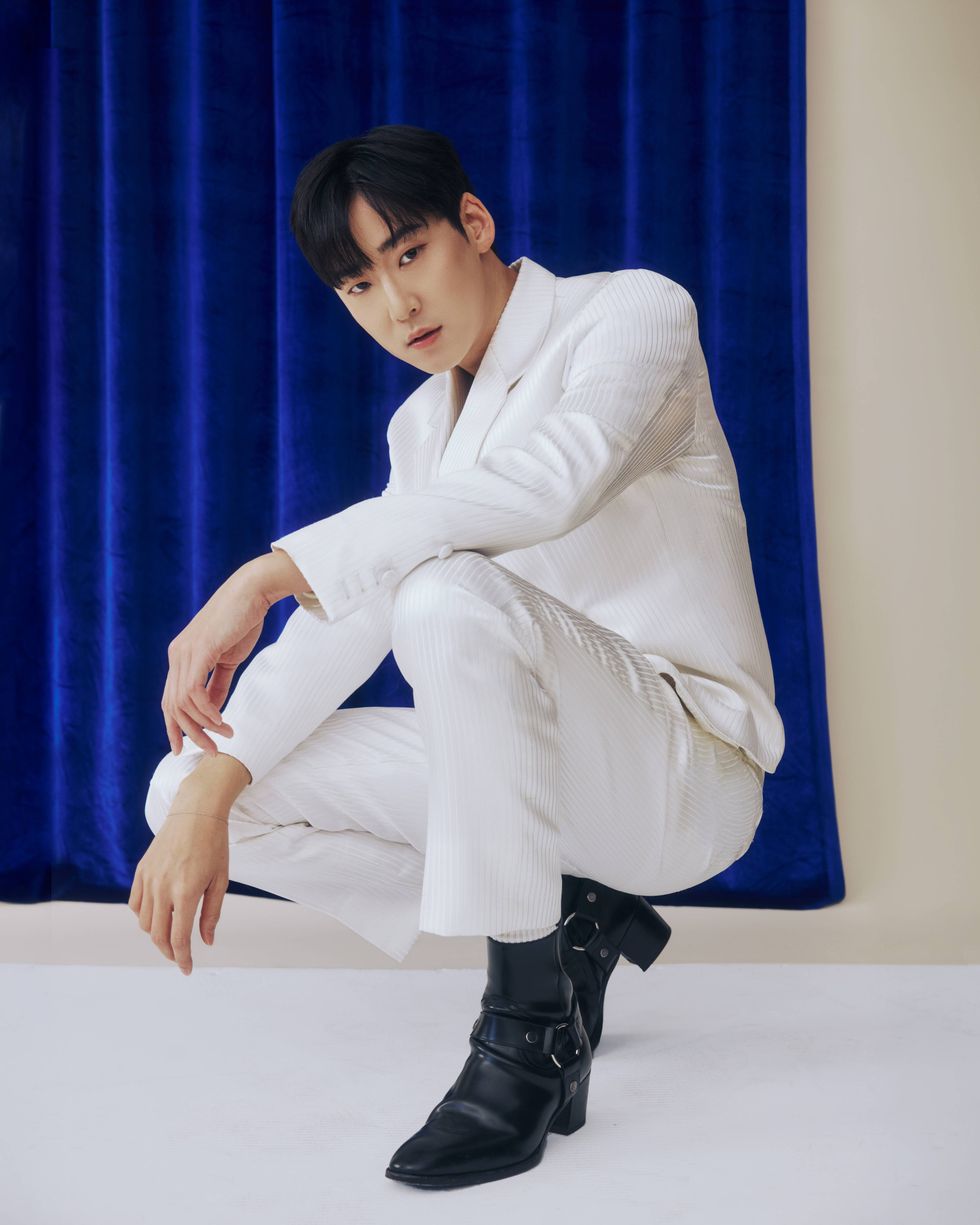

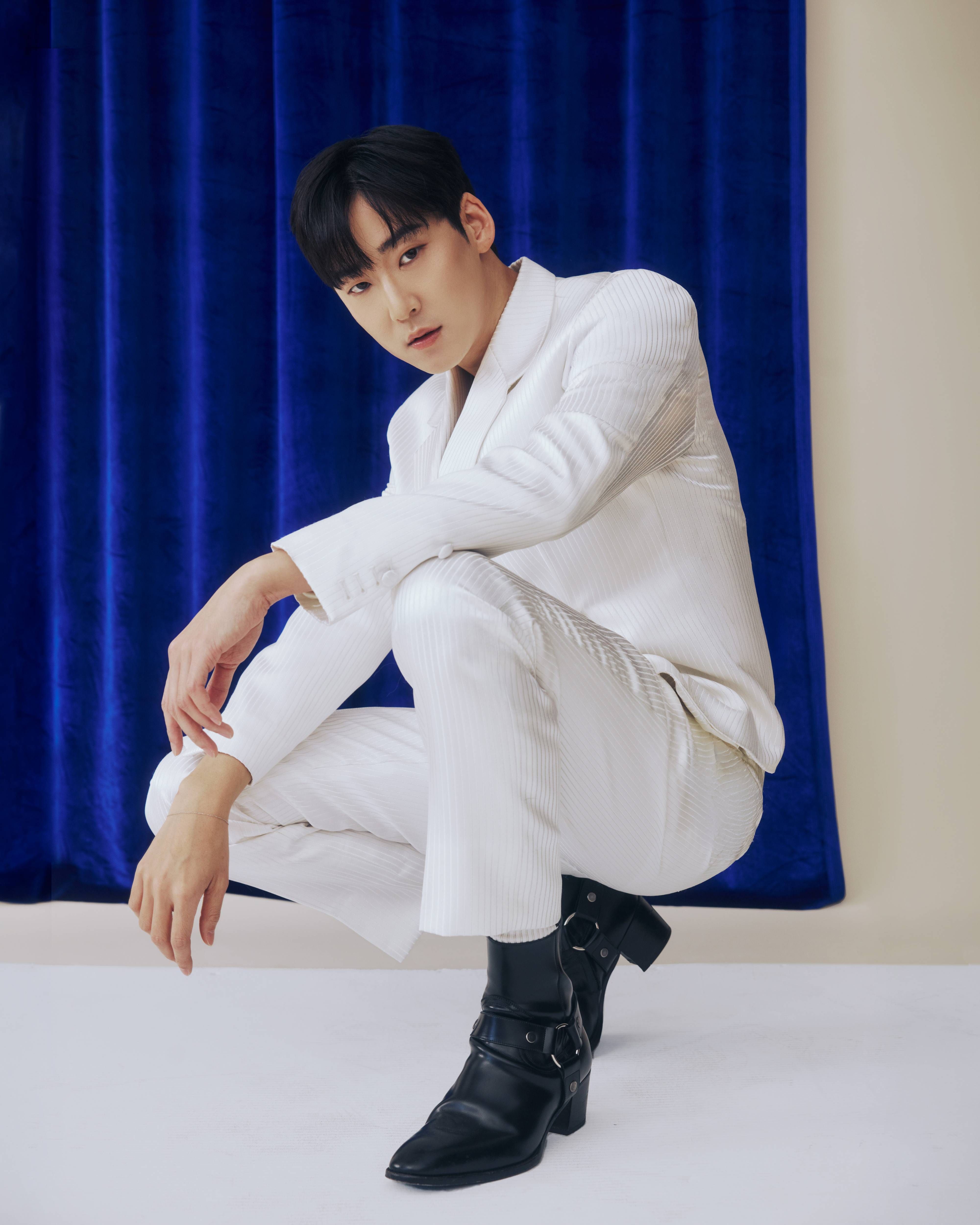
Kevin Woo is the morphing, multimedium artist redefining what it means to be a star.
California Bay Area-born, Woo rose to fame as a teenager in Korea. From 2008-2017, Woo made waves in U-KISS, a Korean boy band, spending nearly a decade lighting up stages with choreo and charming fans with his TV hosting skills.
Then, his contract ended and he took things solo. He signed with Japan Music Entertainment, and simultaneously sidestepped into theatrical ventures like his role in the Korean adaptation of Altar Boyz. Woo moved back to the states soon after, and continued expanding his stardom across mediums. He helped create a character in Dead By Daylight, a horror video game that also featured new, original music by Woo.
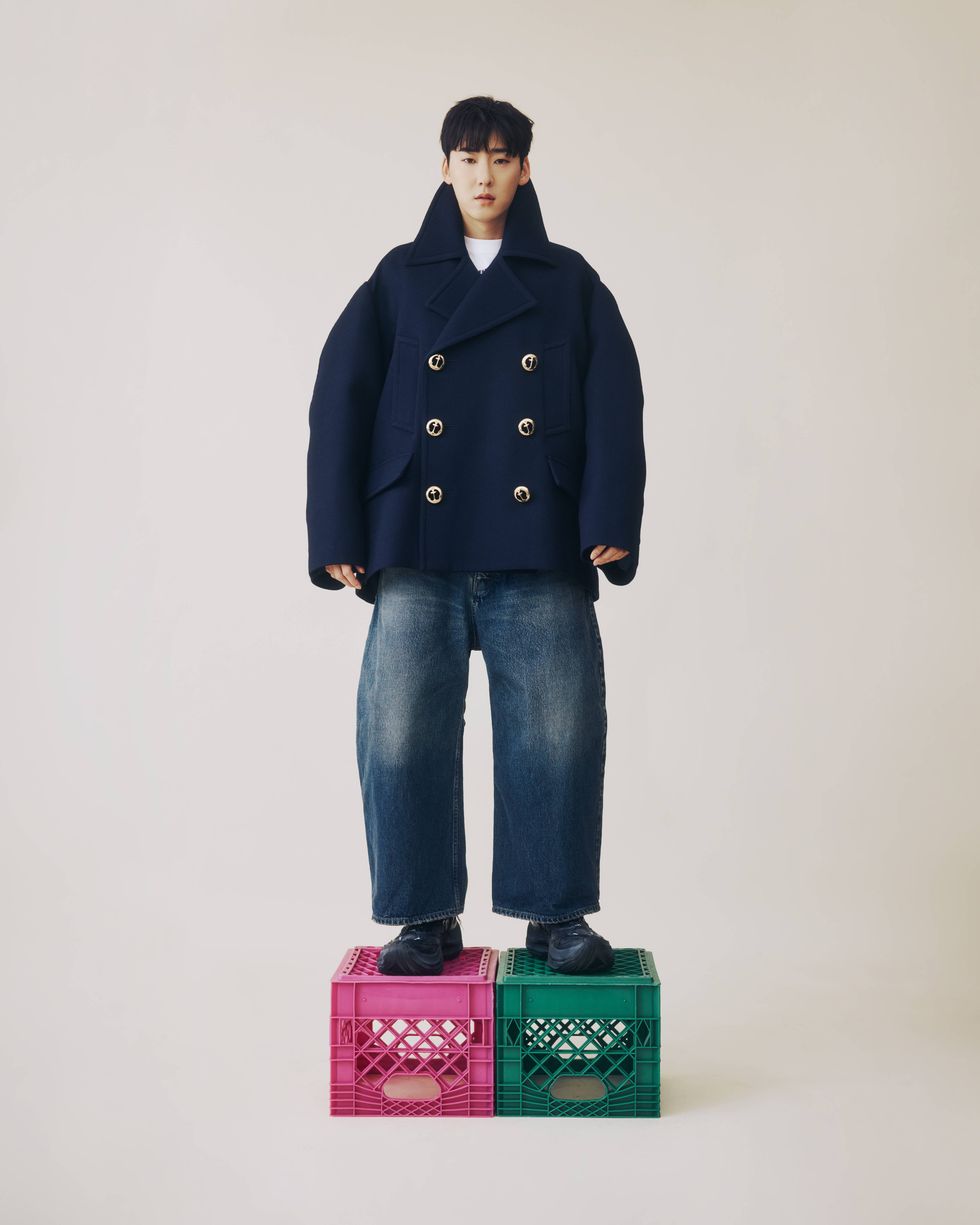
Woo made his Broadway debut in 2022 as Jun Hyuk in KPOP. His career singing and dancing adequately prepared him for the greatest stage he’d seen to-date.
Last year, Woo made his biggest splash yet, voicing Mystery Saja in the musical movie KPop Demon Hunters. The film went on to become Netflix’s “most watched original animated film of all time.” The movie received sweeping critical acclaim and went on to receive Academy Awards and Grammys alike.
Despite Woo’s storied career, as everything from a K-Pop idol to a voice actor to a broadway performer, he’s still just getting started. Woo knows what it takes to not only be an icon and an idol, but to be one whose message transcends medium.
Kevin Woo sat down with PAPER to discuss working around the world, his set of core values and working with Anderson .Paak for future projects.
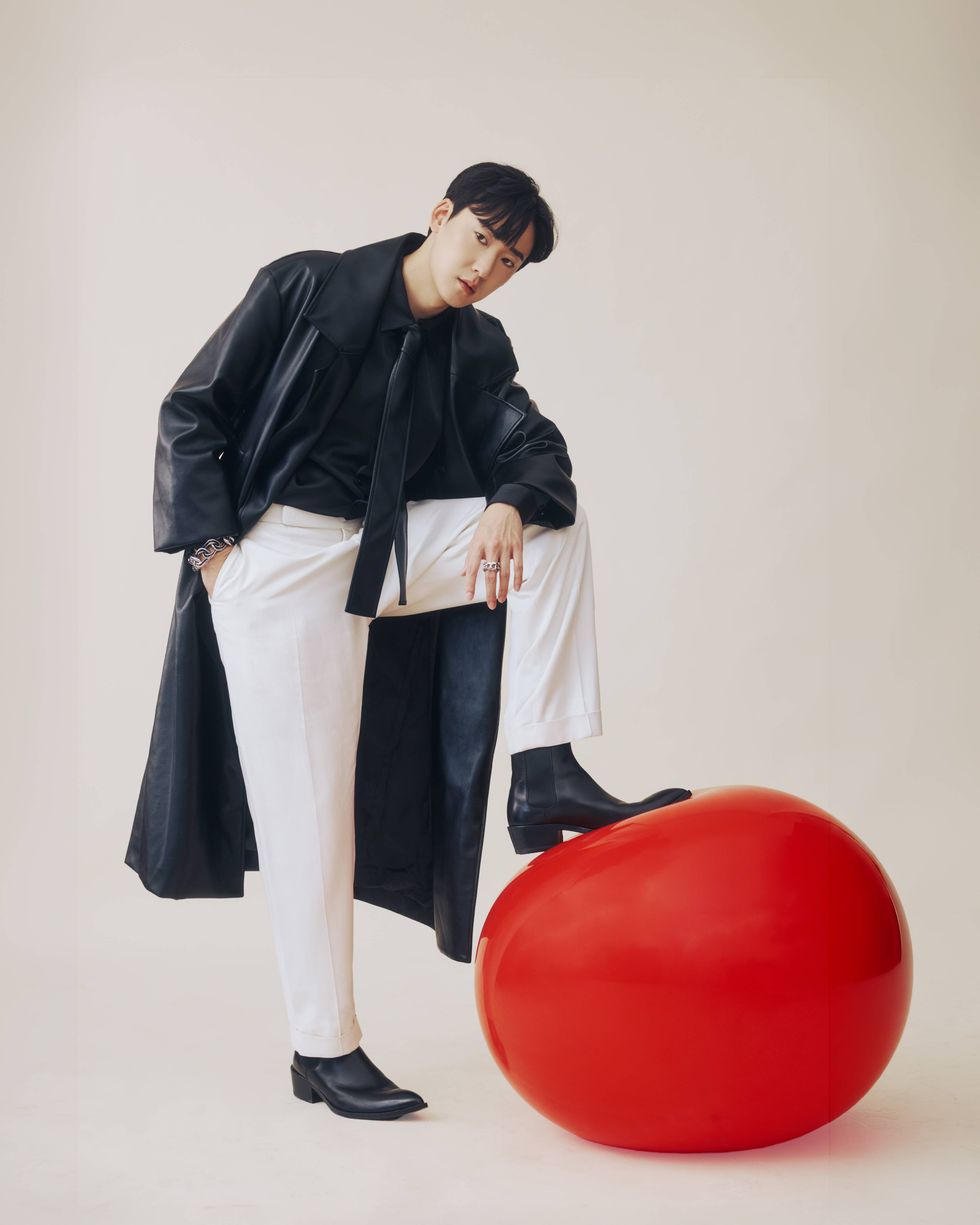
How has location affected your creative output? You’ve lived everywhere from the Bay area to Asia to now LA. How have those changes affected you?
The environment you’re in affects everything. The way you think, the way you move. The people you’re surrounded by are so important. After living in Seoul for over a decade, I needed to reconnect with my roots. After my K-Pop journey I wanted to expand into the global and American markets. I wanted to know how people think here. It was crucial for me to have a deeper understanding of that.
You’ve also worked under different degrees of collaboration in your career. From a K-Pop group to a solo musical career to a large ensemble like K-Pop Demon Hunters. How do you feel about collaboration?
At first, it was challenging to navigate putting in groundwork here in the states. The K-Pop system works so differently, and it’s all I knew growing up. I was trailblazing for sure. I don’t think anyone else has done what I’ve done in the past few years. I went from group to solo artist to actor, with so much in-between.
The thing that comes with trailblazing is the responsibility to pave a path for others who want to pursue this. So I felt a pressure to succeed on my own. But it also felt refreshing and liberating for me because, coming from the heavily managed K-Pop world, where there’s so many eyes on you, I had the freedom to meet managers and agents and producers who could help me navigate who I wanted to work with.
I grew so much as an individual. And taking a step back from the K-Pop world, I realized how I was a multi-talented artist who could choose to do whatever I wanted to do. I could choose the message I wanted to deliver to my audience.
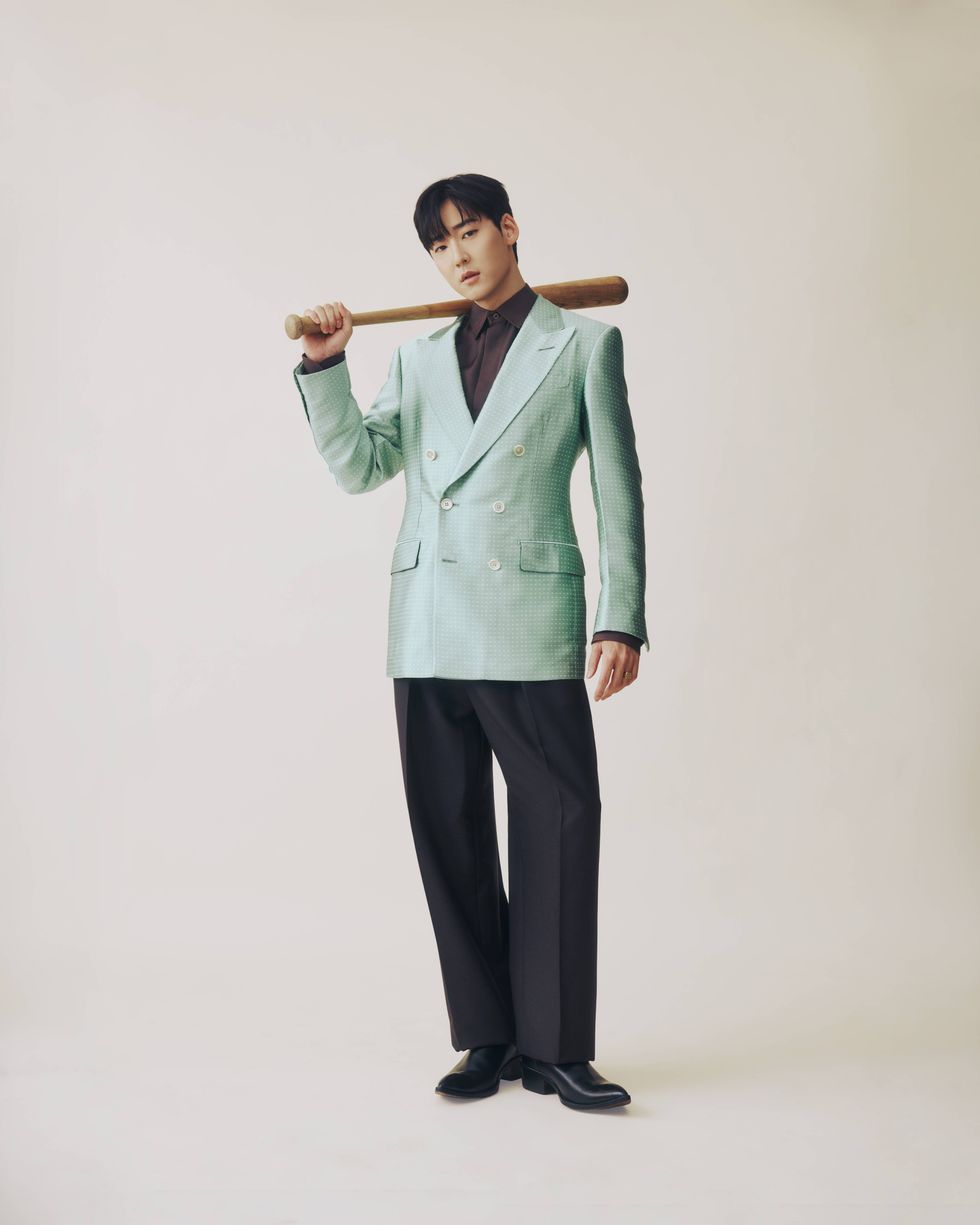
What was that message?
Identity. Being an Asian American is so important and making myself a good representation meant being the most authentic version of myself. It led me to booking projects. The first thing I booked in the states was KPOP on Broadway. It resonated with me so much, I had theatre experience in Asia, so landing a role on Broadway was a dream come true. The work ethic I got from it opened so many roads for me. It led me to K-Pops, a movie coming to Netflix soon with Anderson Paak. And even K-Pop Demon Hunters. All these projects were K-Pop-oriented, which was me being true to myself.
Throughout these varied mediums, from Broadway to video game voice acting, what are the values and principles you make sure you bring to each?
The most consistent element across mediums was authenticity. After the global expansion of K-Pop, it felt like there were people trying to make changes to the narrative or Americanize it. I doubled down on doing the opposite. I wanted it to stay true. Keeping Korean lyrics in songs in K-Pop Demon Hunters, for example. I wanted to express certain emotions in the Korean language with the music I made for Dead by Daylight.
I wanted to be a bridge between the East and the West. I have American roots in the Bay Area. I wanted to see people like me in the media. And Vice Versa. I was a Korean idol and lived there for 15 years. I wanted to keep that identity when I came back to America.
I think that comes across. As proven by the accolades your work has received. Do you pay attention to that kind of recognition?
I think all the awards and nominations are incredibly important and necessary. Being part of these projects is deeply gratifying. But I don’t want to rely too much on it. I put myself into projects I believe in and that resonate with me. If those projects resonate with awards bodies then that’s a cherry on top. If it moves even one person, that’s where my heart lies. Same goes for the music I make. Anything I do, I believe if it moves someone, then my work has been done.
I love it. What’s exciting you next in your career?
I think we’re redefining what it is to be Asian and Asian American. In the past few years, it’s been such a journey for us. Creating that bridge is so beautiful. It wouldn’t have been accomplished without our community. We’re so supportive of each other. I feel so grateful for everyone in it. And PAPER Asia is part of that. Advocating for Asian artists is so incredible. It’s a humble experience to see faces like mine in American media. I want to continue to push the needle and create art that speaks to a lot of people. K-Pops comes out May 30th on Netflix. It’s about family and dreams.
It’s a movie with K-Pop, but it’s not the whole movie. It’s just a fun factor. There’s a passion project I made called Soul Switch. It was a fun idea that me and the director collaborated on. It’s on YouTube but we’re looking to turn it into a feature film. I’m making the films I’ve always wanted to create. My juices are flowing. I have new music coming out after signing with 10K under Atlantic Records. I’ve been in the studio a lot. I’m going on tour, not as a K-Pop idol, but as an artist. I hope the music resonates with people all around the world! I’m a trainer on a K-Pop reality show called Produce 101. I’m going to keep on doing what I’m doing!
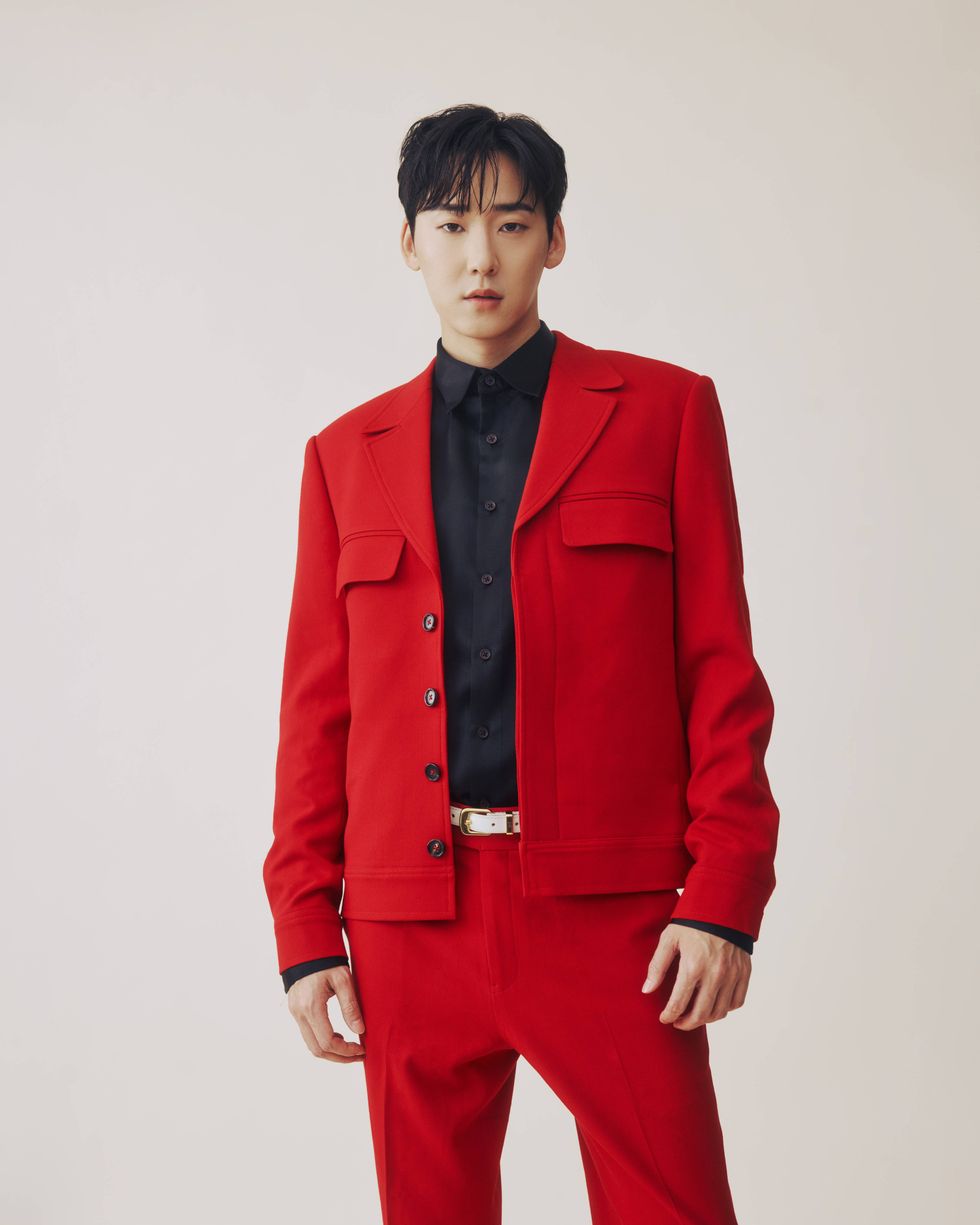
Photography by: Cody Cloud
Story by: Andie Kirby
Styling: Jay Hines
Grooming: Jordan Nguyen
Chief Creative Officer: Brian Calle
Executive Creative Director: Jordan Bradfield
Executive Creative Producer Angelina Cantú
Senior Editor: Joan Summers
On-Site Producer: Ricardo Diaz
Graphic Design: Composite Co