Aliko Dangote Unveils Mega Refinery Project to End East Africa’s Fuel Imports
At the Africa We Build summit in Nairobi this April, billionaire industrialist Aliko Dangote unveiled a landmark proposal that could fundamentally reshape East Africa’s economic landscape. The plan? A 650,000-barrel-per-day [...]
 Black News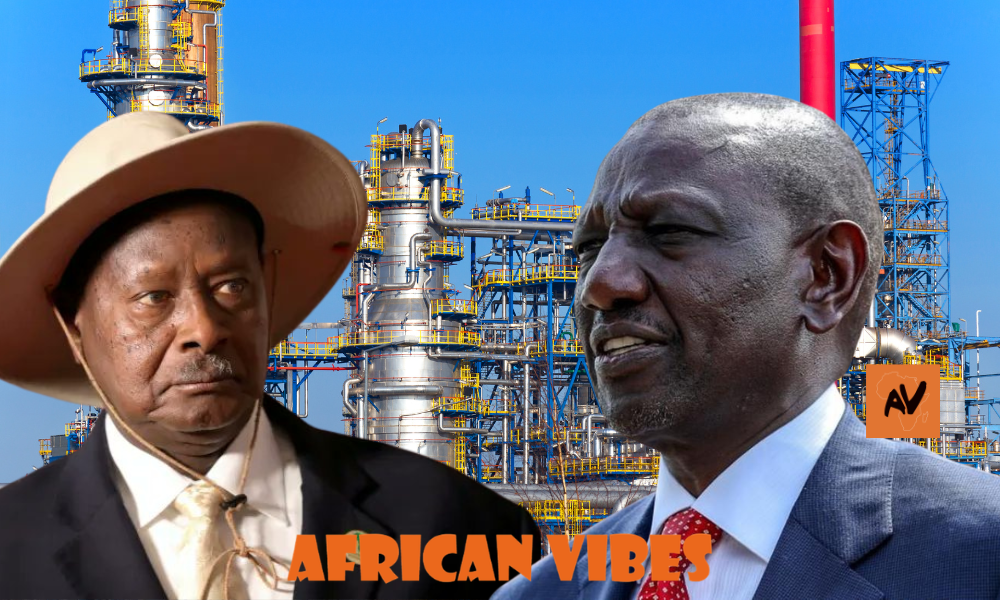
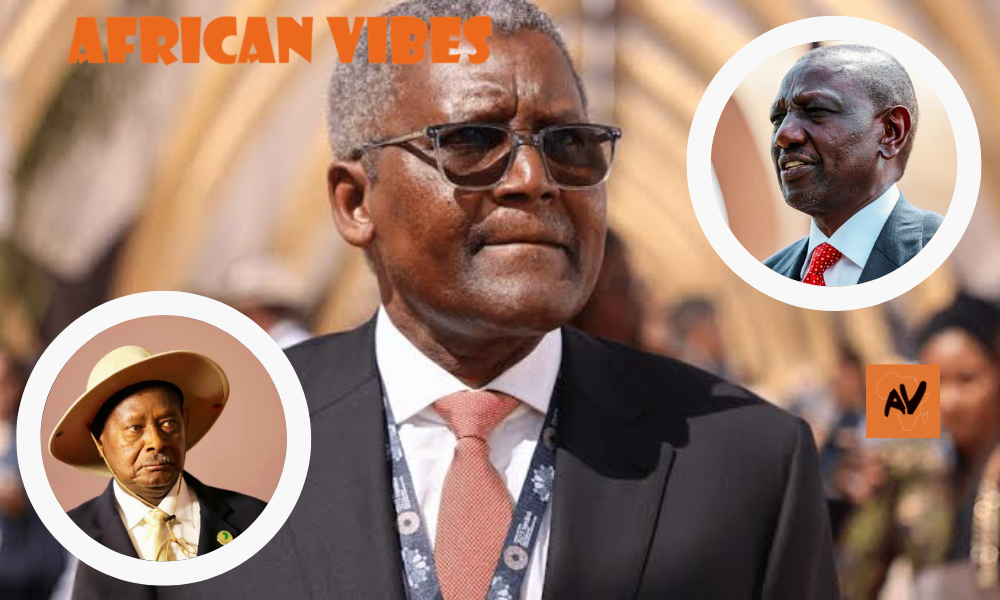
At the Africa We Build summit in Nairobi this April, billionaire industrialist Aliko Dangote unveiled a landmark proposal that could fundamentally reshape East Africa’s economic landscape. The plan? A 650,000-barrel-per-day oil refinery designed to dismantle a colonial-era extractive model that has long drained African wealth.
A Proven Blueprint for Sovereignty
The proposal is no flight of fancy. It is built on the demonstrated success of the Dangote Refinery in Lagos, which has been operational since 2023 as Africa’s largest single-train facility.
- Scale and Speed: The new facility would mirror the Lagos model exactly, processing 650,000 barrels per day. Dangote has committed to a four-to-five-year delivery window, a timeline grounded in real-world experience rather than speculation.
- Regional Integration: Rather than serving a single nation, the Dangote refinery is designed as a central hub for a market of 500 million people, including Kenya, Uganda, Tanzania, South Sudan, and the DRC.
- The Cost of Inaction: Currently, the region exports crude resources and imports finished fuel at a 20-30% markup, a systematic wealth transfer that keeps the local workforce underemployed.
“Near Criminal”: The Political Breaking Point
The summit saw an unusual alignment of political will. Ugandan President Yoweri Museveni used remarkably candid language, characterizing the continued export of unprocessed raw materials as a failure bordering on the “near criminal”.
President William Ruto of Kenya echoed this sentiment, arguing that economic sovereignty—the ability to refine and manufacture within the continent—is a rational economic necessity to retain value-added margins that currently accrue to external refiners.
ALSO READ: 10 African Construction Projects That Will Transform Cities by 2030
The $20 Billion Implementation Challenge
While the vision is clear, the path to “bricks and steel” requires clearing significant hurdles.
| Key Requirement | Action Needed |
| Policy Harmonization | Governments must align tax, tariff, and trade protocols to reduce bureaucratic friction. |
| Crude Supply | Formalizing long-term contracts for feedstock from producers like Uganda and South Sudan. |
| Infrastructure | Developing the necessary pipeline networks, port facilities, and power systems. |
| Financing | Securing the $20 billion investment requires absolute confidence in regional policy stability. |
Beyond the Barrel: The Ripple Effect
The proposal transcends energy infrastructure; it is an engine for a broader industrial ecosystem.
- Job Creation: Dangote refinery Construction is expected to employ tens of thousands, while operations will create permanent, high-value roles in engineering and management.
- Ancillary Industries: The facility is expected to seed downstream sectors, including petrochemicals, lubricants, plastics, and fertilizers.
- Economic Insulation: By creating local supply chains, the region can buffer itself against global price volatility and geopolitical instability in the Middle East.
ALSO READ: China Backs Nigeria Against US Military Threat — Ally or Calculated Interest?
A Moment of Choice
The East African refinery arrives as a symbol of a broader continental shift—joining initiatives like Ethiopia’s industrial parks and Egypt’s manufacturing investments in a move up the global value chain.
As the summit concluded, the message to East Africa’s leaders was clear: the raw materials, market, and capital already exist. All that remains is the collective political will to move from dependence to self-sufficiency. If successful, the Dangote project will not just be a refinery—it will be the substance of Africa building for Africans.