An uncertain truce and questions of possible war crimes
The war against the Islamic Republic of Iran by the United States and the State of Israel has shifted from open warfare to an unstable truce and then stalled negotiations, resulting in a tense standoff with only a narrow path to limited talks. After high-level American and Iranian delegations met for nearly 24 hours in […] The post An uncertain truce and questions of possible war crimes appeared first on Final Call News.
 Black News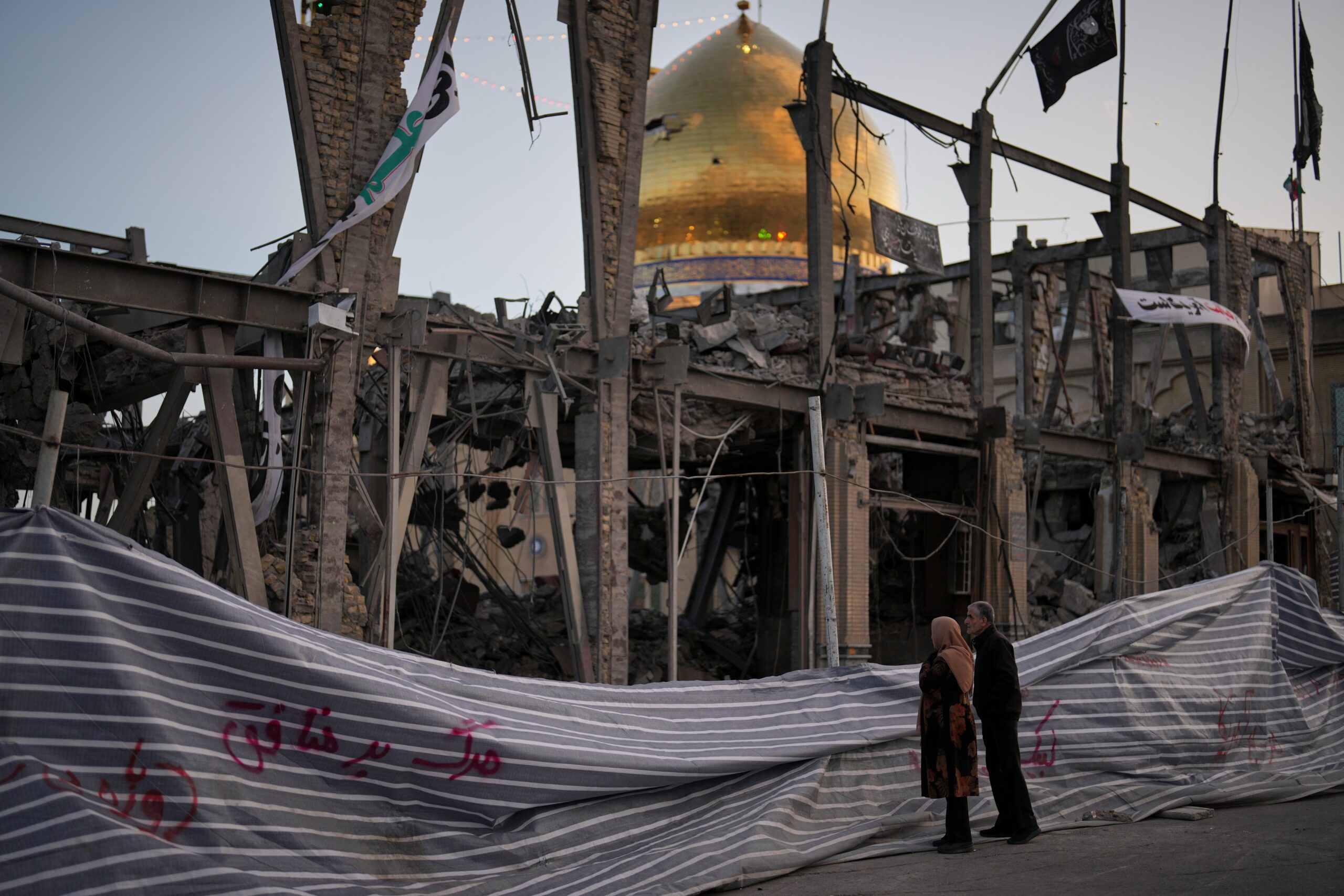


The war against the Islamic Republic of Iran by the United States and the State of Israel has shifted from open warfare to an unstable truce and then stalled negotiations, resulting in a tense standoff with only a narrow path to limited talks.
After high-level American and Iranian delegations met for nearly 24 hours in Islamabad on April 11, they failed to resolve core disputes or reach an agreement to end the conflict that began on February 28, when U.S. and Israeli forces launched attacks on Iran. By press time, while direct strikes on Iranian territory had waned, ongoing regionwide military activity, including Israel’s attack against Hezbollah—an Iran-aligned force—in Lebanon, economic warfare, and naval clashes in the Strait of Hormuz continued, underscoring the fragility of the truce. At best, the situation amounts to a high-stakes pause—but not peace.
The Most Honorable Elijah Muhammad, the Eternal Leader of the Nation of Islam, warned that war will be in the Middle East and He was asked the question, “will there be bloodshed?” And the Most Honorable Elijah Muhammad responded with one word, “plenty.”
For decades, U.S. foreign policy—largely driven by instigation from Israel— has fostered a climate used to justify confrontation with Iran. In its errant and duplicitous foreign policy, multiple U.S. presidential administrations worked to influence the international community, particularly the Muslim world, to isolate Iran.
While this posture set the stage for a potentially catastrophic conflict—one that could trigger a wider war described in scripture as Armageddon—warnings against such a course were issued by the Most Honorable Elijah Muhammad and His National Representative, the Honorable Minister Louis Farrakhan. For generations, both Divine Warners cautioned America against exceeding the boundaries of justice.
Minister Farrakhan has forewarned multiple U.S. presidents about the dangers of aggression and of being drawn into war with Iran at the urging of Israel.
“Our president and the government that supports him should be very, very careful,” said Minister Farrakhan, on Oct. 13, 2019, during an annual Holy Day of Atonement message, commemorating the anniversary of the historic Million Man March.
“Because if the trigger of war in the Middle East is pulled by you, using your surrogates, at the insistence of Israel, then the war will trigger another kind of war, which will bring China, Russia, all of the nations, into a war,” Minister Farrakhan said. “And it bothers me to say this to you, Mr. President, but the war will end America as you know it,” he cautioned.
That warning to President Donald Trump in his previous term echoes in the current moment, as tensions between the United States, Israel, and Iran have moved to a direct confrontation, a fragile pause, and a dangerous standoff.
But whichever way the pendulum of war or peace swings, serious questions are being raised over whether U.S. and Israeli actions in the war have amounted to war crimes—potentially exposing them to international accountability.
The strikes by American and Israeli militaries brought death and damage to the people of Tehran, Isfahan, Qom, and beyond, hitting the centers of government and civilian life. Hospitals, universities, and on Feb. 28, during the initial airstrikes, a Tomahawk missile struck the Shajareh Tayyebeh Primary School in the town of Minab, killing 175 students and staff.
A U.S. military investigation determined that the United States was responsible for the bombing. A March 16 Human Rights Watch release said the U.S. must be accountable for the deaths.
“The findings of the U.S. military investigation into the Minab school attack show a violation of the laws of war that cannot be boiled down to a blameless mistake,” said Sarah Yager, Washington director at Human Rights Watch. “Even if those responsible for the strike did not deliberately target a school full of children, the U.S. military has an obligation to take all feasible precautions to avoid civilian harm, which it clearly did not do in this case.”
Under international humanitarian law, including Article 57 of the Additional Protocol I to the Geneva Conventions, forces must verify that targets are legitimate military objectives and halt attacks if they are not. Indiscriminate attacks are prohibited. Governments that violate these rules are obligated to provide reparations and to investigate and prosecute those responsible for potential war crimes.
Legal analysts and human rights advocates have pointed to allegations involving strikes on Iranian desalination plants, energy facilities, ports, and transportation networks inside Iran that also serve civilian populations.
The president of Alborz University of Medical Sciences in Iran told Tasnim News that a dialysis center was destroyed after being set on fire during strikes near the Fardis oil depot. Shahram Sayadi told Tasnim that “during last night’s enemy attacks on the vicinity of the Fardis oil depot, a dialysis center that was located near these facilities, was caught on fire and its equipment and building were destroyed.”
Condemning the incident, he said, “The attack on health service providers once again portrayed and exposed the inhumane face of human rights claimants and the real nature of the enemies in targeting the welfare and health of citizens.” He said the center had 35 active beds and played a vital role in treating dialysis patients in the region.
Esmaeil Baghaei, Iran’s Foreign Ministry spokesman, said the U.S. and Israel must be held accountable and prosecuted for their “brutal aggression” against Tehran, in violation of international humanitarian law.
“We must do this, and I believe not only Iran, but the entire international community demands accountability from the U.S. and the Zionist regime,” said Mr. Baghaei, in an interview on April 16 with Russia’s RIA Novosti news agency.
He called the U.S.-Israeli attack on Iran a crime against international peace and security, a “war crime” and “crime against humanity.”
Mr. Baghaei said accountability will remain a permanent demand among Iranians, and that Iran will pursue justice through its legal system and international law for what he described as serious crimes committed against the Iranian people.
As prospects of ending the war grew less likely, President Donald Trump made incendiary remarks that, if fulfilled, would have amounted to war crimes. On his Truth Social network, where he posts his official presidential positions, Mr. Trump on April 7 threatened to obliterate Iran and its “whole civilization” if it did not open the Strait of Hormuz, in an ultimatum that drew wide global condemnation.
After the February 28 U.S.–Israeli strikes, Iran responded and effectively limited the Strait of Hormuz, later permitting passage only to “non-hostile” vessels while barring U.S.- and Israel-linked shipping.
Some critics dismissed the ultimatum as President Trump being bombastic, while others saw it as an unfiltered and dangerous threat.
Derrick Johnson, president and CEO of the NAACP, sharply criticized the president, warning that his conduct poses a serious threat nationally and globally. “The rhetoric and behavior we are witnessing from Trump isn’t just alarming, it’s dangerous,” he said in an April 7 statement.
An April 7 joint letter of 200-plus organizations and experts condemned President Trump’s threats of war crimes.
“We, the undersigned human rights, humanitarian, civil liberties, faith-based and environmental organizations, think tanks, and experts, are deeply alarmed by President Trump’s threat regarding Iran that ‘a whole civilization will die tonight’ if his demands are not met,” said the letter. Such language describes a grave atrocity if carried out. A threat to wipe out ‘a whole civilization’ may amount to a threat of genocide. Genocide is a crime defined by the Genocide Convention and by the Rome Statute of the International Criminal Court as committing one or more of several acts “with intent to destroy in whole or in part a national, racial or religious groups as such.”
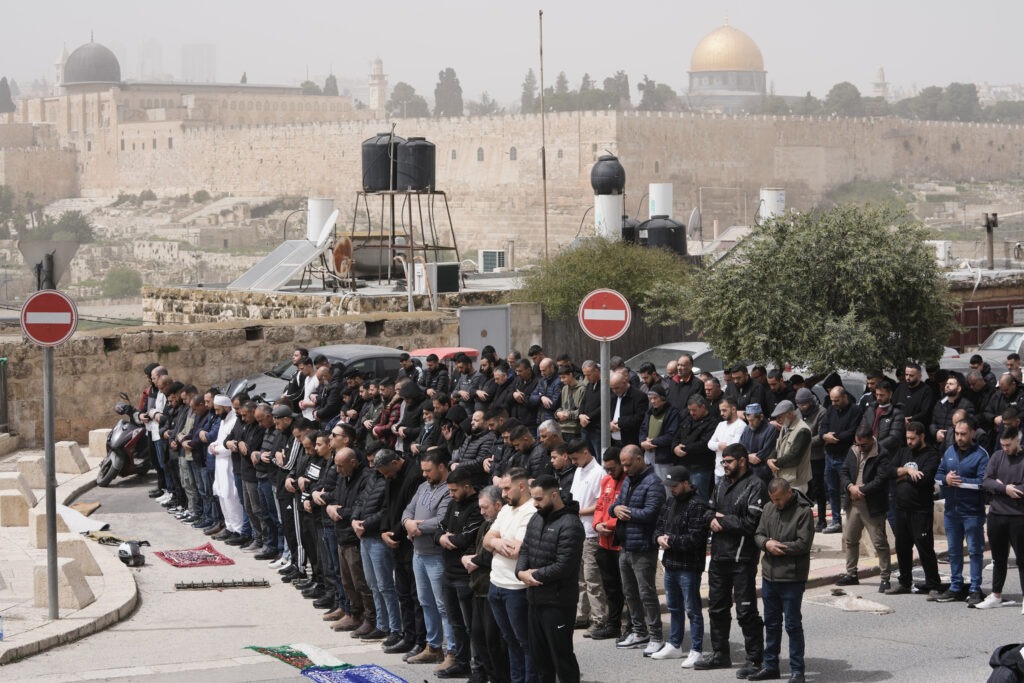
Israel has already been widely condemned for its genocide in Gaza and its ongoing brutality against the Palestinians there, as well as in the West Bank and East Jerusalem.
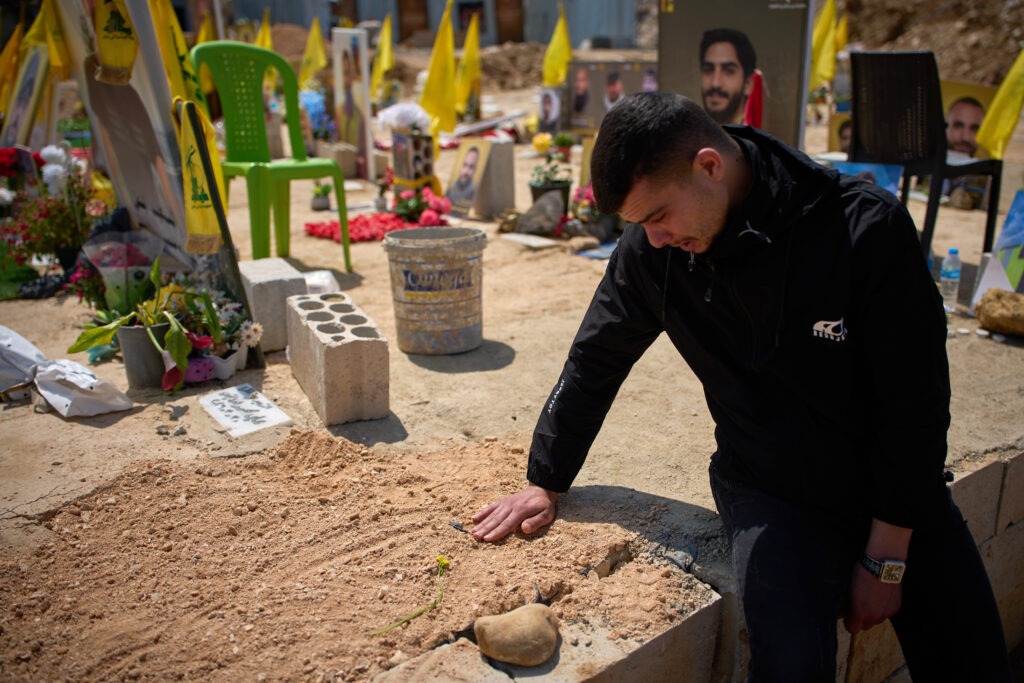
It is also being heavily criticized for the mounting casualties impacting Lebanon and the displacement of the Lebanese people. The regime’s attacks on civilian infrastructure and residential buildings in Lebanon “may amount to war crimes,” said Thameen Al-Kheetan, the spokesperson for the UN High Commissioner for Human Rights back on March 16.
“In many instances, Israeli airstrikes have destroyed entire residential buildings in dense urban environments, with multiple members of the same family, including women and children, often killed together. Such attacks raise serious concerns under international humanitarian law. People displaced by the fighting and living in tents along Beirut’s seafront have also been hit. And in recent days, at least 16 medical staff have been killed,” he continued.
Deliberately attacking civilians or civilian objects amounts to a war crime. In addition, international law provides for specific protections for healthcare workers, as well as people at heightened risk, such as the elderly, women and displaced people,” Mr. Al-Kheetan added.
At Final Call presstime, although reports stated that Israel and Lebanon had agreed to a 10-day “truce” it was also reported that gunfire was still being heard.
The UK-based The Guardian reported that Israeli Prime Minister Benjamin Netanyahu “called the ceasefire a ‘historic’ opportunity for peace but refused to withdraw his troops from southern Lebanon during the pause in fighting.”
The outlet also reported on April 17 that “The Lebanese army warned people displaced from southern Lebanon about returning home because of intermittent shelling that was reported after the ceasefire came into effect,” and that “the Israeli military warned residents of southern Lebanon not to return south of the Litani River despite the truce.”
The post An uncertain truce and questions of possible war crimes appeared first on Final Call News.