Another oil-producing African country set to join Nigeria, Angola and Algeria in refining its own crude
Ghana is set to begin refining crude from its own oil fields locally, becoming the latest African producer seeking to capture more value from its petroleum resources rather than exporting raw crude and importing refined fuels.
 Black News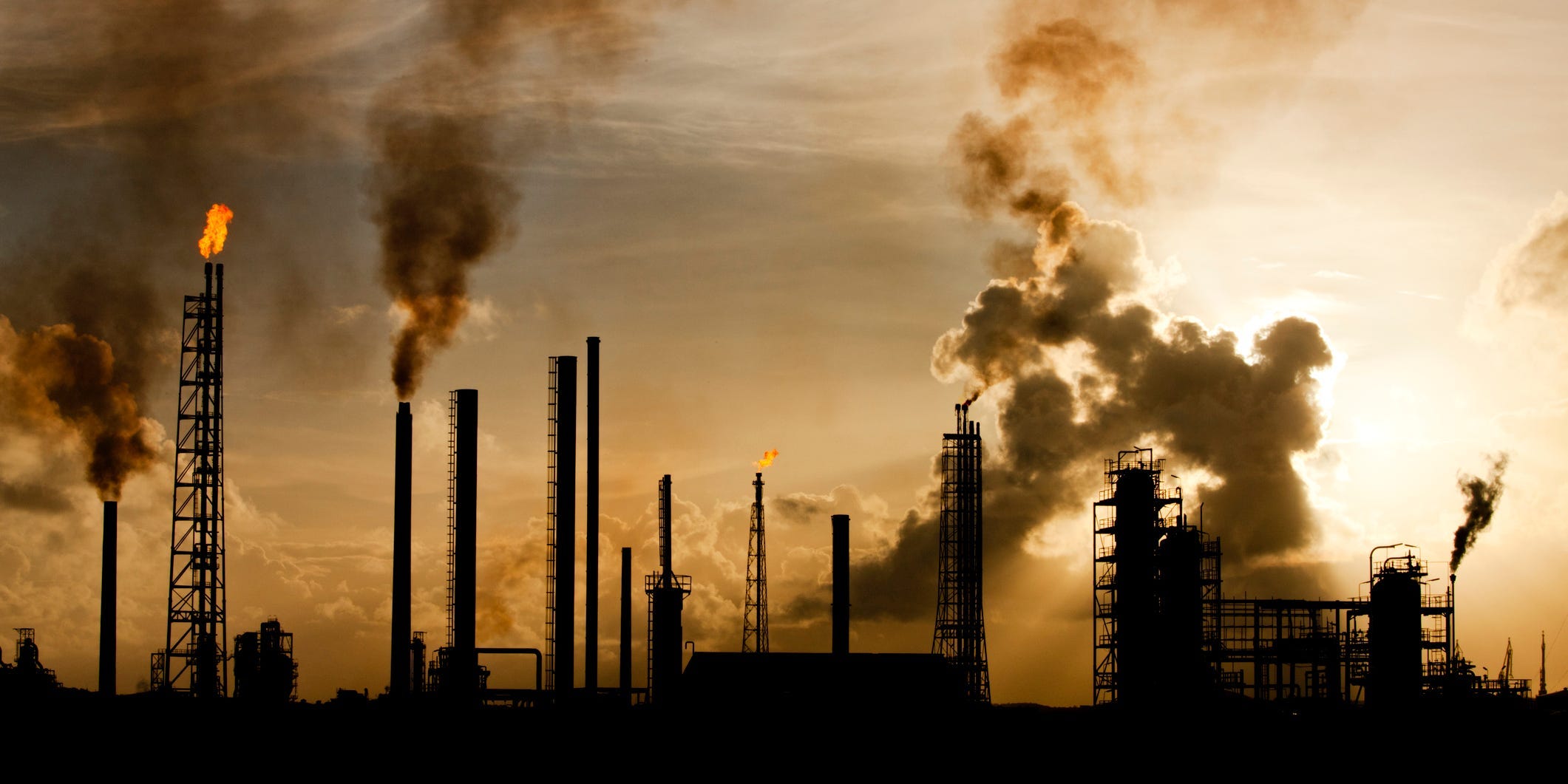

Ghana is set to begin refining crude from its own oil fields locally, becoming the latest African producer seeking to capture more value from its petroleum resources rather than exporting raw crude and importing refined fuels.
- Ghana will start refining its own crude oil domestically, aiming to retain more value from its petroleum resources.
- President Mahama announced plans for the first delivery of Ghanaian crude to a local refinery in June, marking a significant step for the country.
- Ghana joins other African countries like Nigeria and Angola in boosting domestic refining to decrease reliance on imported fuels.
- The Tema Oil Refinery and the Sentuo Oil Refinery are central to expanding Ghana's refining capacity and increasing energy self-sufficiency.
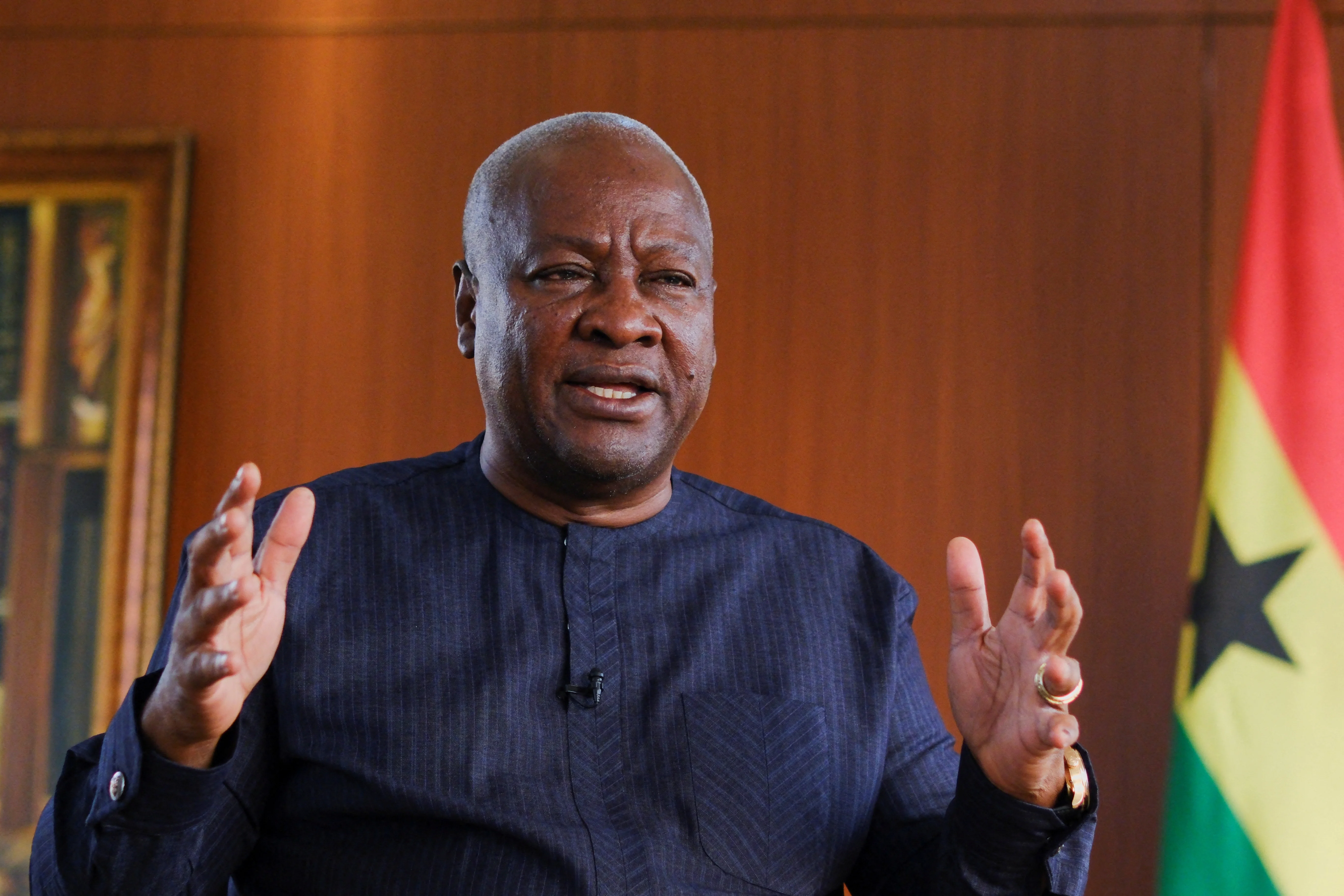
Speaking at a Ghana Diaspora Town Hall Meeting in London, President John Dramani Mahama announced that Ghana would deliver crude from its offshore oil fields to a domestic refinery for processing in June.
"We are about to make history again. We did it during my first term, but after we left office it did not continue. In June, we will deliver a parcel of Ghanaian crude from our own oil fields to a refinery in Ghana for processing," Mahama said.
The planned delivery is expected to mark the first time in years that crude extracted from Ghana's offshore fields will be refined domestically, a development that could help the country retain a larger share of the value generated by its petroleum sector.
Ghana Joins Africa's Refining Push
Across the continent, several oil-producing countries have expanded or are expanding domestic refining capacity as policymakers seek to end a long-standing model in which Africa exports crude oil and imports higher-value refined petroleum products.
Nigeria has been at the forefront of that effort following the launch of the 650,000-barrel-per-day Dangote Refinery, Africa's largest refinery.
The refinery has significantly expanded Nigeria's ability to process crude domestically and supply refined petroleum products to markets across Africa, helping offset challenges at older state-owned facilities such as the Warri, Port Harcourt and Kaduna refineries, which have faced operational setbacks.
Elsewhere, Angola is expanding its downstream sector through the operational Luanda Refinery, the Cabinda Refinery and the construction of the 200,000-barrel-per-day Lobito Refinery as it seeks to process more of its own crude, reduce dependence on imported fuels and strengthen energy self-sufficiency.
In North Africa, major oil producers including Egypt, Algeria and Libya have long maintained refining industries that process domestic crude for local consumption and export markets, underscoring a continent-wide push to capture more value from petroleum resources.
Expanding Ghana's Refining Capacity
Ghana's refining ambitions are centred on the Tema Oil Refinery (TOR), which restarted operations in late 2025.
The refinery currently operates at about 28,000 barrels per day and is working to increase output to 45,000 barrels per day through the integration of an additional processing unit.
Longer-term plans envision increasing TOR's capacity to 60,000 barrels per day and developing an additional refinery capable of processing 100,000 barrels per day.
The country also hosts the privately owned Sentuo Oil Refinery in Tema, which has expanded Ghana's refining capacity and strengthened its ability to process petroleum products locally.
Beyond Crude Exports
Mahama said Ghana's refining push is intended to end a long-standing practice of exporting crude oil while importing higher-value refined petroleum products.
"Normally we produce the oil and export it. Then we import finished petroleum products or import crude again to refine. That cycle must change," he stated.
The challenge is not unique to Ghana. Many African oil-producing countries have historically exported crude while relying on imports of petrol, diesel and aviation fuel, limiting the economic benefits derived from their petroleum resources.
Mahama said local refining would help Ghana retain more foreign exchange, strengthen domestic supply chains, create jobs and support industrial growth.
The President also disclosed that Ghana had secured about $1.5 billion in new investment from Italy's Eni in the Offshore Cape Three Points (OCTP) field to boost oil and natural gas production.
However, he said increased production alone would not be enough to maximise the value of the country's natural resources, arguing that value addition should become a central pillar of Ghana's development strategy.
"We must pursue value addition not only in oil and gas, but in mining, agriculture, manufacturing and every sector of our economy."