As Aid Shrinks, Development Leaders Search for a New Model
As foreign aid budgets contract across much of the developed world and debt pressures mount in poorer countries, development leaders meeting in Nairobi this week are debating whether the decades-old aid model can survive a rapidly changing global economy. The debate is unfolding at a two-day conference hosted by the Friedrich Naumann Foundation for Freedom, […]
 Black News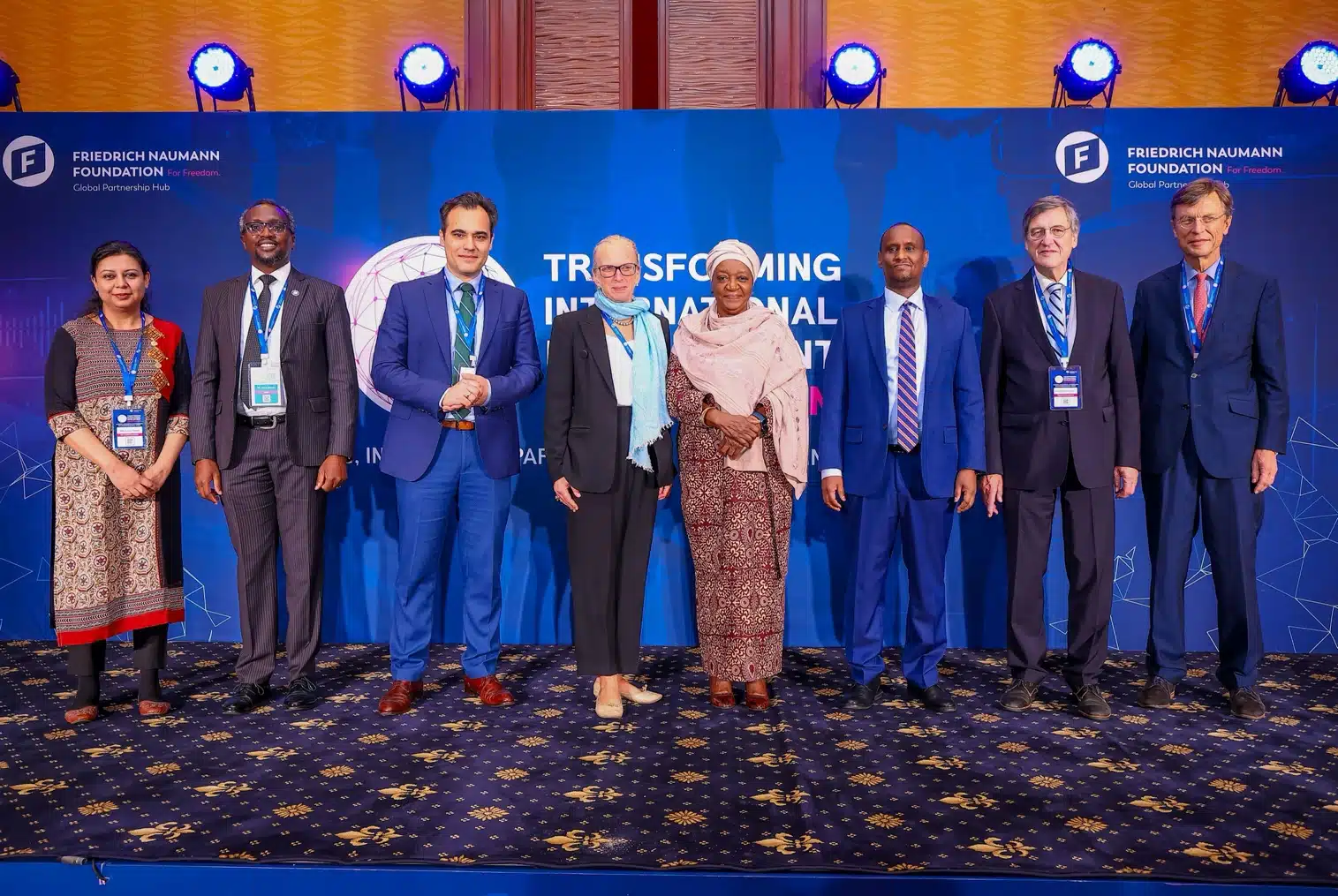
As foreign aid budgets contract across much of the developed world and debt pressures mount in poorer countries, development leaders meeting in Nairobi this week are debating whether the decades-old aid model can survive a rapidly changing global economy.
The debate is unfolding at a two-day conference hosted by the Friedrich Naumann Foundation for Freedom, bringing together policymakers, economists, business leaders and development practitioners from across the Global South and Global North to examine how trade, investment and private enterprise can complement — and in some cases replace — traditional forms of development assistance.
The discussions reflect a broader shift in international development thinking. Governments across Africa and other developing regions have increasingly called for partnerships that move beyond donor-recipient relationships and instead prioritize national ownership, market access, technology transfer and investment-driven growth.
“The real question is whether we can adapt quickly enough, work more effectively across institutions and partnerships, and deliver results that people can see and trust,” said Zainab Hawa Bangura, director-general of the United Nations Office at Nairobi.
The conference is taking place against a backdrop of mounting financial pressures. Many developing economies face rising debt-servicing costs and limited fiscal space, while progress toward the United Nations Sustainable Development Goals remains uneven. At the same time, traditional donor governments confront budget constraints and competing domestic priorities.
Those challenges have fueled debate over how development cooperation can remain effective and politically sustainable while addressing global concerns such as climate change, food insecurity, conflict, inequality and technological disruption.
Speakers argued that future development frameworks must place greater emphasis on economic partnerships capable of generating long-term growth rather than relying solely on aid flows alone.
“Development cooperation cannot be built on paternalism, but on agency and trust,” said Ralf Erbel, the foundation’s project director for East Africa and Global Partnership.
For African countries, where financing needs continue to grow amid mounting fiscal pressures, the debate carries particular significance. The continent is home to some of the world’s fastest-growing economies and youngest populations, while also facing major challenges related to climate resilience, food security, debt sustainability, digital transformation and regional trade integration.
Organizers say the conference aims to generate recommendations on improving the effectiveness of development partnerships, strengthening private-sector participation and ensuring that international cooperation produces measurable benefits for local communities.
Whether development institutions can successfully shift from aid-based relationships to investment-led partnerships remains an open question. But as donor budgets tighten and financing needs grow, participants said the pressure to find alternatives is becoming increasingly urgent.