Broken Promises: Did Trump Just Hand Democrats the Midterms on a Silver Platter?
Some political gifts wrap themselves. A sitting president, six months before midterm elections, in a now removed video, saying the government cannot afford child care, Medicaid, or Medicare, then having it pulled from the White House’s official YouTube channel. President Donald Trump made those remarks at a White House Easter luncheon on April 1. “We […] The post Broken Promises: Did Trump Just Hand Democrats the Midterms on a Silver Platter? first appeared on Upscale Magazine.
 Black News

Some political gifts wrap themselves. A sitting president, six months before midterm elections, in a now removed video, saying the government cannot afford child care, Medicaid, or Medicare, then having it pulled from the White House’s official YouTube channel.
President Donald Trump made those remarks at a White House Easter luncheon on April 1.
“We can’t take care of daycare. We’re a big country. We’re fighting wars. It’s not possible for us to take care of daycare, Medicaid, Medicare, all these things.”
In 2024, Trump told voters, “Child care is child care. You have to have it. We’re going to make this into an incredible country that can afford to take care of its people.”


Where is the Money Going
The United States is spending approximately $1 billion a day on military operations overseas. In his speech, Trump said that the states should take over funding and administration of Medicaid, Medicare, and child care so the federal government can focus on national defense.
The federal government currently funds between 70 and 80% of Medicaid. Most states do not have the budget to absorb what Washington stops paying. The states with the greatest need tend to have the least money to respond.

Who Actually Loses When These Programs Get Cut?
As of December 2025, 75.7 million people were enrolled in Medicaid and CHIP. More than 36 million of those enrollees are children, nearly 48% of total program enrollment, according to the Centers for Medicare and Medicaid Services.
Black Americans make up about 13.7% of the U.S. population but account for roughly 20% of Medicaid enrollees. Hispanic and Latino Americans represent close to 30% of enrollees. Private insurance is expensive.
Medicaid exists because the gap between what coverage costs and what families earn is significant.
Black mothers carry the greatest risk. A new Commonwealth Fund report finds the United States has the highest maternal mortality rate among 14 high-income nations and that more than 80% of those deaths are likely preventable.
Black mothers die at more than twice the rate of other groups in this country. Medicaid covers nearly two-thirds of them. Forty-nine states extended postpartum coverage to one full year because one in three pregnancy-related deaths happens between six weeks and one year after birth. The report also warns that a growing shortage of maternity health providers, particularly midwives, could make the crisis worse.


One Billion a Day Overseas, Not Enough for Child Care at Home
The billion dollars a day on war (described by many as unprovoked and illegal) could cover child care for roughly 500,000 children at the national average cost of care.
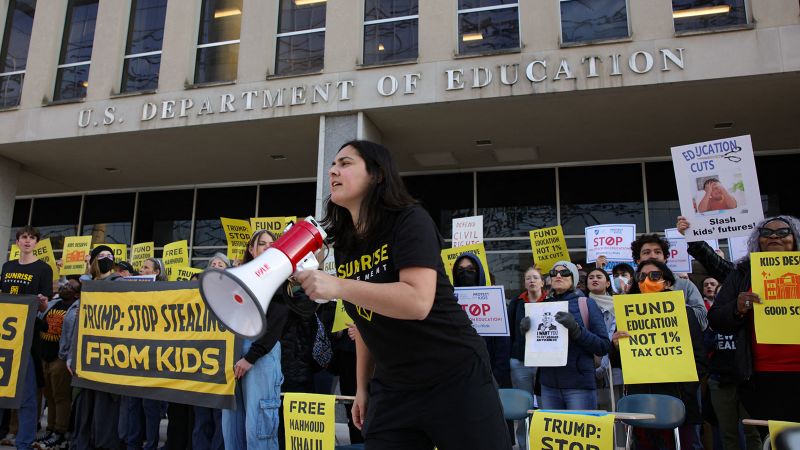
Yet, 14.8 million children under age five have parents in the workforce, and only 10.8 million formal child care spots exist. When a spot is not available, many parents, mothers especially, leave jobs they cannot afford to lose.
Gas hit $4.08 a gallon this week, the highest price since August 2022, up more than a dollar from one month ago. Groceries cost more than they did a year ago. Rent has not come down. Home prices have not come down. Families are spending more every month to stay in the same place they were last year.

The Plan Sounds Simple. The Bill Does Not.
If Medicaid funding shifts to states, the burden lands hardest where resources are already stretched. According to U.S. Census Bureau data spanning 2005 to 2024, Mississippi and Louisiana have sustained poverty rates of 36% and 28.3%. More than a quarter of their populations have lived in high-poverty counties for two decades.

The federal government currently pays between 70 and 80 cents of every dollar spent on Medicaid. If that changes, states like these would have to find that money in their own budgets. That money is not there. People will lose coverage not because they no longer qualify but because their state cannot pay for it.
Who Bears the Weight When Coverage Gets Cut
Black Americans make up 13.7 percent of the U.S. population and about 1 in 5 Medicaid enrollees. That may seem high but it does not mean they are the most dependent group on a percentage basis. Native American and American Indian communities have 43 percent of their population on Medicaid. Native Hawaiian and Pacific Islanders are at 35 percent. Hispanic and Latino Americans are at 30 percent. Asian Americans are at 18 percent. Where Black Americans matter most in this debate is in total numbers. Black Americans are one of the country’s largest racial groups, which means a Medicaid cut hits a very large number of Black families, even if their enrollment rate is lower than that of some other communities.
“It’s not possible for us to take care of day care, Medicaid, Medicare, all these individual things,” Trump said. “They can do it on a state basis. You can’t do it on a federal. We have to take care of one thing: military protection. We have to guard the country.”
A state tax adjustment does not close a gap that large. That difference does not disappear because responsibility changed hands.

The Reckoning Has a Date and It’s the Midterms
Congress is on recess, and the Senate does not return until at least April 13. The votes that will shape Medicaid funding, child care, and the federal budget are still ahead.
This November’s midterm elections will determine who controls Congress for the final two years of Trump’s term. All 435 House seats are on the ballot. Thirty-five Senate seats are up for election. Governors, attorneys general, and state legislators in roughly 39 states are also on the ballot. These are the people who write the laws, control the budgets, and decide which programs survive.
Midterms do not get the attention presidential elections do, but the outcomes shape health care, education, and spending for years after. If what you just read concerns you, here is how to prepare:
Register to vote. Check your registration status now. Most state deadlines fall in October 2026, but some states allow same-day registration.
Make a voting plan. Know whether you will vote in person, by mail, or during early voting. Locate your polling place and find out what identification you need.
Know your ballot. Research candidates and ballot measures before you vote. Nonpartisan voter guides are a good starting point.
For more on how federal changes are affecting working Americans, read my earlier coverage on the partial government shutdown and TSA employee pay here.
The post Broken Promises: Did Trump Just Hand Democrats the Midterms on a Silver Platter? first appeared on Upscale Magazine.