China stakes $2 billion to build Middle East’s first carbon-neutral textile hub in Egypt
China is preparing to deepen its industrial footprint in Africa and the Middle East by developing what could become the region’s first fully integrated carbon-neutral textile industrial city in Egypt, a project expected to attract up to $2 billion in investment and create tens of thousands of jobs.
 Black News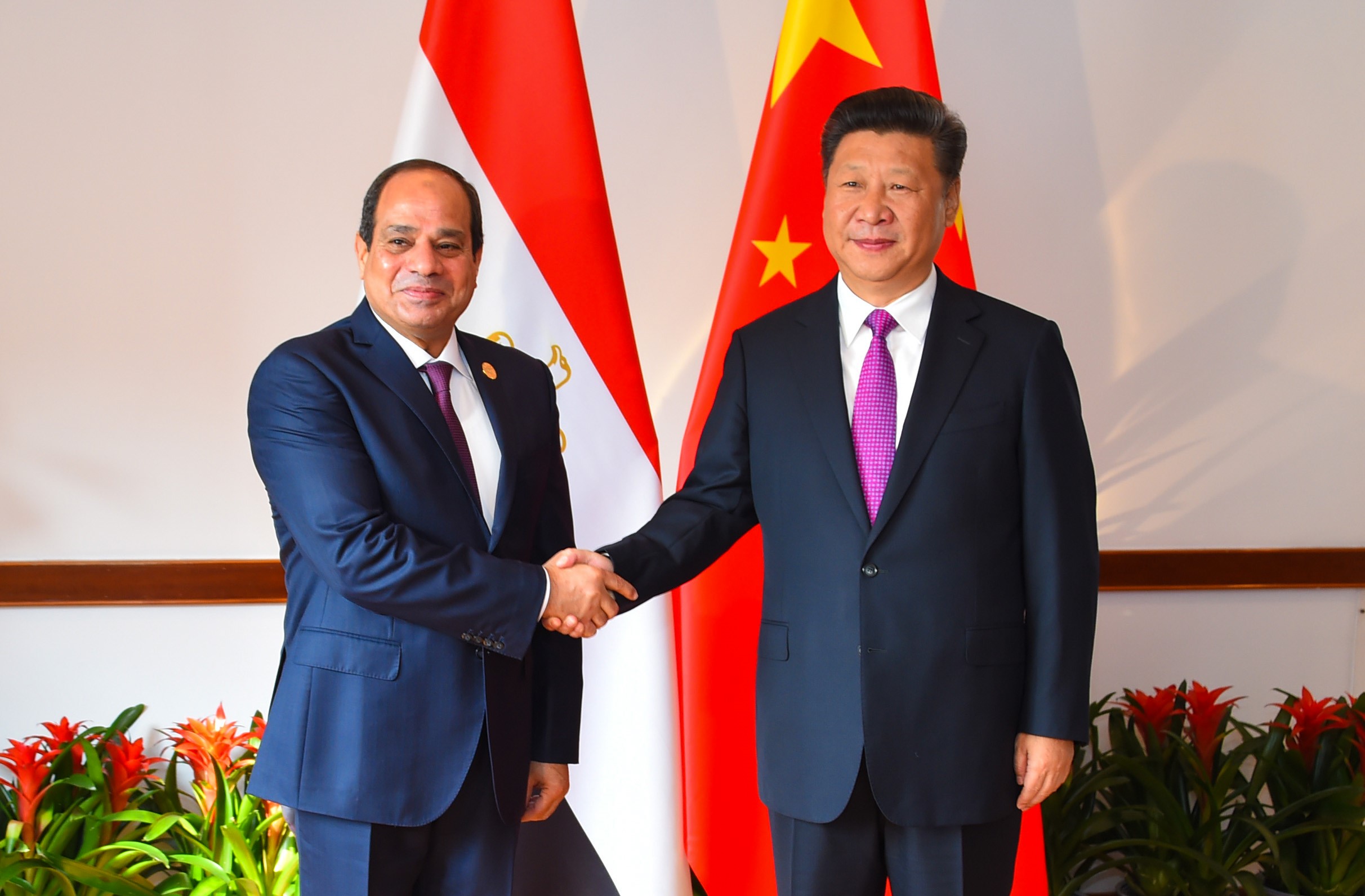
![Egyptian President Abdel Fattah el-Sisi (L) shakes hands with Chinese President Xi Jinping (R) during the 11th G20 Leaders' Summit in Hangzhou, China on September 04, 2016. [Photo by Pool / Egyptian Presidency Press Office/Anadolu Agency/Getty Images]](https://ocdn.eu/pulscms/MDA_/a3829a7fb2d55509c2887fbfd2d9366b.jpg)
China is preparing to deepen its industrial footprint in Africa and the Middle East by developing what could become the region’s first fully integrated carbon-neutral textile industrial city in Egypt, a project expected to attract up to $2 billion in investment and create tens of thousands of jobs.
- China Enterprise Cloud Chain plans to develop a $2 billion carbon-neutral textile industrial city in Egypt.
- The project is expected to create up to 80,000 direct jobs and 60,000 indirect jobs.
- Egypt hopes the development will strengthen its position as a manufacturing and export gateway linking Africa, Europe, and the Middle East.
- Officials say the industrial hub will include factories, logistics centres, and technical training facilities spread across 4.5 million square metres.
The proposed development, led by China Enterprise Cloud Chain, is expected to transform Egypt into a major textile manufacturing and export hub that links Africa, Europe, and the Middle East, according to details presented at a meeting with Egypt’s Minister of Investment and Foreign Trade, Mohamed Farid.
Spanning 4.5 million square metres, the industrial city will be implemented in two phases over roughly four years. Egyptian officials estimate the project could generate between 50,000 and 80,000 direct jobs, alongside another 60,000 indirect employment opportunities across logistics, services, and supply chains.
The first phase, covering 2 million square metres, will focus on environmentally sustainable industrial facilities and aims to attract between 30 and 50 textile manufacturers. Plans also include technical and vocational training schools, logistics centres, and commercial infrastructure designed to support large-scale industrial production.
The second phase will extend the project across an additional 2.5 million square metres, with a focus on building a fully integrated textile value chain by connecting suppliers, manufacturers, and complementary industries.
The project comes as Egypt intensifies efforts to position itself as a regional manufacturing powerhouse amid shifting global supply chains and growing demand for lower-carbon industrial production.
During the meeting, both sides discussed potential investment frameworks, including Egypt’s Special Investment Zones, which offer incentives to attract foreign manufacturers.
Farid directed ministry officials to continue negotiations with the Chinese company and coordinate technical evaluations through Egypt’s commercial office in China as discussions move toward implementation.