CPJ: Safety Advice For Photojournalists Covering ICE Operations And Protests In Minneapolis
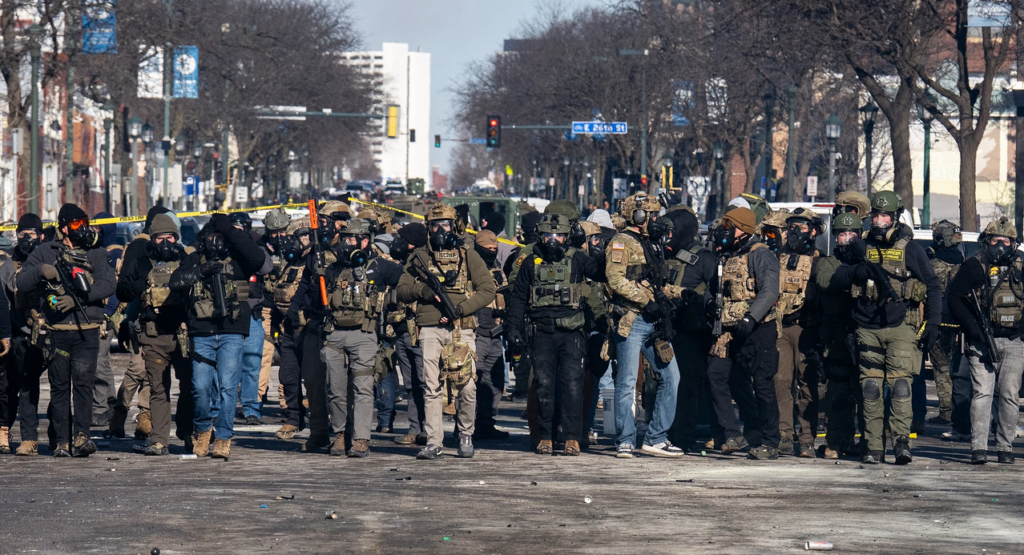
By Committee To Protect Journalists Photos: YouTube Screenshots\Wikimedia Commons Photojournalists covering Minneapolis ICE operations and protests are at the center of the action and are at higher risk of arrest and detention. CPJ safety experts have compiled the following guidance to help journalists on the ground protect themselves. To seek emergency assistance or safety advice, contact us at emergencies@cpj.org. Tips for photojournalists covering U.S. protests Photographers should have someone watching their back and should remember to look up from their viewfinder every few seconds. Do not wear the camera strap around your neck to avoid the risk of strangulation. It is important to minimize the time spent in the crowd. Plan the assignment and know the area where you are going. Always ensure you have the correct and valid documents with you, including press credentials and ID. Identify ahead of time a legal representative who can be contacted if you are arrested. Store their name and contact information on your phone, and also on a piece of paper and/or written on your arm. Set up a regular check-in procedure with your office, family, and/or friends. Let them know how often you plan on checking in, establish a plan in case you are overdue for checking in, and what time they can expect you to return. Where violence is anticipated, consider using protective goggles/glasses, tear gas respirators, and helmets. If live ammunition is a risk, consider wearing protective body vests. Avoid working alone where possible. More on situational awareness. Read CPJ’s legal rights guide for U.S. journalists, in collaboration with the Thomas Reuters Foundation. Find more resources from CPJ and the U.S. Journalist Assistance Network here. The U.S. Journalist Assistance Network is a coalition of U.S.-based press freedom organizations specializing in digital safety, physical safety, and legal rights, working together to help journalists prepare and stay safe on the job. How to Get Help Journalists covering U.S. protests: Do you need safety advice or emergency assistance? Contact us at emergencies@cpj.org. For legal support call the Reporters Committee for Freedom of the Press legal hotline at 1-800-336-4243. Submit a press freedom incident to the U.S. Press Freedom Tracker. Read more about safely covering protests. Journalists covering U.S. protests: Use CPJ’s WhatApp chatbot to access all of our physical, digital, and psychosocial #JournalistSafety resources. Add CPJ’s chatbot using the number +1 206-590-6191, and text the number “Hello” to select from a menu of safety resources.
 Black News
By Committee To Protect Journalists
Photos: YouTube Screenshots\Wikimedia Commons
Photojournalists covering Minneapolis ICE operations and protests are at the center of the action and are at higher risk of arrest and detention. CPJ safety experts have compiled the following guidance to help journalists on the ground protect themselves.

| To seek emergency assistance or safety advice, contact us at emergencies@cpj.org. Tips for photojournalists covering U.S. protests Photographers should have someone watching their back and should remember to look up from their viewfinder every few seconds. Do not wear the camera strap around your neck to avoid the risk of strangulation. It is important to minimize the time spent in the crowd. Plan the assignment and know the area where you are going. Always ensure you have the correct and valid documents with you, including press credentials and ID. Identify ahead of time a legal representative who can be contacted if you are arrested. Store their name and contact information on your phone, and also on a piece of paper and/or written on your arm. Set up a regular check-in procedure with your office, family, and/or friends. Let them know how often you plan on checking in, establish a plan in case you are overdue for checking in, and what time they can expect you to return. Where violence is anticipated, consider using protective goggles/glasses, tear gas respirators, and helmets. If live ammunition is a risk, consider wearing protective body vests. Avoid working alone where possible.  More on situational awareness. Read CPJ’s legal rights guide for U.S. journalists, in collaboration with the Thomas Reuters Foundation. Find more resources from CPJ and the U.S. Journalist Assistance Network here. The U.S. Journalist Assistance Network is a coalition of U.S.-based press freedom organizations specializing in digital safety, physical safety, and legal rights, working together to help journalists prepare and stay safe on the job. More on situational awareness. Read CPJ’s legal rights guide for U.S. journalists, in collaboration with the Thomas Reuters Foundation. Find more resources from CPJ and the U.S. Journalist Assistance Network here. The U.S. Journalist Assistance Network is a coalition of U.S.-based press freedom organizations specializing in digital safety, physical safety, and legal rights, working together to help journalists prepare and stay safe on the job. |
| How to Get Help |
 Journalists covering U.S. protests: Do you need safety advice or emergency assistance? Contact us at emergencies@cpj.org. For legal support call the Reporters Committee for Freedom of the Press legal hotline at 1-800-336-4243. Submit a press freedom incident to the U.S. Press Freedom Tracker. Read more about safely covering protests. Journalists covering U.S. protests: Do you need safety advice or emergency assistance? Contact us at emergencies@cpj.org. For legal support call the Reporters Committee for Freedom of the Press legal hotline at 1-800-336-4243. Submit a press freedom incident to the U.S. Press Freedom Tracker. Read more about safely covering protests.  Journalists covering U.S. protests: Use CPJ’s WhatApp chatbot to access all of our physical, digital, and psychosocial #JournalistSafety resources. Journalists covering U.S. protests: Use CPJ’s WhatApp chatbot to access all of our physical, digital, and psychosocial #JournalistSafety resources. Add CPJ’s chatbot using the number +1 206-590-6191, and text the number “Hello” to select from a menu of safety resources. Add CPJ’s chatbot using the number +1 206-590-6191, and text the number “Hello” to select from a menu of safety resources. |