Dayo Akinbode: How Kenya Welcomed With Kindness as a Nigerian
There is a particular kind of anxiety that many Nigerians know well when planning international flights. The anxiety starts when one researches visa requirements for the umpteenth time, just to make sure nothing has changed overnight. This follows one as one gathers documents, books flights, prints hotel reservations and prepares answers for questions one hopes […] The post Dayo Akinbode: How Kenya Welcomed With Kindness as a Nigerian appeared first on BellaNaija - Showcasing Africa to the world. Read today!.
 Black News

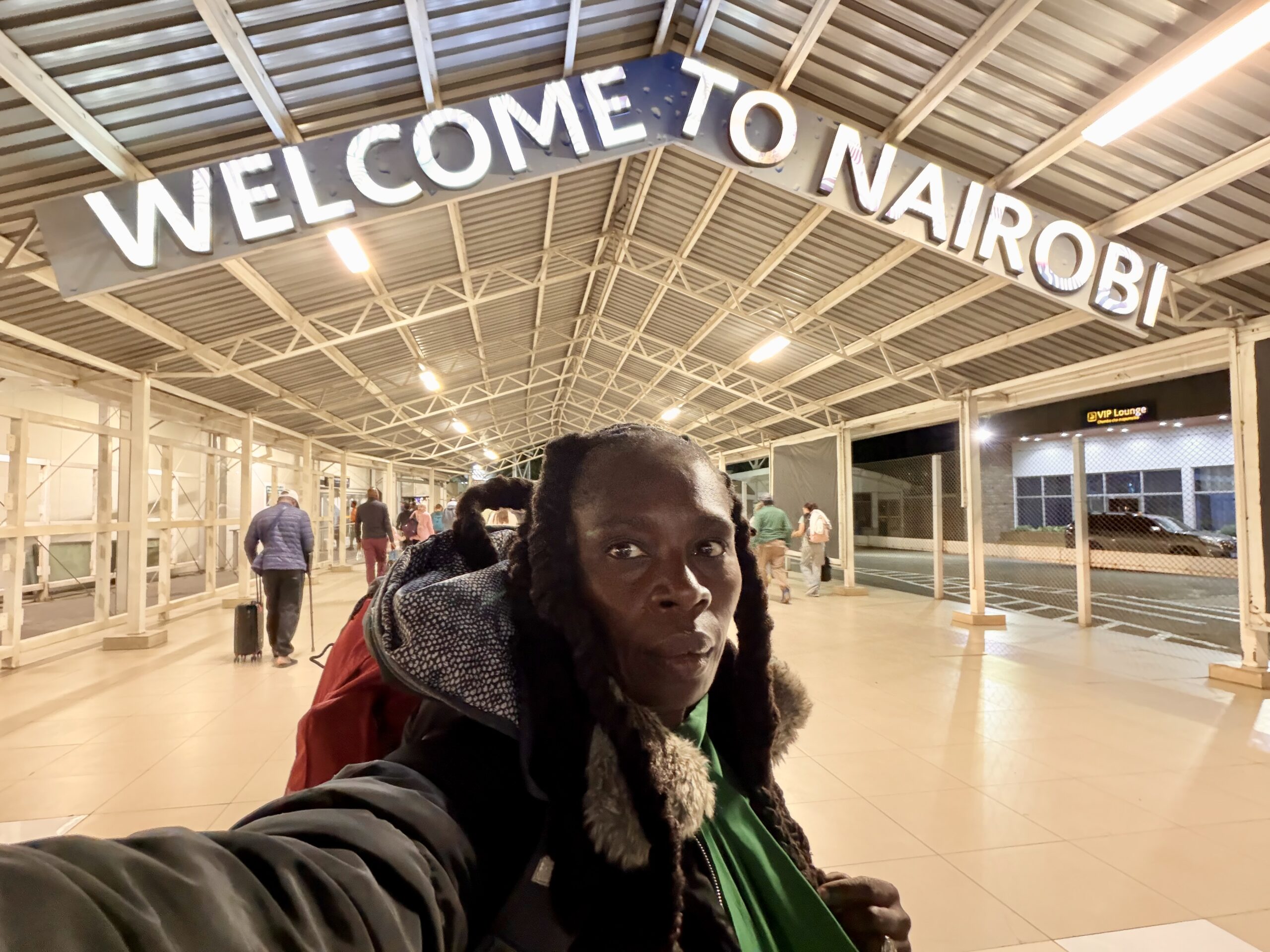
There is a particular kind of anxiety that many Nigerians know well when planning international flights. The anxiety starts when one researches visa requirements for the umpteenth time, just to make sure nothing has changed overnight. This follows one as one gathers documents, books flights, prints hotel reservations and prepares answers for questions one hopes nobody will ask. And even when one has done everything right, this anxiety sits in your heart whispering, “Will they let me into the country?”
I know this feeling very well. As a Nigerian who has spent years travelling the world and running marathons across more than 100 countries, I have learned that carrying a Nigerian passport often means carrying assumptions that have nothing to do with who I am. Sometimes I am viewed with suspicion before I speak a single word. Sometimes I feel as though I am being judged not by my character, but by the colour of the booklet in my hand. Sometimes I arrive at visa interviews or immigration counters already preparing to defend myself and my mission.
So when I boarded my flight to Kenya to run the Nairobi City Marathon, I carried some of those familiar fears with me. Before the trip, I was so convinced there had to be a catch in the “No visa required Policy” for Nigerians, so much so that I contacted Kenyan immigration several times to confirm that Nigerians really did not need a visa to visit Kenya.
I called several times. Each time, they said, “No visa required for Nigerian Passport Holders.”
I was certain someone had made a mistake because usually Nigerians have to cross several hurdles to obtain a visa into another country, especially in Africa. Some African countries, like Mauritania, won’t bother checking through your documents. Once you are Nigerian, your documents are tossed.
I have lived this many times that I assumed there was a hidden footnote in Kenya’s “No Visa for Nigerians” policy. There has to be something, I thought. Maybe an immigration officer would suddenly appear at the airport and say, “Ah, yes, technically no visa is required, except for you, a Nigerian.” So I kept checking until I practically knew the immigration information better than the immigration officers themselves.
Then I arrived in Kenya with crossed fingers and discovered that, astonishingly, they had been telling the truth all along. I did not have the feeling of being profiled at the immigration counter. I had no sense that I had to prove I deserved to be there. I was asked straightforward questions, given professional treatment and a warm welcome. For others, that might sound ordinary. For many Nigerians, that is not ordinary.
The warmth I experienced at the airport continued throughout my stay in Kenya. Kenya was not new to me; I had visited the country several times in the past with my family. Like many tourists, I had stayed in beautiful resorts, enjoyed excellent service, moved around in comfortable vehicles and experienced the Kenya presented to visitors. Those trips were wonderful. But they were also carefully curated such that I saw Kenya, but I didn’t necessarily feel Kenya. I wanted this trip to be different.
Over the last few years, I have changed the way I travel. Running marathons around the world has taught me that the soul of a country is rarely found behind hotel walls. The soul of the country lives in the ordinary moments of spending time on public transport, in neighbourhood markets, in conversations with strangers and in the kindness people show when nobody is watching.
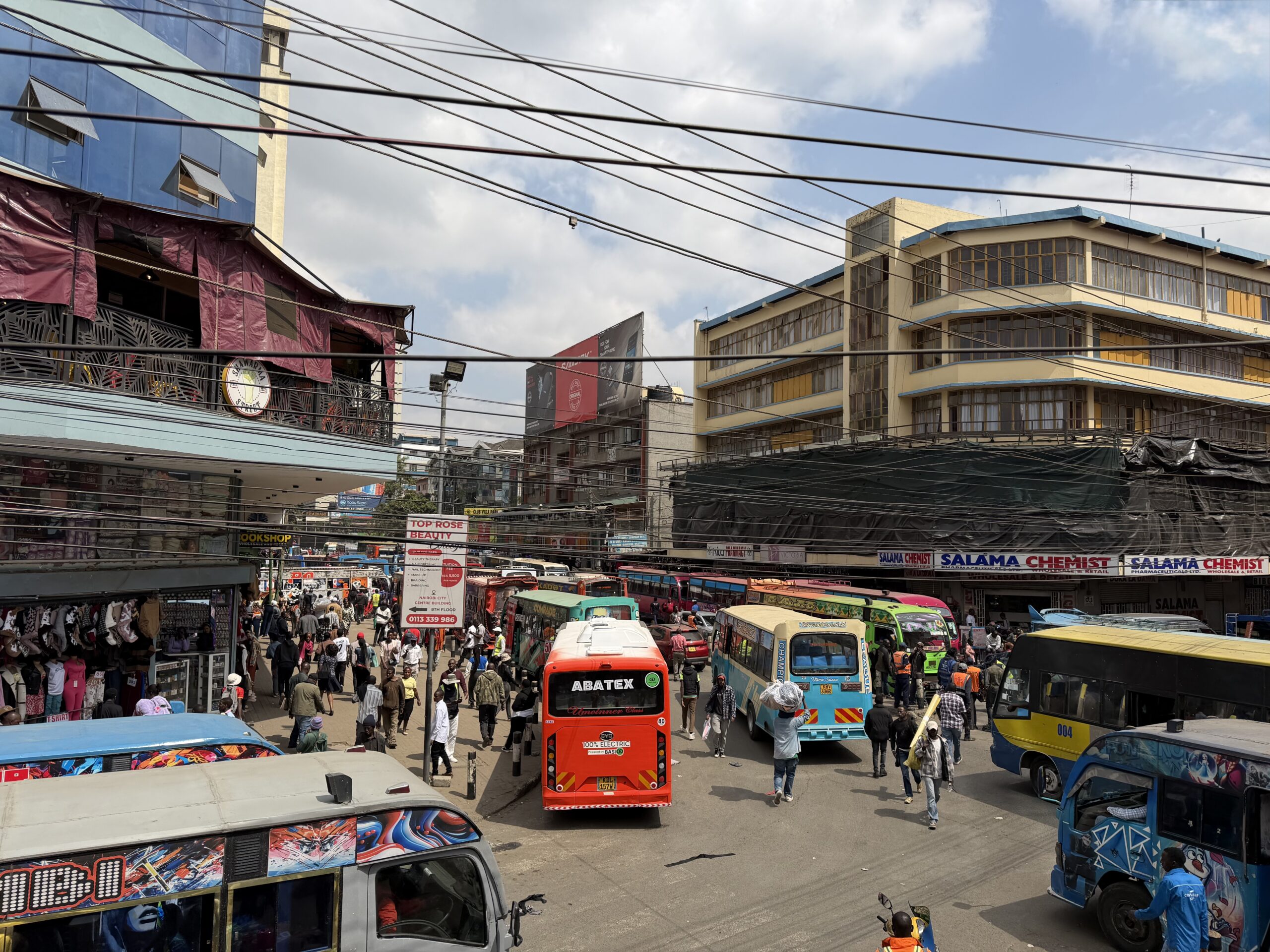
Before I arrived in Nairobi, I had reached out to my hotel for guidance on how to travel from the airport to the hotel. They told me to get an Uber. But I wanted to know how locals get around. Then the hotel staff member explained how to take a public bus into town from the airport and connect to Bus 46, which would take me to the hotel. Perfect, I thought. That was exactly what I wanted.
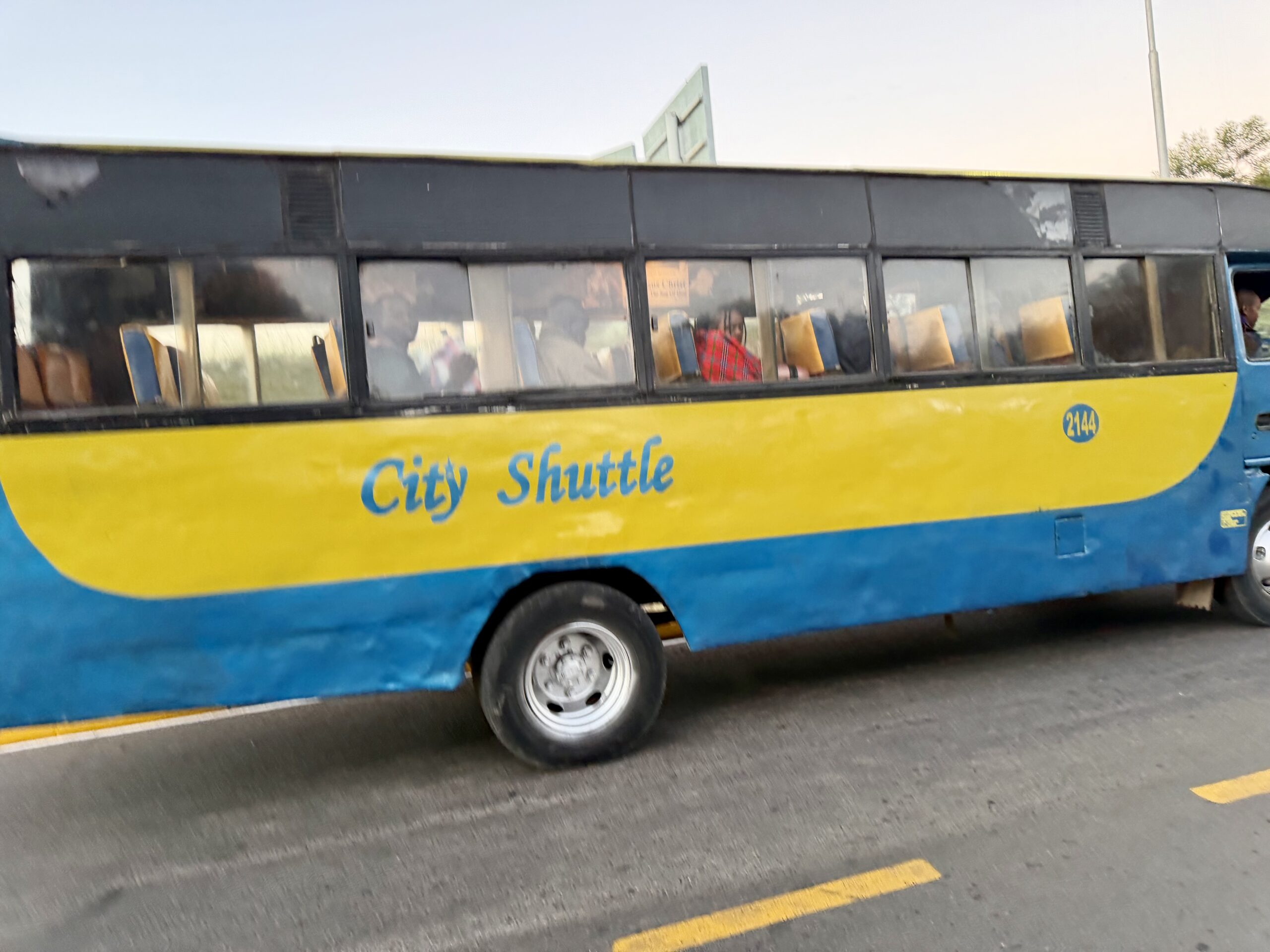
Kenya’s shuttle/Dayo Akinbode
We landed in Nairobi at 4:10 am on a workday, so after clearing immigration, I joined hundreds of Nairobi residents commuting to work. Even before I had properly begun my visit, I found myself moving alongside people starting their day, feeling less like an outsider and more like a participant in the rhythm of the city.
The roads were packed. The buses were full. The city was alive. People were not sightseeing. They were living. And so was I. I got off the bus at a Bus Stop I assumed was town to connect with Bus 46 as earlier instructed and waited patiently for Bus 46 to arrive. I waited and waited, but the bus never came. Eventually, I approached a woman nearby and explained my predicament. She told me I had disembarked at the wrong stage. (Kenyans call bus stops stages, something I learned very quickly.)
What happened next still amazes me. This kind Kenyan lady did not simply point me in the right direction; she personally connected me with another person who was heading in my direction. That person connected me with Bus 46 and then walked me all the way to my hotel. Two complete strangers interrupted their day to help another human being without expecting anything else in return.
I experienced more kindness the following day as I boarded a mini bus known in Kenya as a matatu to collect my marathon running bib. Inside the matatu, I listened to conversations, observed interactions and experienced a side of Nairobi no guided tour could ever reveal. For a few hours, I wasn’t observing Kenya. I was participating in Kenyan living.
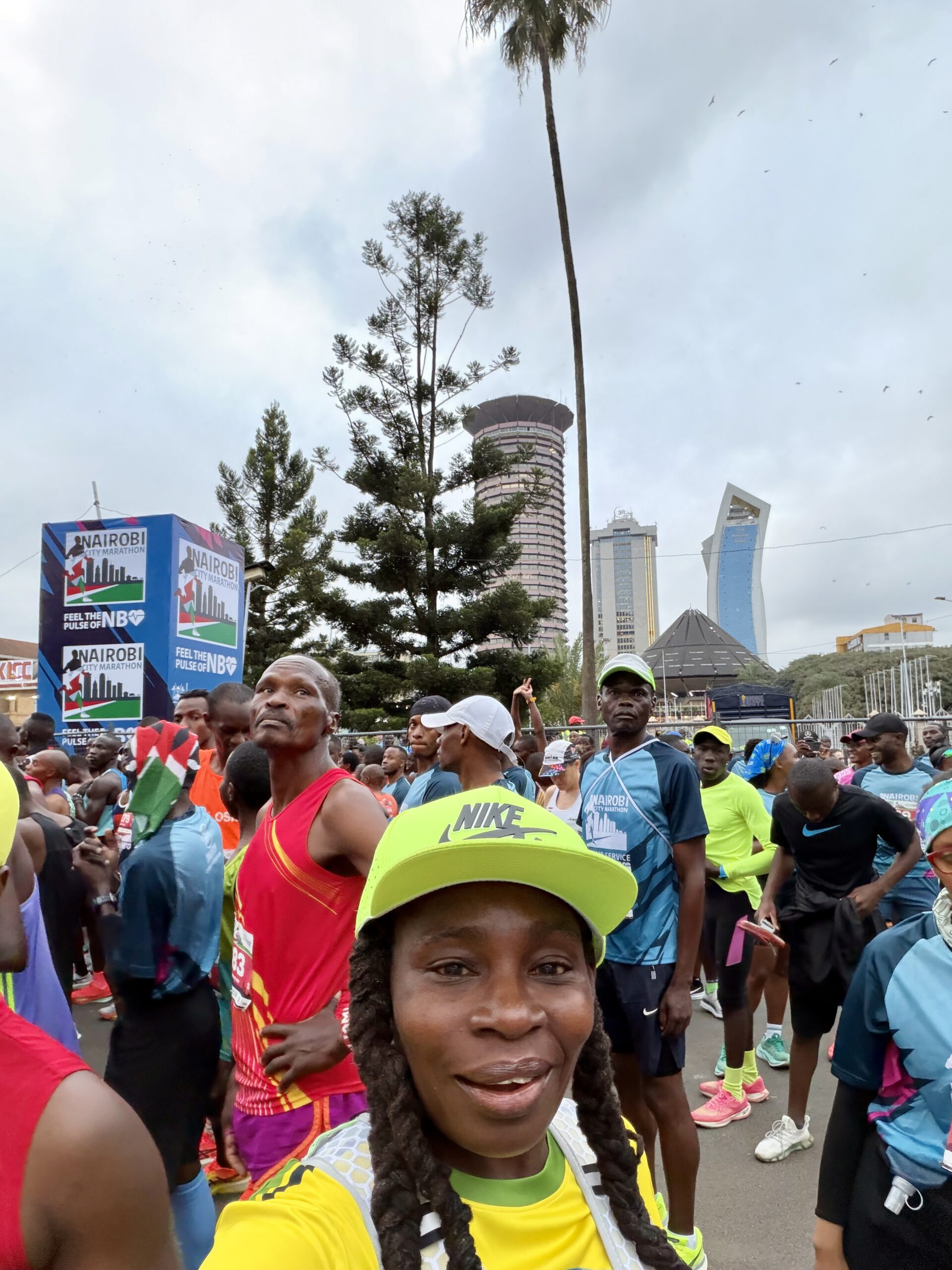
Then came race day. Anyone who has run a marathon knows that somewhere along the marathon course, the physical challenge becomes a mental one. The legs hurt. The energy drops. The finish line seems impossibly far away.
And that’s usually when humanity shows itself. That morning, humanity appeared in the form of a runner named Liban. Most runners focus on finishing their own races. Liban appeared to have adopted a different mission. He ran up and down the marathon course, encouraging struggling runners. He checked on people. He matched their paces. He offered words of encouragement. He reminded exhausted runners that they were stronger than they felt.
He found me just before Km 10. For several kilometres, he became my guardian angel. Nobody was paying him. There was no special award waiting for him at the end of the race. No camera crew was following him. He simply understood something many people forget. That success means more when you help someone else achieve their own goal.
Later in the race, around Km 22, I sighted another runner ahead of me. She was running alone. I was running alone at that time, too. I dug deep and caught up with her. We exchanged pleasantries and names. Without any discussions or permissions, we naturally fell into step together. Sometimes we talked. Sometimes we ran in silence. Sometimes one person carried the conversation while the other carried the determination. Kilometre after kilometre, we kept each other moving. Eventually, we crossed the finish line together. Strangers at the start. Friends by the finish. Dayo in Green and Veronica in Pink painting Nairobi in Green and Pink.
As my days in Kenya came to an end, I reflected on what I would remember most. The people. The woman who helped a lost Nigerian traveller. The stranger who walked me to my hotel. The passengers in the matatu. Liban. Veronica. The countless people who greeted me with smiles and genuine warmth. More than once, random people said to me when they realised I couldn’t speak Swahili, “You are welcome in Kenya.”
I arrived in Kenya expecting to run a marathon. I left with a reminder that Africa’s greatest wealth is not found in oil fields, mineral deposits, wildlife reserves or breathtaking landscapes. Africa’s greatest wealth is found in people. Kenya, thank you for choosing kindness.
The post Dayo Akinbode: How Kenya Welcomed With Kindness as a Nigerian appeared first on BellaNaija - Showcasing Africa to the world. Read today!.