Niger Sets Tough Security Conditions Before Reopening Border With Benin
Niamey, Niger — Niger has outlined a series of strict security demands that must be met before it will reopen its border with neighbouring Benin, nearly three years after it was closed following the 2023 military coup. The conditions mark the latest step in efforts by both countries to repair relations after years of political [...]
 Black News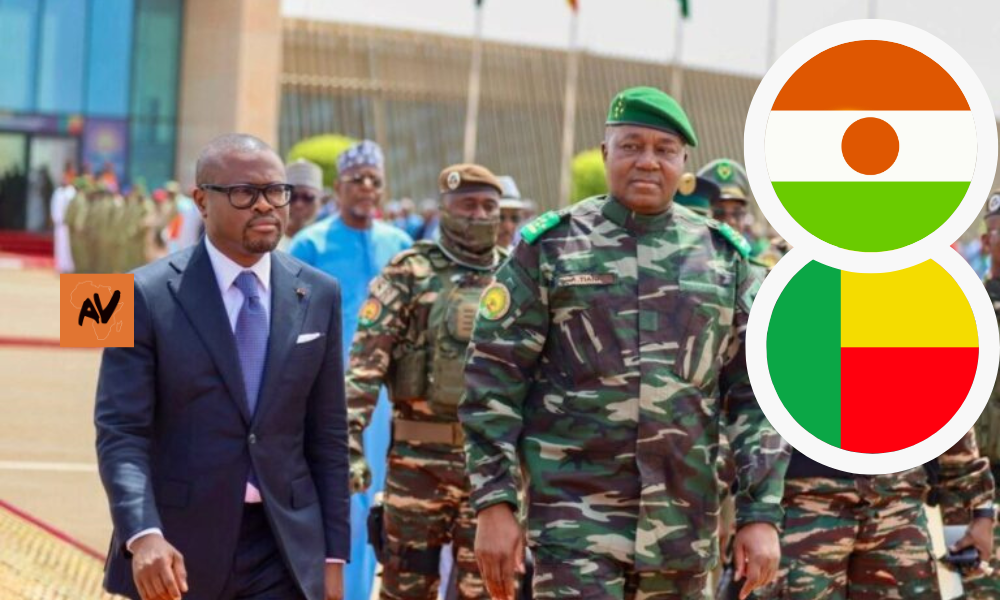
Niamey, Niger — Niger has outlined a series of strict security demands that must be met before it will reopen its border with neighbouring Benin, nearly three years after it was closed following the 2023 military coup.
The conditions mark the latest step in efforts by both countries to repair relations after years of political tension and mutual accusations over security.
Officials from Niger and Benin concluded two days of technical talks in Cotonou this week, producing draft agreements on defence cooperation, border management and intelligence sharing. The proposals will now be submitted to the two presidents for approval before any decision is made on reopening the frontier.
Security Comes Before Trade
Unlike previous discussions that focused on restoring trade and the movement of people, Niger’s military government says security guarantees must come first.
The country is demanding a legally binding defence and security agreement preventing either nation from allowing its territory to be used for hostile activities against the other.
It is also seeking greater transparency over foreign military deployments near the shared border and wants a permanent intelligence-sharing mechanism to coordinate efforts against armed groups operating across both countries.
The measures reflect Niger’s growing emphasis on national sovereignty since the military seized power in July 2023.
Why the Border Closed
The border was initially shut after the military coup that removed President Mohamed Bazoum.
Following the takeover, the regional bloc ECOWAS imposed sanctions on Niger, including border closures, while warning that military intervention remained an option if constitutional rule was not restored.
As an ECOWAS member, Benin enforced those sanctions.
Although the regional penalties were later lifted, Niger chose to keep its border closed, arguing that its concerns had shifted from politics to national security.
The government has repeatedly accused Benin of allowing French military forces to operate on its territory in ways that could threaten Niger’s security.
Benin has consistently rejected those allegations, insisting that it does not host foreign military bases intended to destabilise its neighbour.
Diplomatic Relations Improve
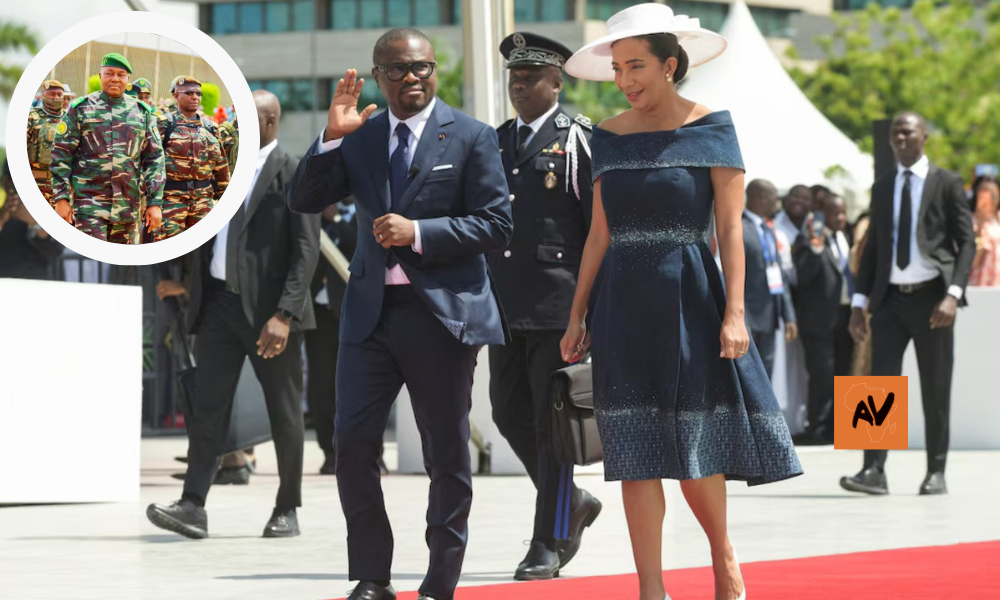
Relations appeared to improve earlier this month when Benin’s newly elected President, Romuald Wadagni, travelled to Niamey for talks with Niger’s transitional leader, General Abdourahamane Tiani.
It was the first visit by a Beninese president since the coup and ended with both governments announcing a roadmap aimed at restoring cooperation.
A joint committee was established to identify practical conditions for reopening the border.
That committee has now completed its recommendations after meetings in Cotonou.
ALSO READ: Zambia’s New Free Education Law Could Shape the Future of Millions
French Military Presence Remains Sensitive
One of the most sensitive issues remains the presence of French troops in northern Benin.
Niger argues that any foreign military activity close to its border must be transparent and subject to security guarantees.
For the military authorities in Niamey, limiting foreign influence has become a central pillar of national security policy.
Since taking power, the government has expelled French troops from Niger while strengthening security partnerships with countries including Russia and Turkey.
Benin, however, maintains that any international military cooperation on its territory is directed solely at combating terrorism and not at threatening neighbouring states.
A Growing Regional Security Challenge
Both countries face increasing attacks from jihadist groups operating across the Sahel.
Militants linked to Jama’at Nasr al-Islam wal Muslimin (JNIM) and Islamic State Sahel Province have expanded their operations into northern Benin, using porous borders to move between countries.
Security analysts say greater intelligence sharing could improve efforts to monitor armed groups that frequently cross national boundaries.
That shared threat has become one of the strongest arguments for restoring cooperation despite political differences.
What Happens Next?
Three draft agreements covering defence cooperation, security coordination and border reopening procedures are expected to be reviewed by Presidents Tiani and Wadagni.
If approved, the documents will be formally signed in Niamey before the border can reopen.
Neither government has announced a timeline, but officials have expressed optimism.
Niger’s Interior Minister, General Mohamed Toumba, described the negotiations as the beginning of “a new era,” while Benin’s Foreign Minister, Olushegun Adjadi Bakari, said the agreements could restore the long-standing ties between the two countries.
A Sign of a Wider Regional Shift
The negotiations also illustrate a broader change across the Sahel.
Military-led governments in Niger, Mali and Burkina Faso have increasingly placed defence cooperation, intelligence sharing and control over foreign military presence at the centre of their foreign policy.
The three countries formed the Alliance of Sahel States (AES) after breaking away from ECOWAS, arguing that regional security should take precedence over political pressure from external partners.
Analysts say Niger’s negotiations with Benin may become a test case for how neighbouring countries manage security concerns while attempting to restore economic ties.
The Bottom Line
For now, the border between Niger and Benin remains closed.
Its reopening will depend not only on diplomatic goodwill but also on whether both governments can reach agreement on issues that go far beyond trade.
For Niger, reopening the frontier is no longer simply about allowing goods and travellers to cross. It has become a question of sovereignty, military cooperation and long-term security in one of West Africa’s most volatile regions.