dfcu Bank Anchors Collaboration Across International Schools Sector
As Uganda’s education sector confronts rising costs, increasing regulatory complexity, and shifting global standards, dfcu Bank has signaled a deeper strategic commitment to supporting institutional growth, sustainability, and long-term resilience, particularly within the country’s international schools’ segment. This position emerged during a high-level International Schools Forum hosted at dfcu’s Nakasero headquarters, convening school proprietors, education regulators, […] The post dfcu Bank Anchors Collaboration Across International Schools Sector appeared first on Daily Star.
 Black News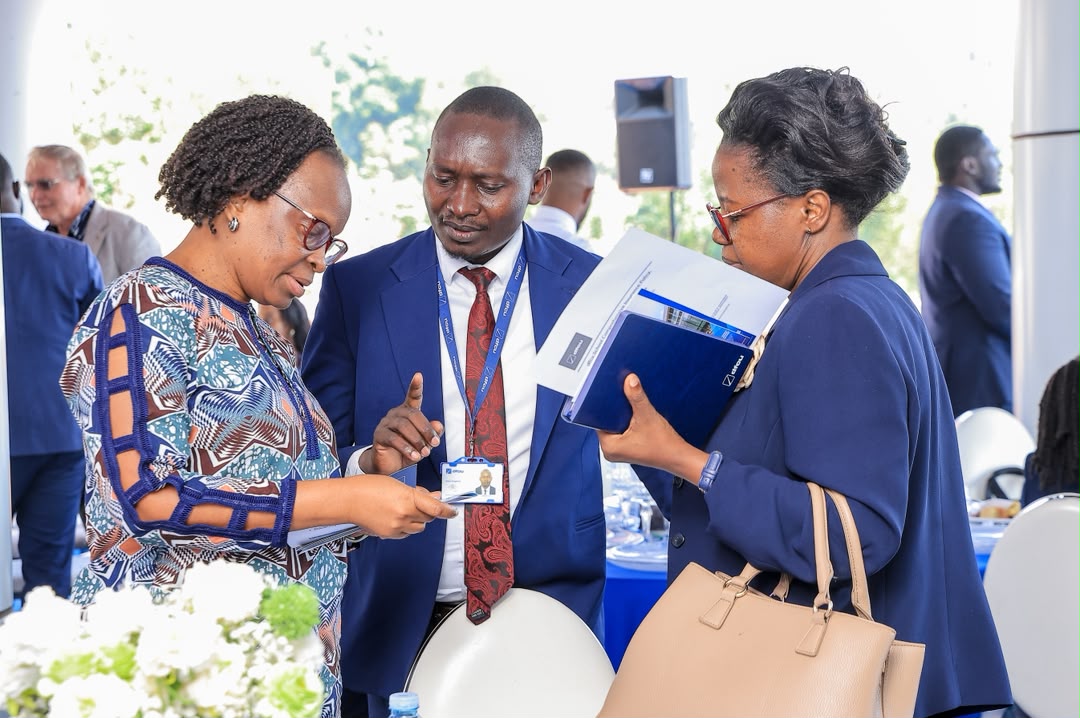
As Uganda’s education sector confronts rising costs, increasing regulatory complexity, and shifting global standards, dfcu Bank has signaled a deeper strategic commitment to supporting institutional growth, sustainability, and long-term resilience, particularly within the country’s international schools’ segment.
This position emerged during a high-level International Schools Forum hosted at dfcu’s Nakasero headquarters, convening school proprietors, education regulators, curriculum providers, and private sector partners to examine the structural challenges and emerging opportunities shaping education delivery in Uganda.
The dialogue comes at a time when private and international schools are under pressure to balance international accreditation standards with local operating realities; from foreign currency exposure on curriculum costs to the need for continued investment in infrastructure, technology, and staff retention.
Recent sector conversations have also pointed to a growing need for closer collaboration between policymakers and private education providers, particularly around regulatory clarity and financial sustainability
dfcu Bank’s engagement reflects a broader shift in how financial institutions are interacting with the education sector, moving beyond traditional lending toward more integrated, advisory-led partnerships.
Drawing on its long-standing role in Uganda’s economic development, including consistent support to sectors such as education, health, and enterprise, the bank positioned itself as a growth partner rather than just a financier.
Speaking at the forum, dfcu’s CEO Charles Mudiwa underscored the central role education plays in shaping national outcomes, linking today’s classroom experiences to the country’s future workforce and leadership.
“Schools shape the nation we become. The quality of education and the values imparted to young people ultimately determine the future of our country,” he said.
Mudiwa also highlighted the bank’s appreciation of the operational realities schools face; from infrastructure development and resource management to sustaining academic quality under evolving global frameworks – drawing from his own experience in education before transitioning into banking.
Uganda’s international schools segment has expanded significantly over the past decade, driven by demand for globally recognised curricula such as Cambridge, International Baccalaureate (IB), and Accelerated Christian Education (ACE).
However, this growth has come with increased capital requirements. Schools are required to continually invest in modern science and technology laboratories, digital learning platforms, transport and boarding infrastructure and teacher training aligned to international standards.
At the same time, institutions must manage fluctuating enrolment cycles, rising operational costs, and pressure from parents already navigating school fee affordability. To anchor schools as they navigate these changes, dfcu’s education sector strategy is anchored on enabling institutions to scale sustainably while also supporting the broader ecosystem that underpins learning outcomes.
Bryan Katamba, dfcu’s Sector Head for Education and Health, noted that the bank’s focus is on driving both institutional efficiency and educational quality.
“Our role is not just to finance schools, but to support the entire education ecosystem; helping institutions grow, operate more efficiently, and deliver better outcomes for learners,” he said, during the engagement.
Over the years, dfcu has financed a range of school expansion and infrastructure projects across the country, including land acquisition, classroom blocks, laboratories, and student facilities. These investments are directly linked to improving capacity, learning environments, and compliance with international standards.
The bank has also extended asset financing solutions that support schools in acquiring essential equipment; from transport fleets to specialised teaching tools; reflecting a broader trend where access to capital goods directly influences education access and quality. Beyond institutional financing, dfcu is increasingly targeting the affordability challenge faced by families – a key pressure point affecting both enrolment stability and school revenues.
The Bank’s model reflects a more holistic approach to education financing, recognising that institutional sustainability is closely tied to household financial resilience. Participants at the forum emphasised that the future of Uganda’s education sector will depend on stronger collaboration between schools, financial institutions, regulators, and curriculum providers.
Kate Kiiza, dfcu Bank’s Executive Director for Corporate and Institutional Banking, said the forum provides a platform for stakeholders to address shared challenges and develop practical solutions.
“Education remains one of the most powerful drivers of prosperity. Supporting its growth is central to Uganda’s development journey,” she said.
The post dfcu Bank Anchors Collaboration Across International Schools Sector appeared first on Daily Star.