Can A Foreigner Own Land In Ghana?
Ghana is a leading destination for foreign investors with business interests in Africa. But many know little about ownership and leasing of land in Ghana. Over the years, many changes have taken place in the way Ghana and Ghanaians manage land. Hunting and gathering that were once famous in Africa are long gone. Commercial, agriculture, [...]
 Black News

Ghana is a leading destination for foreign investors with business interests in Africa. But many know little about ownership and leasing of land in Ghana. Over the years, many changes have taken place in the way Ghana and Ghanaians manage land.
Hunting and gathering that were once famous in Africa are long gone. Commercial, agriculture, and industrial uses are becoming increasingly popular. Similarly, land tenure systems continue to evolve. For example, individualized land ownership is slowly eroding communal land ownership.
Alongside these changes, more and more tight controls over who owns land are now in place. If you are a foreigner with investment interests in Ghana, you’ve come to the right place. We take a deep dive into issues surrounding land ownership by foreigners in Ghana. But before that, let’s take a look at trends in land rights in the continent.
ALSO READ: Here Is What You Can Or Cannot Do With Ghana Card
Land Ownership and Use in Africa
Today, land is of great importance to African societies and economies more than ever. It contributes to a major share of employment and GDP. In essence, it is a major source of livelihood for large African populations.
Yet, in many parts of Africa, land continues to become scarce. This is due to various pressures including population growth. As a result, increased competition for land by different groups is now widespread.
Besides, social-economic changes have in many parts eroded customary institutions and rules. These were responsible for managing land ownership. Tensions relating to land are acute in some regions because of inequitable distribution. These tensions have had major implications at regional and national levels. Most of them relate to issues like who can own or control the scarce valuable land.
In response, many African countries have adopted new laws and policies. Governments are keen to restructure land use and ownership. Land issues have also been common in the agendas of foreign investors. Their aim is to contribute toward reforms that will end such issues.
Overall, there are major trends that prevail across Africa. But answering the land ownership question calls for great specificities. This is because different countries in Africa have different land laws and policies.
How much Land does Ghana have?
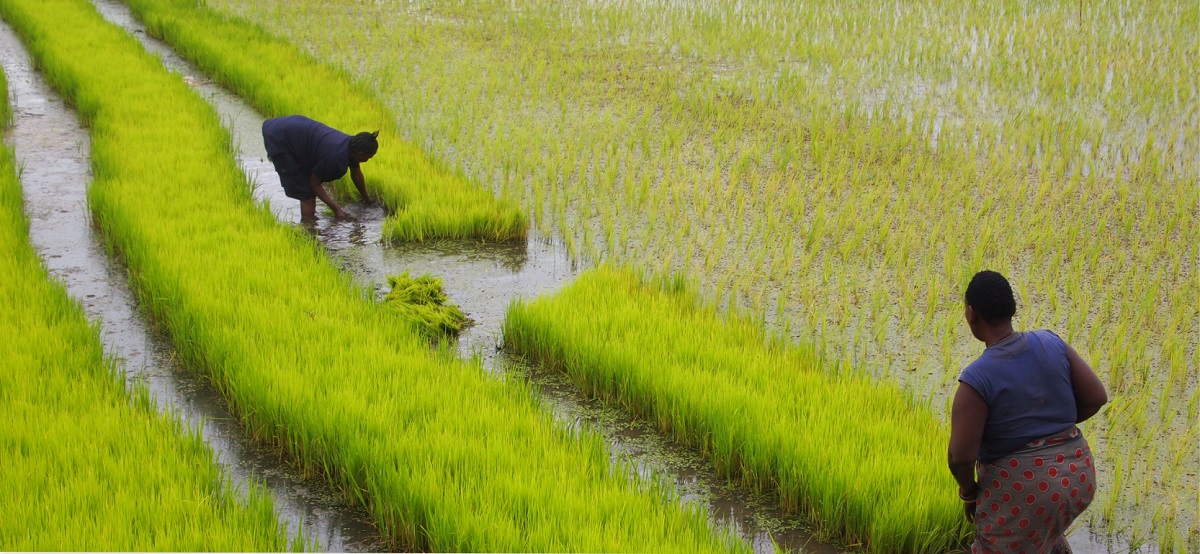
Ghana has over 22 million hectares of land of which close to 69% is used for agriculture. The West African nation borders Côte d’Ivoire on the west, Togo on the east, and Burkina Faso on the north.
The Atlantic Ocean is on the southern side of the country. Land in Ghana is a valuable resource. This is because Ghanaians have realized the benefits of putting land to good use. Large-scale farming by both individuals and groups is on the rise.
ALSO READ: Ghana’s Tourism Efforts Pay Off As Chance The Rapper Leads American Celebrities To Return To Ghana
Land Tenure System in Ghana
Ghana has a plural land tenure system. It consists of two main classes: public land tenure and customary land tenure. The Ghanaian constitution vests all public lands in the State. In other words, the president holds these lands in trust for the people of Ghana and the public interest.
Hence, the Lands Commission manages all public land in Ghana. The Constitution gives rights over customary land to chiefs and other leaders. These fiduciaries take care of the land in the trust of their subjects, whether unborn, living, or dead.
In Ghana, customary land tenure accounts for about 80 percent of undeveloped land. So, if you have land interests in Ghana, customary land tenure is the most common. Leaders of different landholding groups allot and manage land transactions.
But this varies based on different practices and customs. For this reason, foreigners should ensure to get some local knowledge. Doing so is helpful because land deals vary from one community to another.
Can A Foreigner Own Land In Ghana?
The short answer is yes, but with critical constitutional limitations.
If you are an expat, a member of the diaspora, or an international investor looking at Ghana’s booming real estate market, you can safely acquire residential and commercial property. However, you cannot “own” the land forever in the way a native citizen can. Under Ghanaian law, your ownership is structured as a time-limited legal lease.
This guide breaks down exactly what you can buy, how long you can hold it under the Land Act of 2020, and how to safely complete a transaction without falling victim to land scams.
1. The 50-Year Rule: Freehold vs. Leasehold
The foundational law governing real estate is Article 266 of the 1992 Constitution of Ghana, which was further updated and tightened by the Land Act, 2020 (Act 1036).
The law draws a sharp line between two types of property interests:
- Freehold Interest: Absolute, perpetual ownership of the land with no expiration date. The law explicitly bans non-citizens from holding a freehold interest in Ghanaian land. Any legal document or contract that purports to sell a freehold title to a foreigner is legally void from the beginning.
- Leasehold Interest: Temporary ownership of the land for a specific number of years. Foreigners are legally permitted to acquire leaseholds for a maximum term of 50 years at any one time.
While you do not own the dirt under your feet permanently, you completely own any structures, villas, or apartment units built on that land for the duration of the 50 years. You hold the full legal right to live in it, lease it out for rental income, sell your remaining lease years to another buyer, or pass the interest down to your heirs.
Citizen vs. Foreigner Comparison
| Property Feature | Ghanaian Citizen | Foreign National / Expat |
| Max Lease Term | Up to 99 years (Renewable) | Max 50 years per term |
| Freehold Rights | Allowed on certain private/family lands | Strictly Prohibited |
| Dual Citizens | Holds full 99-year/freehold rights | Holds full 99-year/freehold rights |
| Foreign-Owned Corps | Bound by 99-year rule if <40% foreign | Restricted to 50 years if >40% foreign |
Important Note on Corporate Ownership: Setting up a local Ghanaian company to bypass the 50-year limit only works if native citizens hold the majority stake. Under Act 1036, if a corporation has more than 40% foreign equity or ownership, the law treats the entire company as a non-citizen entity, capping its land leases at 50 years.
ALSO READ: See What The Wireless Earbuds Developed By This Ghanaian-British Entrepreneur Can Do
Ensure to include all the required documents in the application for quicker processing. The allocation of the other three land types follows the customary land tenure. So, if you want to lease private land, for instance, you should negotiate with the owner of the land.
Similarly, negotiations on family land ought to involve the family heads. Then, land interests relating to stool lands should be directed to the respective chief.
2. The 4 Categories of Land in Ghana
Before handing over a financial deposit, you must identify who actually owns the roots of the property. Ghana’s land is divided into four complex buckets:
- Private Lands: Freehold land acquired by individuals or companies before the modern constitutional bans took effect.
- Stool or Skin Lands: Land controlled by traditional leaders, such as kings, chiefs, or clan heads on behalf of their communities. Act 2020 strictly bans chiefs from selling freehold interests to anyone—even Ghanaian citizens. You can only secure a lease here.
- Family Lands: Land handed down through generations within specific native families. Transactions require the explicit written consent of the designated family head and principal members.
- State (Public) Lands: Land owned directly by the government. These are usually the safest parcels to lease because the titles are clear, documented, and less prone to local disputes.
3. Step-by-Step Guide to Buying Land Safely
Land litigation accounts for a massive percentage of open cases in Ghana’s High Courts. To ensure your investment is secure, you must follow a strict, non-negotiable legal process.
A. Conduct a Lands Commission Search:Prerequisite Step.
Never buy land based on a seller’s word or a basic paper copy. Obtain the formal site plan from the seller and submit it to the Lands Commission for an official title search. This independent check confirms who holds the superior title and uncovers any existing mortgages or court injunctions linked to the plot.
B. Validate the Boundaries and Survey:Site Verification.
Hire an independent, licensed surveyor to verify the pillars and boundaries of the property. Ensure the physical dimensions perfectly match the official site plan submitted to the government. This step protects you from overlapping boundary claims made by neighboring owners.
C. Draft the Indenture (Lease Agreement):Legal Documentation.
Retain an independent real estate lawyer to draft or thoroughly review the Deed of Conveyance (the Indenture). The document must clearly state a lease term of 50 years or less, lay out specific renewal options, and establish formulas for ground rent and renewal premiums.
D. Execute and Pay the Stamp Duty:Tax Compliance.
Sign the final agreement alongside the seller and verified witnesses. Take the signed documents to the Ghana Revenue Authority (GRA) to assess and pay your stamp duty tax. The state will not formally register your property until this transaction tax is settled.
E. Register the Title Document:Final Legal Security.
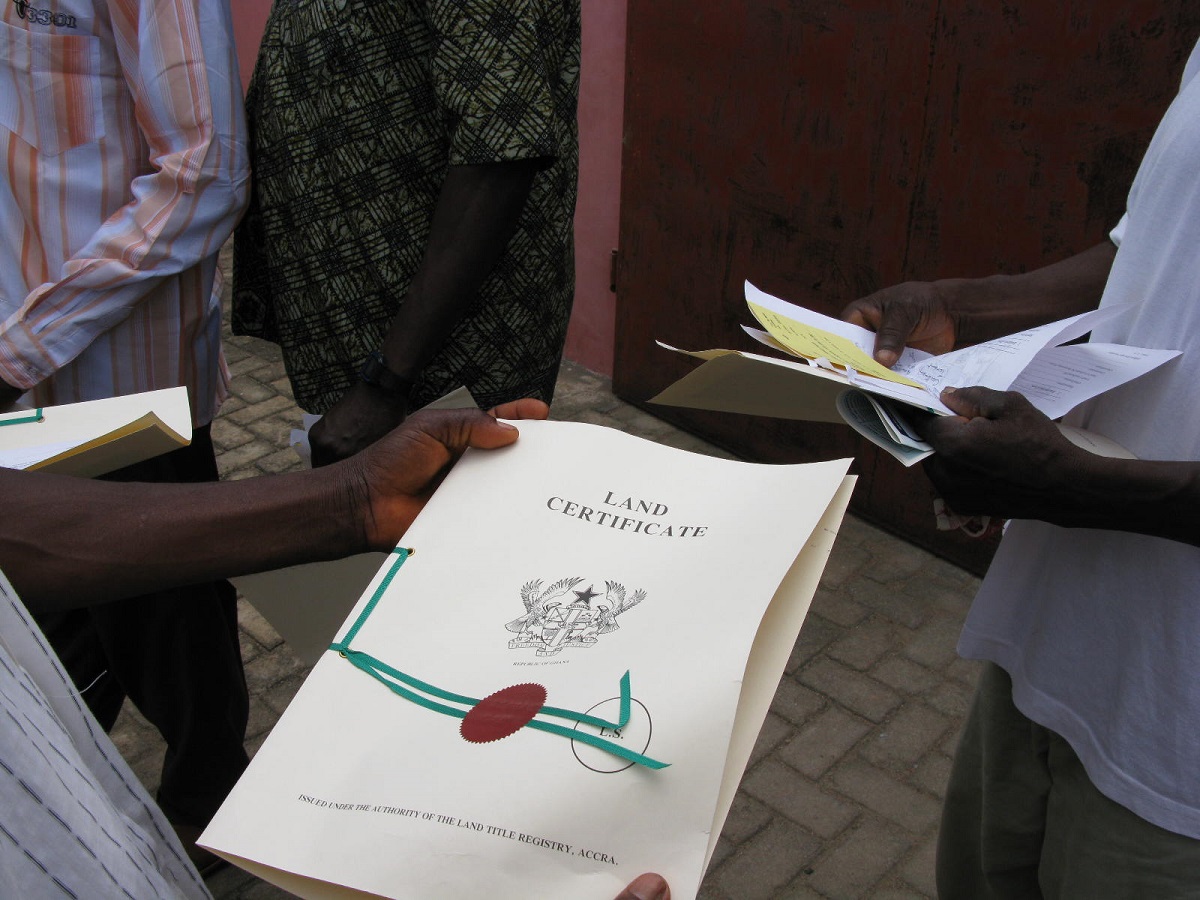
Submit the stamped indentures back to the Lands Commission to complete the official title registration. Once processed, you will receive a Land Title Certificate or registered deed in your name, which provides absolute, state-backed protection of your 50-year tenure.
ALSO READ: Meet The Fast Rising Ghanaian Designer Gracilla Akade-Yeboah AKA Black Girl Akila
#4. Pay for the leased land
Even before you get to this point, familiarize yourself with land leasing prices in Ghana. This information is vital because prices vary based on location. The lessor, land condition, and duration also influence land prices.
For example, titled and serviced land cost more than unregistered and unserviced land in Ghana. Once you make the necessary checks and get satisfied with the offer, pay for the property. Some lessors may agree to receive lease payments in installments.
4. Crucial Tips for International Buyers
- Secure Explicit Renewal Clauses: Because lease renewals for foreign nationals are not automatically guaranteed by common law, ensure your lawyer inserts a robust “Option to Renew” clause into your contract. This clause should explicitly outline the exact timeline and premium costs required to extend your lease for an additional 50 years when the initial term nears its end.
- Don’t Rely on the “Family Route”: Many expats attempt to buy land using the name of a local friend, spouse, or remote family member to secure a 99-year lease. If relationships sour, proving your financial contribution and ownership rights in court becomes an uphill legal battle. It is always safer to hold a legitimate 50-year lease explicitly in your own name or via a registered business entity.
- Secure a Non-Citizen Ghana Card: While a special visa is not required to complete a real estate transaction, obtaining a Non-Citizen Ghana Card from the National Identification Authority (NIA) simplifies local banking setups, identity verification steps, and ongoing legal compliance.
Conclusion
In recent years, Ghana has emerged as an attractive investment destination in Africa. Many foreigners are now eyeing Ghana for business expansion in Africa. If you are a foreign investor, you now know how to go about leasing land in Ghana. Take a look at our real estate directory for any land opportunities or contact us for further help in this area.