Did Madonna Invent the Pop Star Remix Album?
After four months of nothing but Brat, Charli xcx decided it was time for more Brat. Specifically, the completely remixed version of the original LP (Brat and it’s completely different but also still brat), which flexed features from Bb trickz, Julian Casablancas, Ariana Grande, to reimagine the entire Brat tracklist. The result was pretty much a second Brat that also wasn’t Brat at all. The title didn’t lie.Since then, it feels like every main pop girl has opted for a remix album instead of tacking a few new tracks onto a deluxe. Brat and its completely different broke through a ceiling in the slightly left-of-center pop mainstream, as if she reminded us and her contemporaries that full remix albums were even an option. We’ve since seen similar efforts from Rose Gray, PinkPantheress, and Smerz, and more are on the way, like Zara Larsson’s upcoming Girl’s Trip. @zaralarsson GIRLS TRIP!!!!!! I can’t believe it’s happening. The best summer ever starts may 1st!!!! But by no means did Charli create the remix album. Like most things pop culture, all remix album roads lead back to the Mothers: Madonna and Janet. On You Can Dance (1987), Madonna reimagined tracks from her first three albums, while janet. Remixed (1995) only features about half of the original janet. tracklist. Jennifer Lopez and Britney Spears would usher the trend into the 2000s with J to tha L-O! and the first volume of B in the Mix. Mariah Carey would similarly release the club classic The Remixes in 2003. But by the late 2000s, the remix album had largely given way to the bonus-track deluxe, especially as “mainstream” pop moved away from those gritty club tracks that could be more intuitively remixed. Think: Adele, Bruno Mars, Mumford & Sons. Among all the big-name pop stars throughout the 2010s, like One Direction, Ariana Grande (My Everything), and especially Taylor Swift, deluxe editions would become defining parts of their catalogues. And the bonus-track deluxe is still kicking: Sabrina Carpenter’s Short n Sweet (Deluxe) and Olivia Rodrigo’s GUTS (spilled) are perfectly recent examples of what feels like the industry-standard deluxe form. Charli herself did it with Crash just two years before Brat, adding four new songs to the original tracklist while actively playing the Main Pop Girl game. Even as mainstream pop battled between EDM and “ho-hey!” in the 2010s, remix albums persisted in the underground electronic and R&B spaces. Kelela has released top-to-bottom remix projects since the Cut 4 Me EP and her debut album Hallucinogen in 2015, getting renditions from artists like Kaytranada, Princess Nokia, and Yaeji. Kaytranada, specifically, has become a kind of cosigner in that pop-R&B-club space, with his remixes serving as a go-to bridge between scenes (Rochelle Jordan, Kali Uchis), ushering that ever-changing sonic spirit into the 2020s. Into the late 2010s, pop remixes were mostly one-offs: Calvin Harris’ Funk Wav remix of SZA’s “The Weekend,” Lorde compiling the very-of-the-time group of Post Malone, SZA, and Khalid for a 2018-pilled “Homemade Dynamite.” Early in the Brat rollout, when we’d only heard the “Von dutch” remix with Addison Rae and A.G. Cook, this seemed the more likely route for Charli. In the pandemic era, as pop turned back toward the dancefloor and artists had more time to experiment, Dua Lipa and Lady Gaga both released their own ravey dance-pop LPs (Future Nostalgia and Chromatica, respectively), each with a remixed counterpart. Dua went on to drop Club Future Nostalgia, a collab with The Blessed Madonna that evokes ‘90s British radio-DJ mixes, featuring remixes by Jayda G, Mark Ronson, and London disco mainstays Horse Meat Disco. Gaga recruited a grab-bag of hyperpop, triphop, and electronic artists for Dawn of Chromatica, with remixes and occasional verses from Ashnikko, Arca, Shygirl and Dorian Electra. Dawn, specifically, follows the same tracklist order as Chromatica, making it feel even more like an evil counterpart.When Tame Impala’s Rushium tour was put on pause at the start of the pandemic, just weeks after he dropped his fourth full-length, The Slow Rush, Kevin Parker released The Slow Rush in an Imaginary Place. It’s less of an on-the-nose remix album than an environmental reinterpretation, with ambient crowd chatter and a faraway effect that sounds like the album is reverberating from the club across the street. This was also a less formal “drop” (released to SoundCloud and YouTube rather than an official streaming release), but it’s a reinterpretation that gets at the sonic malleability at the core of remix efforts, especially in the electro-pop space. And in that same vein, on the production side, Parker’s work with Dua Lipa on 2024’s Radical Optimism resulted in an extended cut of the LP that added 20 minutes of music to the original tracklist, offering a trancey counterpart to the original’s pure pop sensibilities. This is to say that Charli xcx didn’t so much invent the remix album as she did rein
 Black News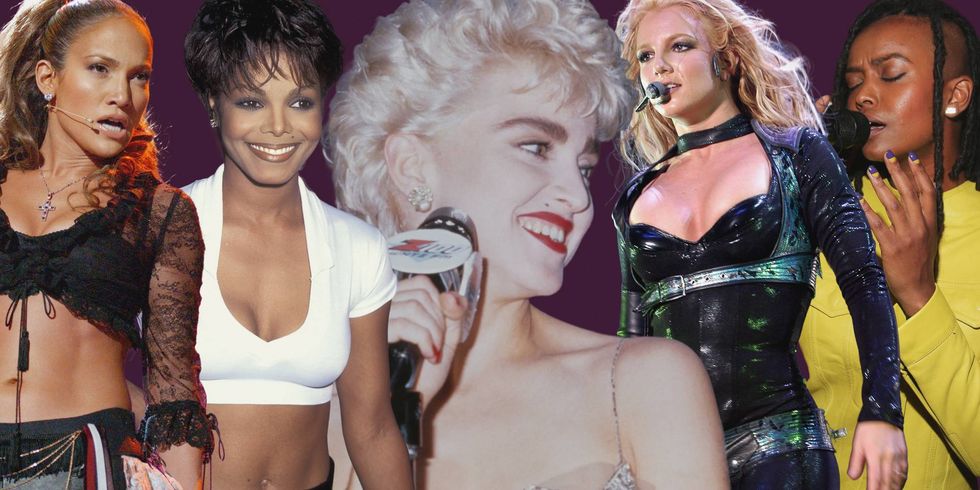

After four months of nothing but Brat, Charli xcx decided it was time for more Brat.
Specifically, the completely remixed version of the original LP (Brat and it’s completely different but also still brat), which flexed features from Bb trickz, Julian Casablancas, Ariana Grande, to reimagine the entire Brat tracklist. The result was pretty much a second Brat that also wasn’t Brat at all. The title didn’t lie.
Since then, it feels like every main pop girl has opted for a remix album instead of tacking a few new tracks onto a deluxe. Brat and its completely different broke through a ceiling in the slightly left-of-center pop mainstream, as if she reminded us and her contemporaries that full remix albums were even an option. We’ve since seen similar efforts from Rose Gray, PinkPantheress, and Smerz, and more are on the way, like Zara Larsson’s upcoming Girl’s Trip.@zaralarsson GIRLS TRIP!!!!!! I can’t believe it’s happening. The best summer ever starts may 1st!!!!
But by no means did Charli create the remix album.
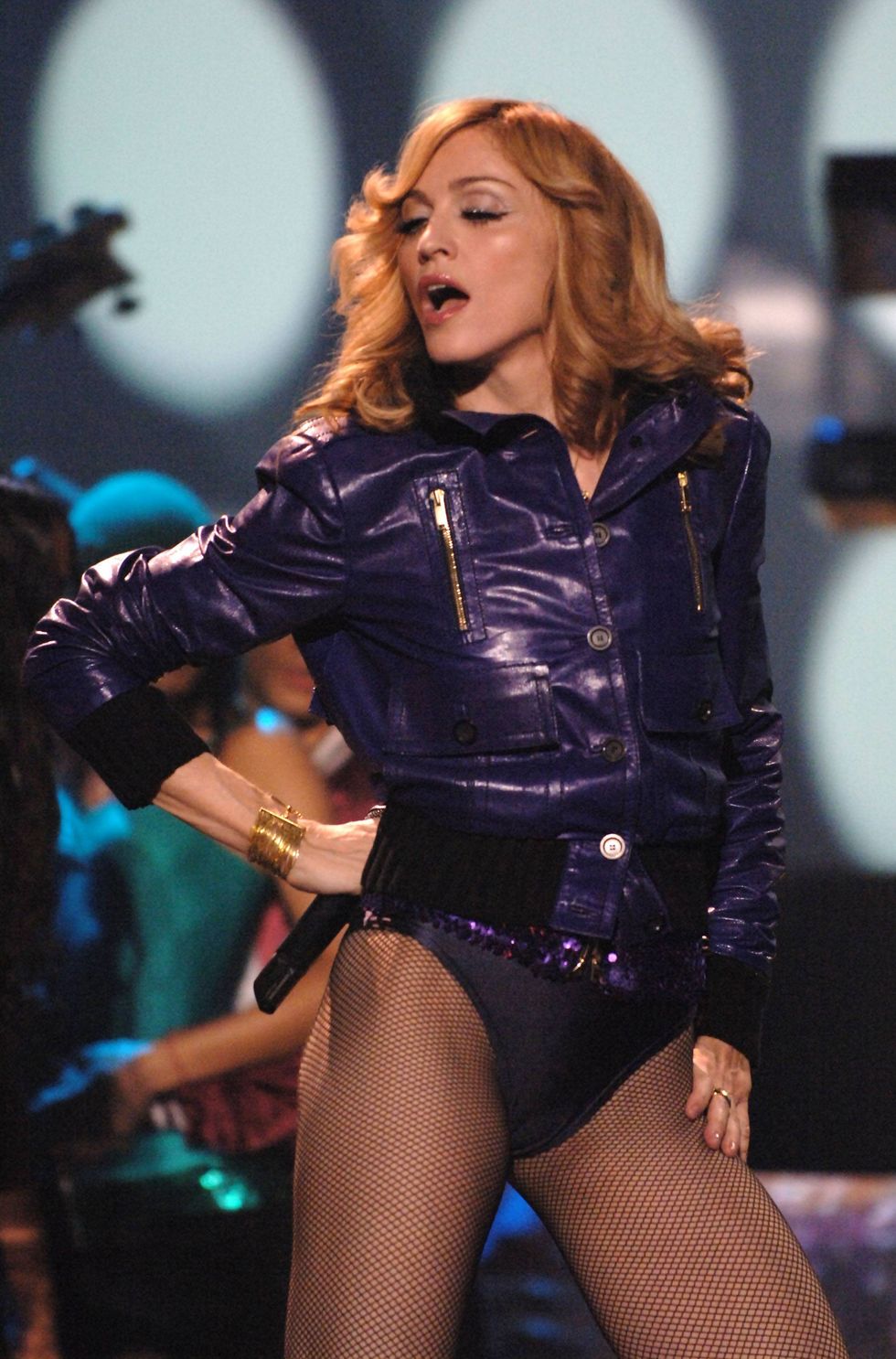
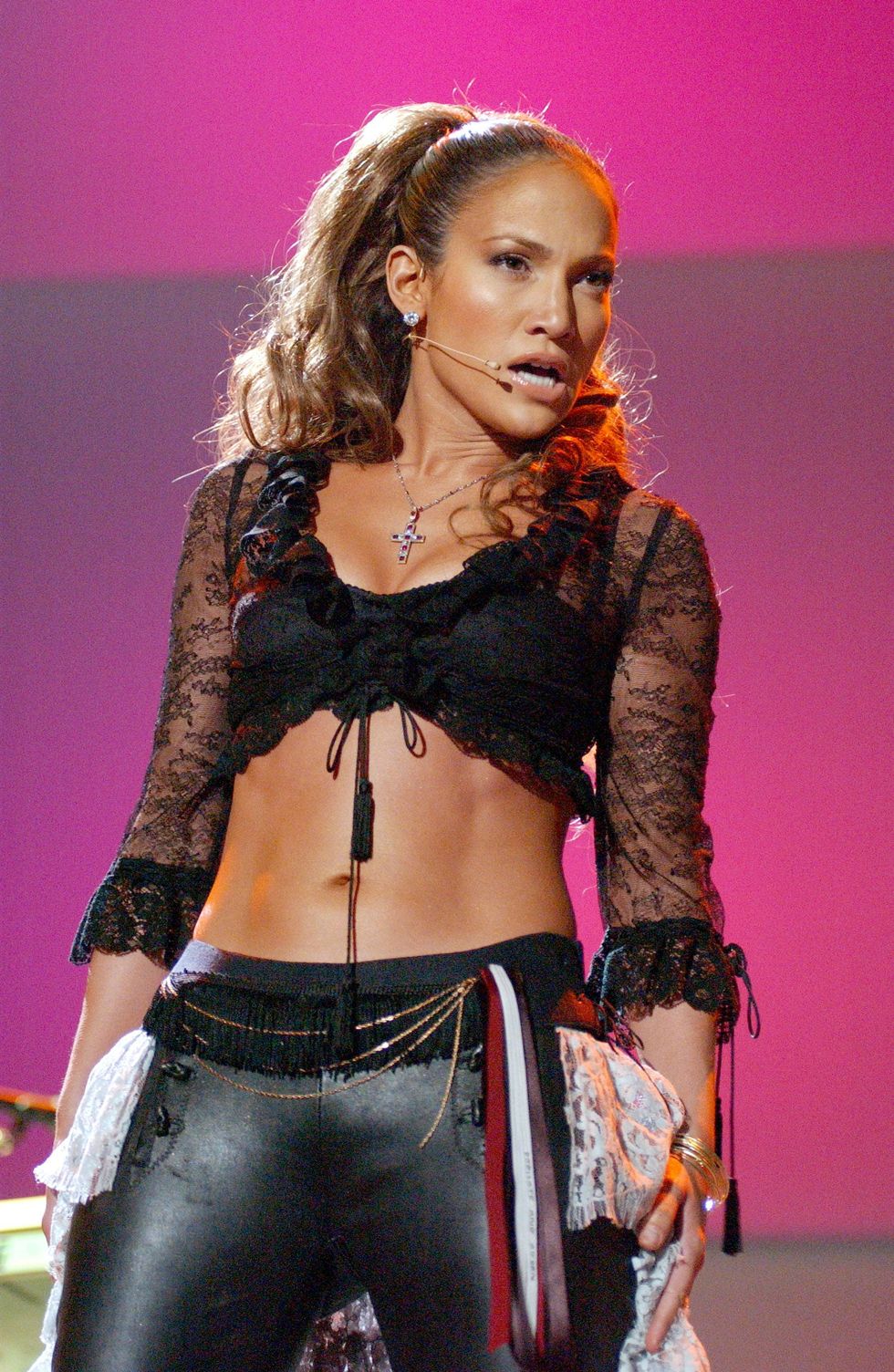
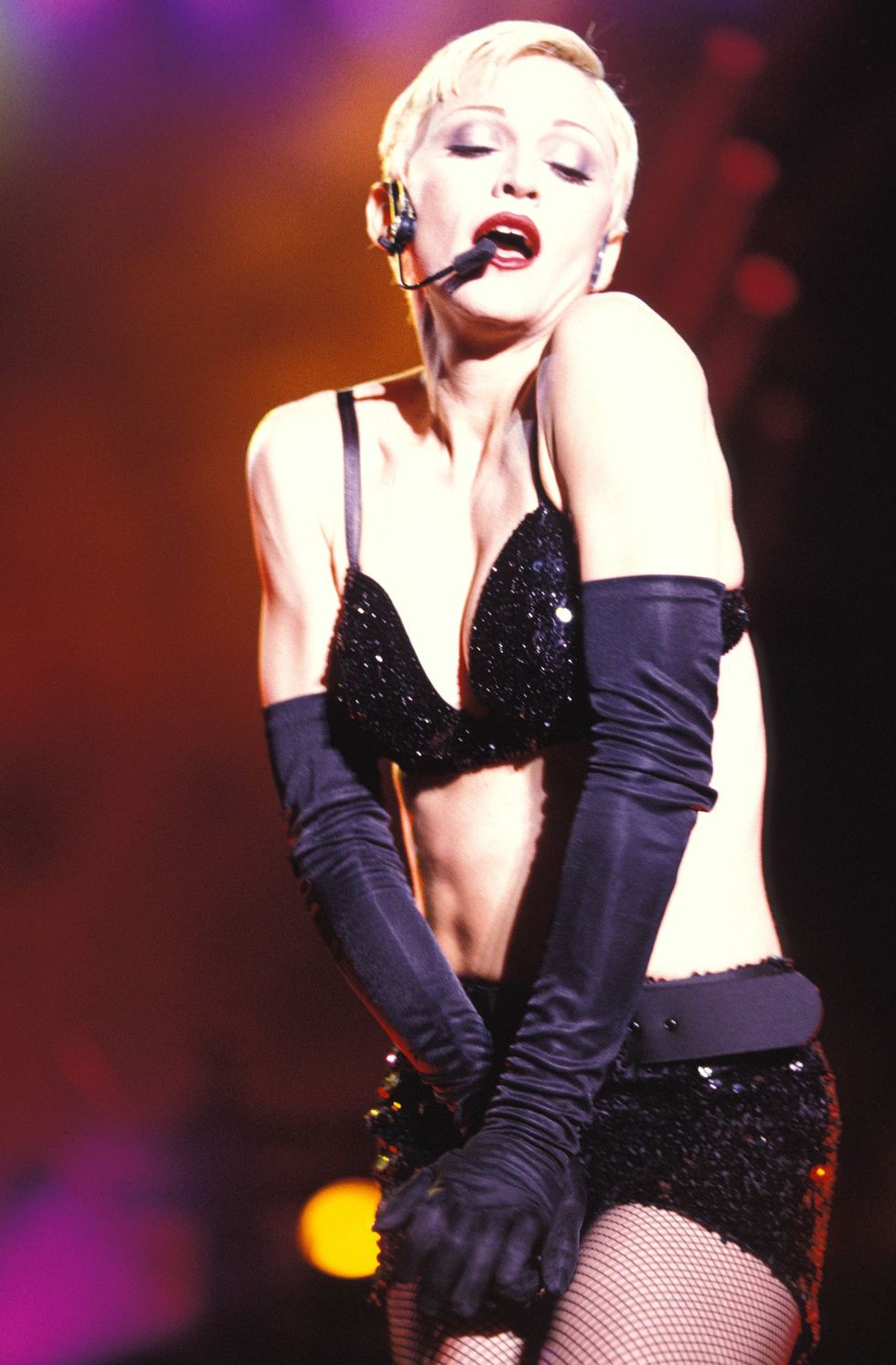
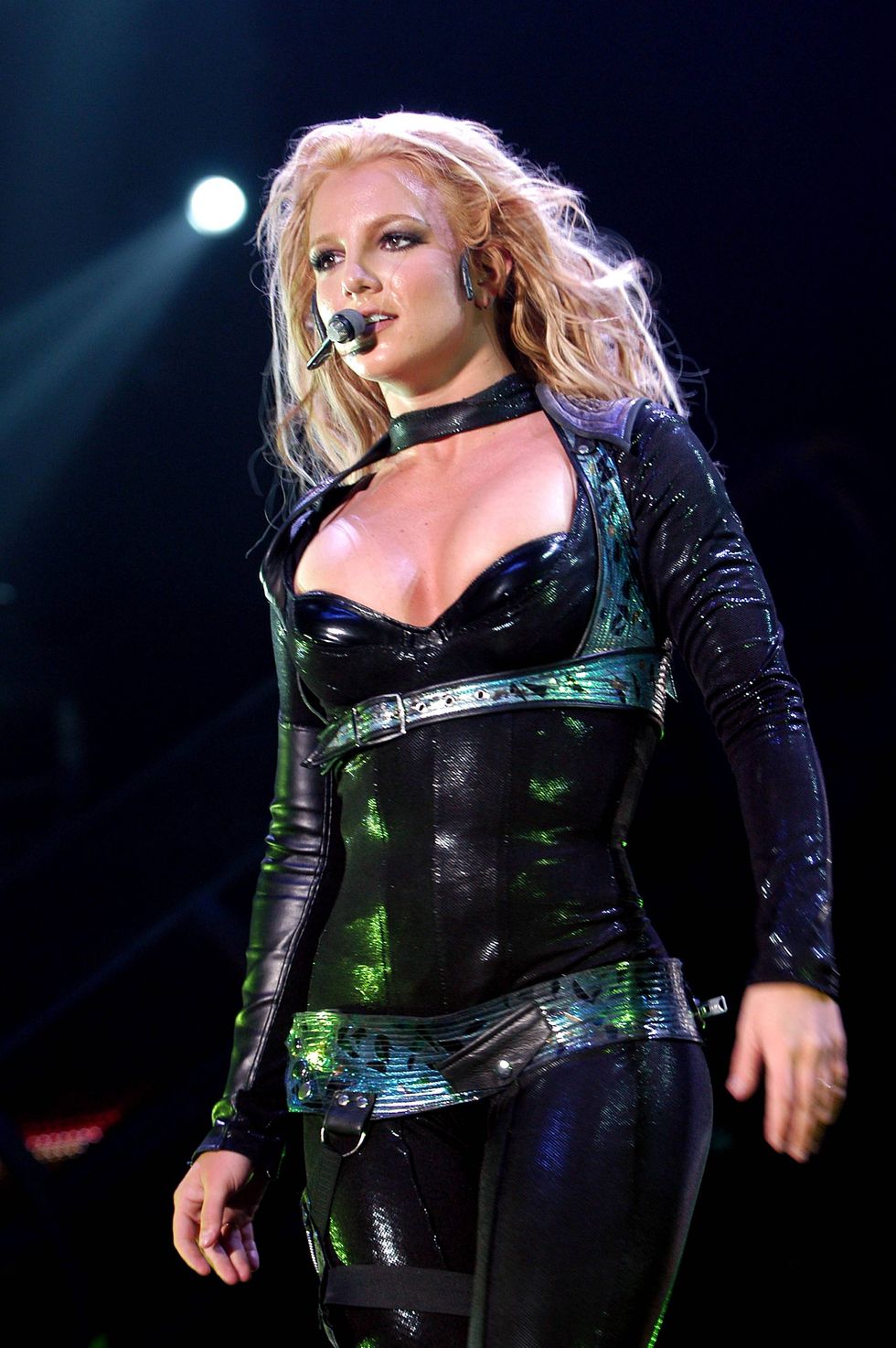
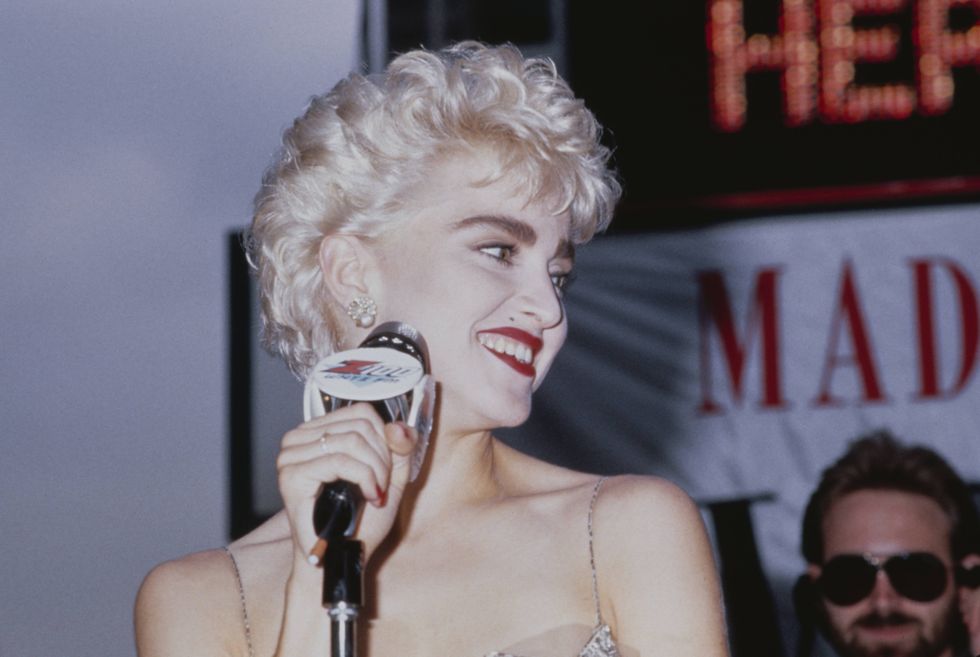
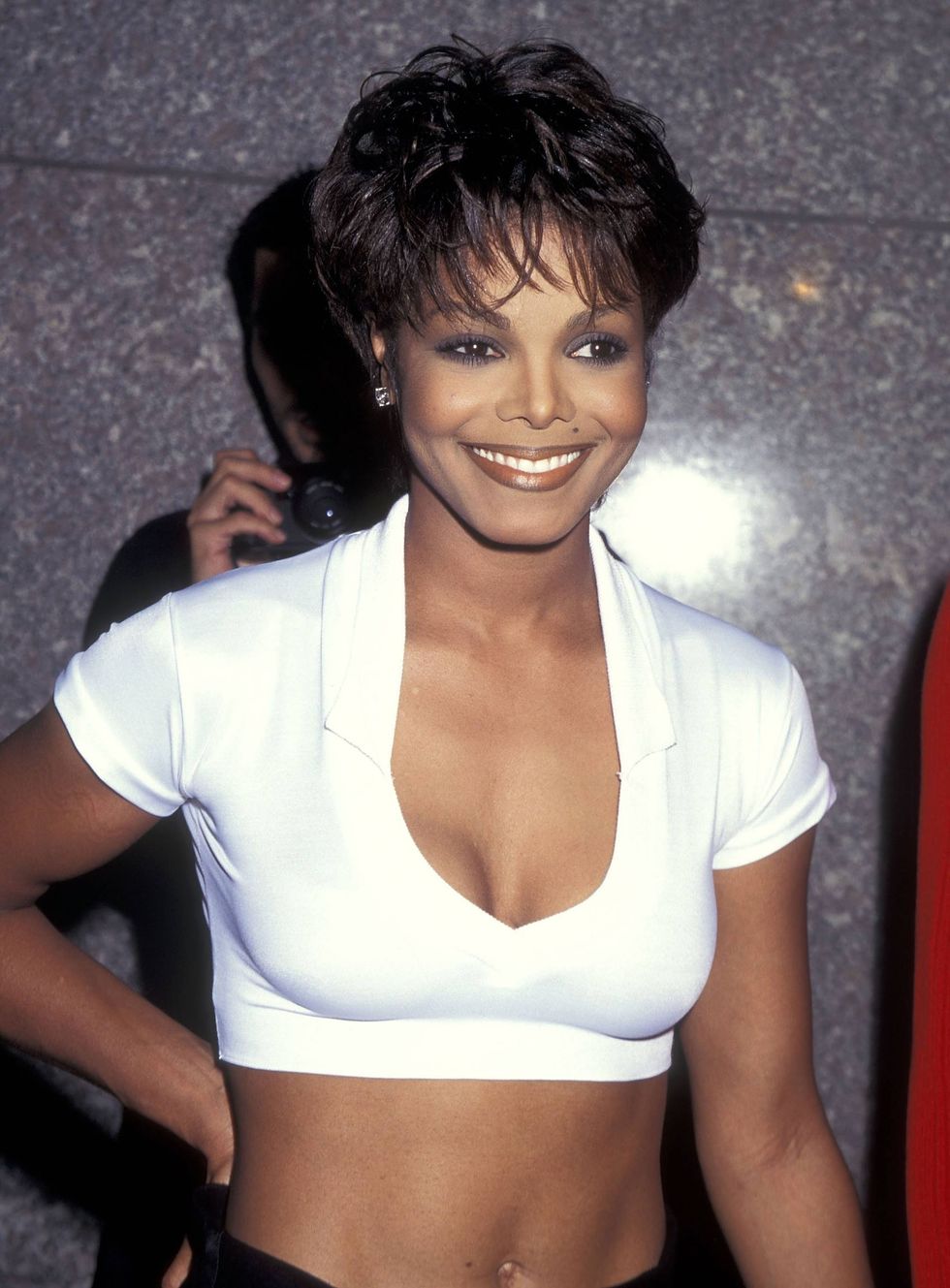
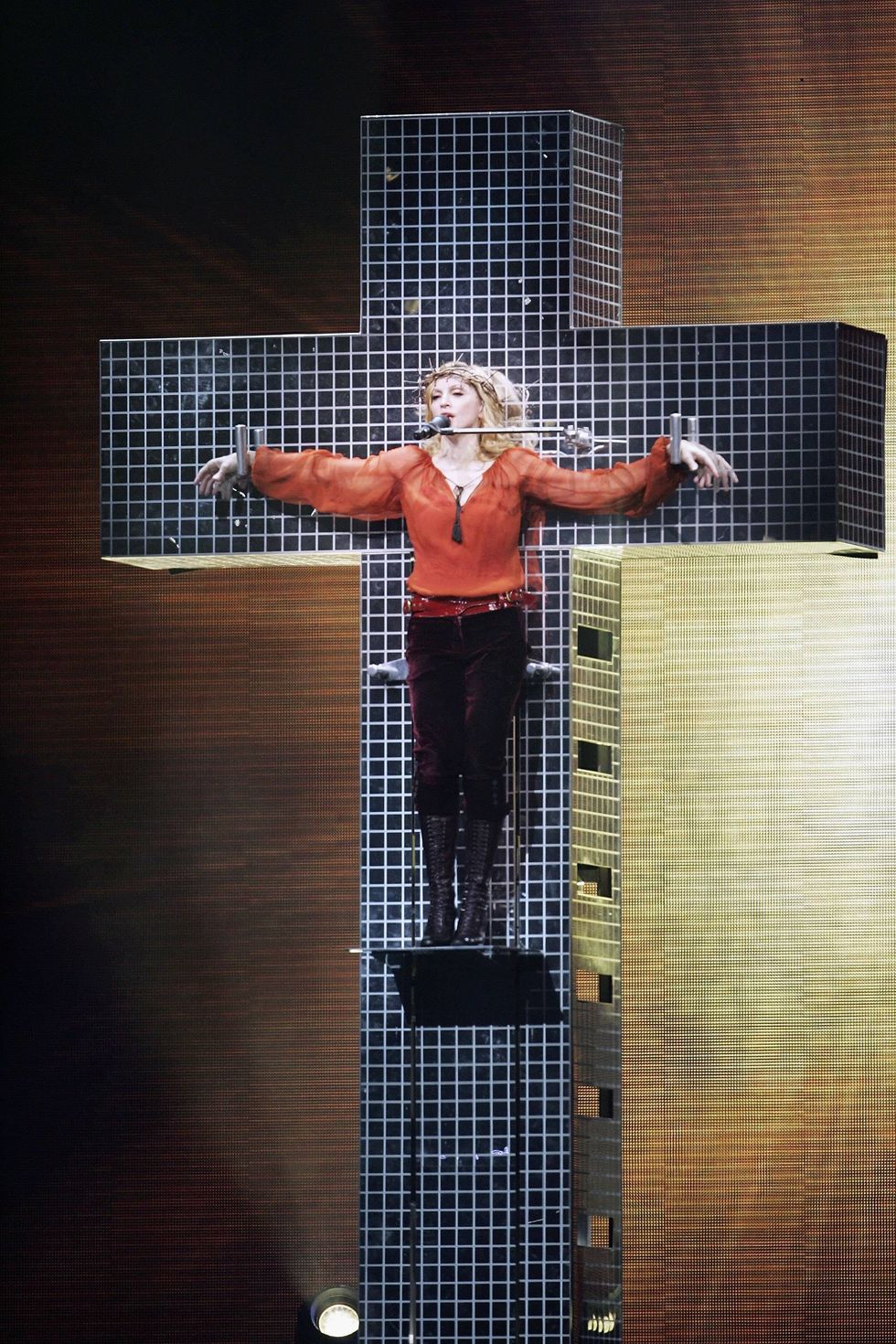
Like most things pop culture, all remix album roads lead back to the Mothers: Madonna and Janet. On You Can Dance (1987), Madonna reimagined tracks from her first three albums, while janet. Remixed (1995) only features about half of the original janet. tracklist. Jennifer Lopez and Britney Spears would usher the trend into the 2000s with J to tha L-O! and the first volume of B in the Mix. Mariah Carey would similarly release the club classic The Remixes in 2003. But by the late 2000s, the remix album had largely given way to the bonus-track deluxe, especially as “mainstream” pop moved away from those gritty club tracks that could be more intuitively remixed. Think: Adele, Bruno Mars, Mumford & Sons.
Among all the big-name pop stars throughout the 2010s, like One Direction, Ariana Grande (My Everything), and especially Taylor Swift, deluxe editions would become defining parts of their catalogues. And the bonus-track deluxe is still kicking: Sabrina Carpenter’s Short n Sweet (Deluxe) and Olivia Rodrigo’s GUTS (spilled) are perfectly recent examples of what feels like the industry-standard deluxe form. Charli herself did it with Crash just two years before Brat, adding four new songs to the original tracklist while actively playing the Main Pop Girl game.
Even as mainstream pop battled between EDM and “ho-hey!” in the 2010s, remix albums persisted in the underground electronic and R&B spaces. Kelela has released top-to-bottom remix projects since the Cut 4 Me EP and her debut album Hallucinogen in 2015, getting renditions from artists like Kaytranada, Princess Nokia, and Yaeji. Kaytranada, specifically, has become a kind of cosigner in that pop-R&B-club space, with his remixes serving as a go-to bridge between scenes (Rochelle Jordan, Kali Uchis), ushering that ever-changing sonic spirit into the 2020s.
Into the late 2010s, pop remixes were mostly one-offs: Calvin Harris’ Funk Wav remix of SZA’s “The Weekend,” Lorde compiling the very-of-the-time group of Post Malone, SZA, and Khalid for a 2018-pilled “Homemade Dynamite.” Early in the Brat rollout, when we’d only heard the “Von dutch” remix with Addison Rae and A.G. Cook, this seemed the more likely route for Charli.
In the pandemic era, as pop turned back toward the dancefloor and artists had more time to experiment, Dua Lipa and Lady Gaga both released their own ravey dance-pop LPs (Future Nostalgia and Chromatica, respectively), each with a remixed counterpart. Dua went on to drop Club Future Nostalgia, a collab with The Blessed Madonna that evokes ‘90s British radio-DJ mixes, featuring remixes by Jayda G, Mark Ronson, and London disco mainstays Horse Meat Disco. Gaga recruited a grab-bag of hyperpop, triphop, and electronic artists for Dawn of Chromatica, with remixes and occasional verses from Ashnikko, Arca, Shygirl and Dorian Electra. Dawn, specifically, follows the same tracklist order as Chromatica, making it feel even more like an evil counterpart.
When Tame Impala’s Rushium tour was put on pause at the start of the pandemic, just weeks after he dropped his fourth full-length, The Slow Rush, Kevin Parker released The Slow Rush in an Imaginary Place. It’s less of an on-the-nose remix album than an environmental reinterpretation, with ambient crowd chatter and a faraway effect that sounds like the album is reverberating from the club across the street. This was also a less formal “drop” (released to SoundCloud and YouTube rather than an official streaming release), but it’s a reinterpretation that gets at the sonic malleability at the core of remix efforts, especially in the electro-pop space. And in that same vein, on the production side, Parker’s work with Dua Lipa on 2024’s Radical Optimism resulted in an extended cut of the LP that added 20 minutes of music to the original tracklist, offering a trancey counterpart to the original’s pure pop sensibilities.
This is to say that Charli xcx didn’t so much invent the remix album as she did reintroduce it to the masses. If anything, Charli’s roots in remix albums, specifically, lie with A.G. Cook’s PC Music label/collective, which gave rise to artists like Danny L Harle, SOPHIE, and EasyFun, who then utilized that ethos with artists outside the scene.
Brat and it’s completely different but also still Brat feels like the inflection point, where remix LPs were officially “back” for the mainstream listener.

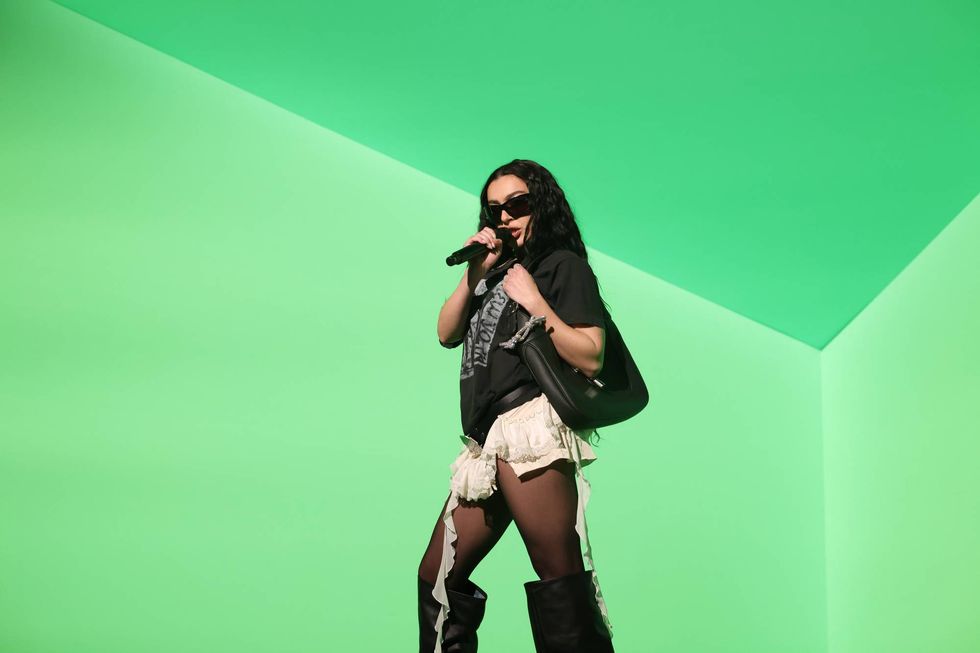
The drop coincided with her midweek midday livestream listening party at an upstate New York art installation, Charli teasing songs in a similarly frenetic, Boiler Room-type energy. Some of her biggest features (Lorde, Billie Eilish, Troye Sivan) rolled out as a slow drip, holding us over for the summer. And those songs, with their underlying gossip and subsequently internet-combusting lyrics — Lorde’s “Girl, so confusing” verse, Eilish’s “Charli likes boys, but she knows I’d hit it” on “Guess” — landed as “moments” in their own right.
Part of what made Brat and it’s completely different feel so expansive in the mainstream was the way she thoroughly reworked most of the original material. Tracks became completely new compositions, with new elements and melody lines that changed the song’s original tone (see: “Talk talk featuring troye sivan” only building off the original’s bridge, or the “Owner of a Broken Heart” sample added to “Mean girls featuring julian casablancas”).
Since then, Rose Gray released A Little Louder, Please in October, the remix-deluxe (featuring JADE with remixes from Logic1000 and Alex Chapman) that built on the slow-burning hype the original fostered throughout the year. PinkPantheress more than quadrupled the Fancy That runtime with her three-disc behemoth, Fancy Some More?, which split the tracklist into a slew of features that leaned into each artist’s style and a separate set of remixes that showcased her UK underground inspirations. As if to say, “Yes, I’m giving you three versions of ‘Illegal’ and four versions of ‘Stateside,’ and you’re gonna listen to all of them!”
And then we did.
At the top of the year, Lily Allen teased a West End Girl remix LP in Interview at the top of the year, while Zara Larsson (who cited Charli as inspiration) confirmed a Midnight Sun remix album is imminent. Is everyone just playing catch-up? It feels like something of an expectation now: every pop album that makes a splash must reignite the conversation with a complete reinterpretation. Brat and it’s completely different still held the surprise and spectacle, but each one since then, regardless of how good some of the songs are, comes across as a box-checking obligation.
It also begs the question of when a remix album is and isn’t necessary.
Would the dancefloor underwhelm of Kiss All The Time. Disco, Occasionally benefit from a more balls-to-the-walls trance-house makeover? To me, yes. But is something like a Sabrina Carpenter feature on Lily Allen's "Tennis" going to hit the same as Pink and Zara's “Stateside”? Probably not. If everything is stage-setting for reinvention, then reinvention stops meaning anything at all.
Images via Getty