Ethiopia warns Egypt cannot block its push for Red Sea access as Strait of Hormuz energy supply disruptions hit economy
Ethiopia has accused Egypt of attempting to obstruct its efforts to secure access to the Red Sea, deepening tensions between the two African powers amid longstanding disputes over the Nile River, regional influence and growing energy security concerns linked to the Strait of Hormuz crisis.
 Black News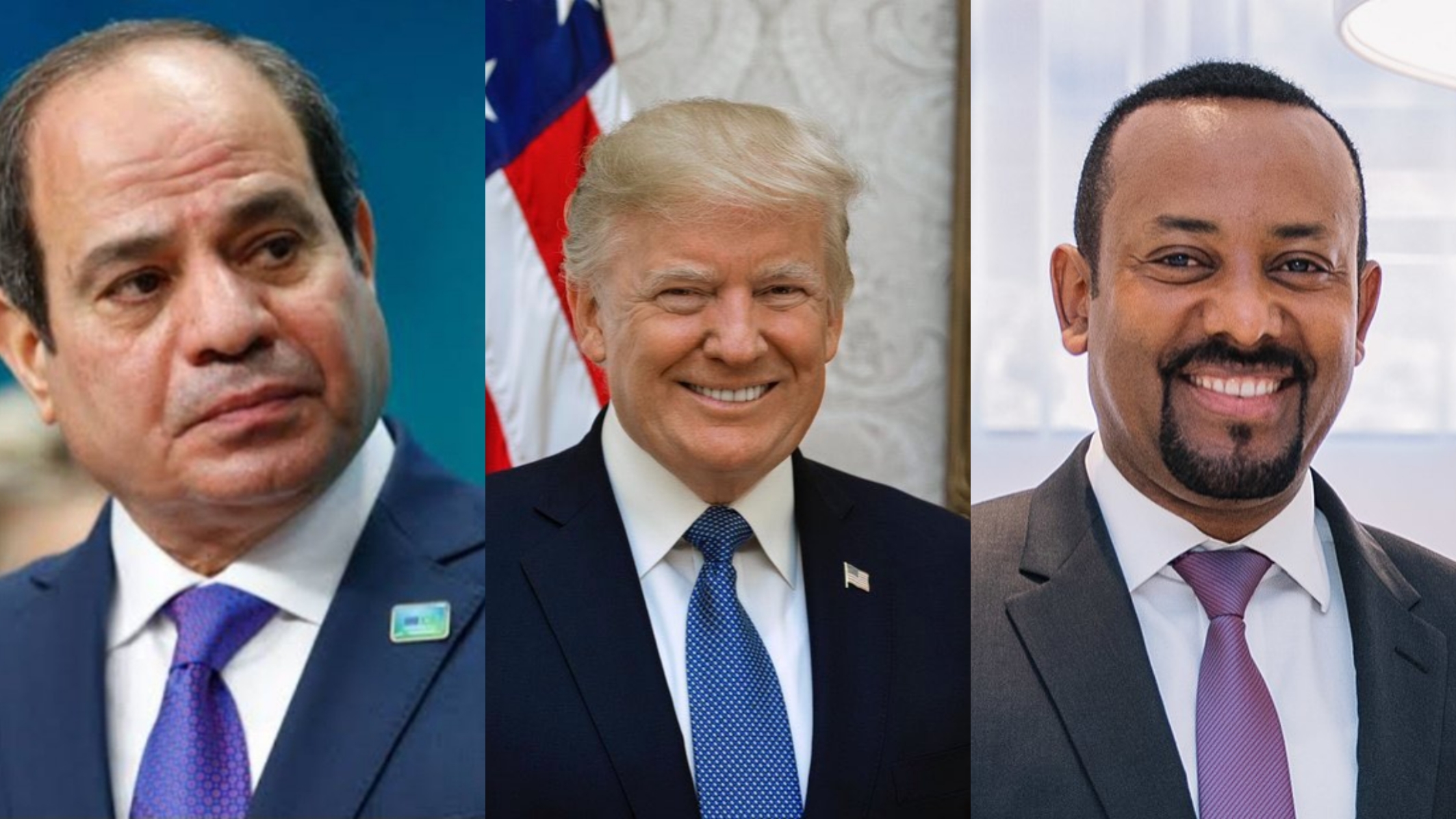

Ethiopia has accused Egypt of attempting to obstruct its efforts to secure access to the Red Sea, deepening tensions between the two African powers amid longstanding disputes over the Nile River, regional influence and growing energy security concerns linked to the Strait of Hormuz crisis.
- Ethiopia has accused Egypt of blocking its attempts to secure access to the Red Sea, escalating long-standing regional tensions.
- The dispute over the Grand Ethiopian Renaissance Dam (GERD) on the Nile River remains central, with both countries seeing their core strategic interests at stake.
- Egypt has expanded its influence in the Red Sea region, deepening ties with Somalia, Eritrea, and investing in strategic energy infrastructure.
- Ethiopia’s fuel supplies have been severely disrupted by instability around the Strait of Hormuz, exposing its reliance on imports and making maritime access even more urgent.
In a statement issued last Thursday, Ethiopia’s Foreign Ministry spokesperson Nebiat Getachew Assegid said Addis Ababa would continue pursuing maritime access through “peaceful and sustainable means” despite what he described as Egyptian efforts to isolate Ethiopia regionally.
“Egyptian actions in the region are attempts to encircle and obstruct our efforts to gain maritime access to the Red Sea and create tensions in the region,” Assegid said.
“We have become accustomed to Egypt’s aggressive approach over many years. Despite these attempts, we will continue seeking maritime access through peaceful and sustainable means. We have international and regional support to achieve that,” he added.
Egypt had not publicly responded to the remarks at the time of reporting.
GERD dispute remains central to tensions
Meanwhile, relations between the two countries continue to be shaped by the long-running dispute surrounding the Grand Ethiopian Renaissance Dam, which is now fully operational.
Construction of the GERD began in 2011 on the Blue Nile, one of the Nile River’s main tributaries.
Ethiopia says the project is essential for economic growth, industrialisation and electricity generation, while Egypt maintains that the dam threatens its water security because the Nile supplies most of the country’s freshwater needs.
Earlier in the dispute, Egyptian President Abdel Fattah el-Sisi held talks with U.S. President Donald Trump as Cairo sought greater international involvement in resolving the dam issue.
Hormuz disruptions expose Ethiopia’s vulnerabilities
Nonetheless, growing disruptions around the Strait of Hormuz are increasing pressure on Ethiopia’s push for Red Sea access as the country seeks to reduce its dependence on regional transit routes after becoming landlocked following Eritrea’s independence in 1993.
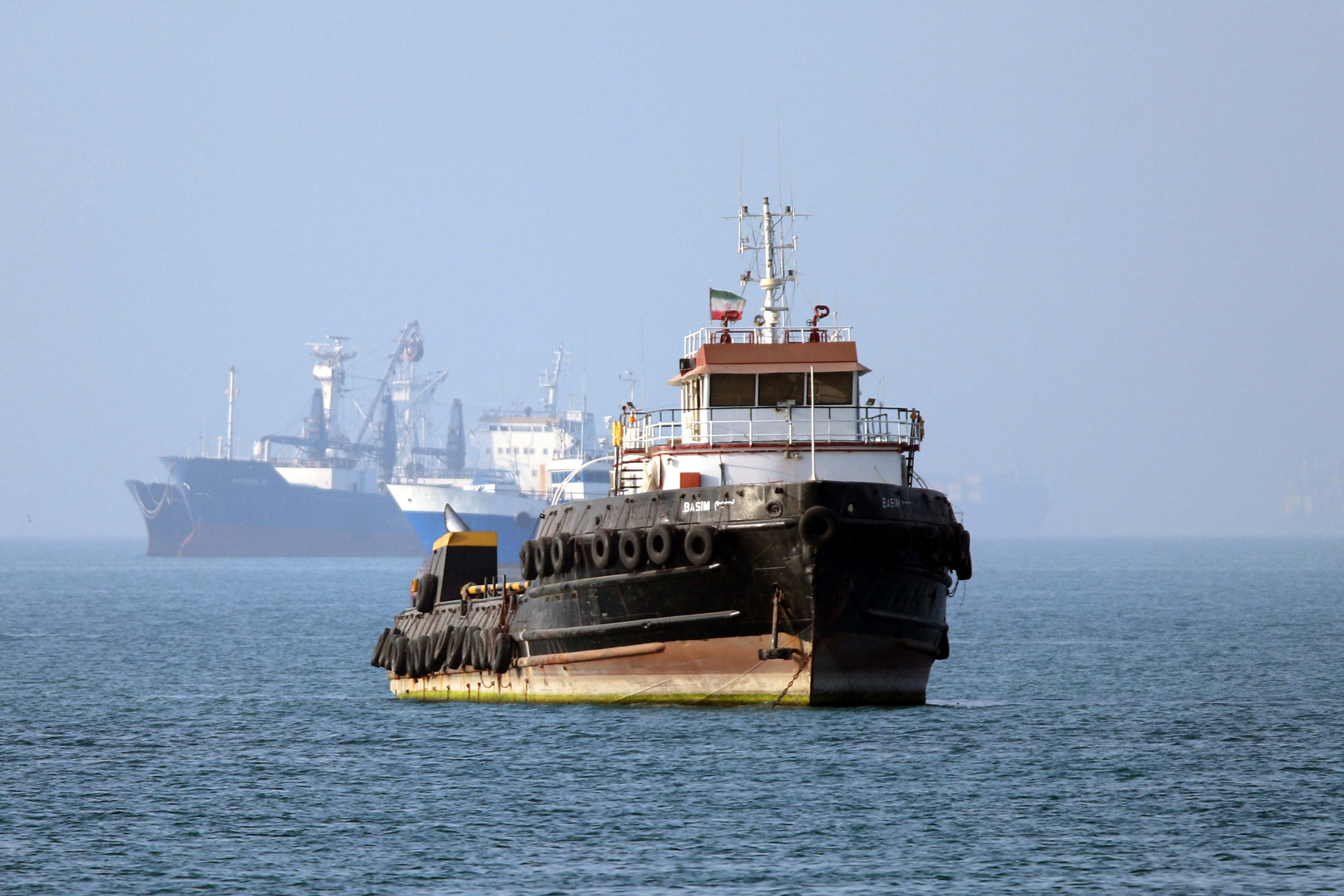
Recent local reports showed that three vessels bound for Ethiopia carrying 120,000 metric tonnes of diesel and 60,000 metric tonnes of jet fuel were stranded in the Arabian Gulf, exposing the country’s vulnerability to global supply disruptions.
For Ethiopia, which depends entirely on imported petroleum products, the impact has been immediate.
Under a long-term agreement with Kuwait, Ethiopia sources about 60% of its diesel and all of its jet fuel from the Gulf state, while the remaining fuel is secured through international tenders.
According to local reports, the disruption effectively halted Ethiopia’s planned imports of around 180,000 metric tonnes of fuel, forcing authorities to seek emergency supplies on the spot market at significantly higher prices.
Additionally, rising global oil prices are increasing pressure on Ethiopia’s foreign exchange reserves, weakening the birr and worsening inflation risks.
Consequently, Ethiopia has intensified efforts in recent years to secure alternative maritime access after decades of depending heavily on Djibouti’s ports for trade.
Egypt expands Red Sea influence
Meanwhile, Egypt has strengthened strategic ties with countries including Somalia and Eritrea, both of which have experienced periodic tensions with Ethiopia, while also expanding its influence across the Red Sea corridor.
Egypt remains one of the region’s most strategically positioned energy transit players through the Suez Canal and the SUMED pipeline, which transports crude oil from the Red Sea to the Mediterranean, helping global markets bypass risks linked to the Strait of Hormuz.
Cairo has also strengthened regional energy infrastructure and pipeline cooperation as Europe searches for alternative oil and gas supply routes outside Russia and the Gulf, expanding Egypt’s strategic influence over the Red Sea as tensions with Ethiopia over the GERD continue.