Exclusion from Investment Code Identified as Main Obstacle to Ethiopia’s Creative Industry
Stakeholders say the main obstacle facing Ethiopia’s cultural and creative industries is not a lack of government funding, but the sector’s exclusion from the national investment code. They argue that although the industry has strong potential to generate foreign exchange and create jobs, the absence of legal recognition within the country’s commercial framework has prevented […]
 Black News
Stakeholders say the main obstacle facing Ethiopia’s cultural and creative industries is not a lack of government funding, but the sector’s exclusion from the national investment code.
They argue that although the industry has strong potential to generate foreign exchange and create jobs, the absence of legal recognition within the country’s commercial framework has prevented the creative economy from emerging as a standalone driver of growth.
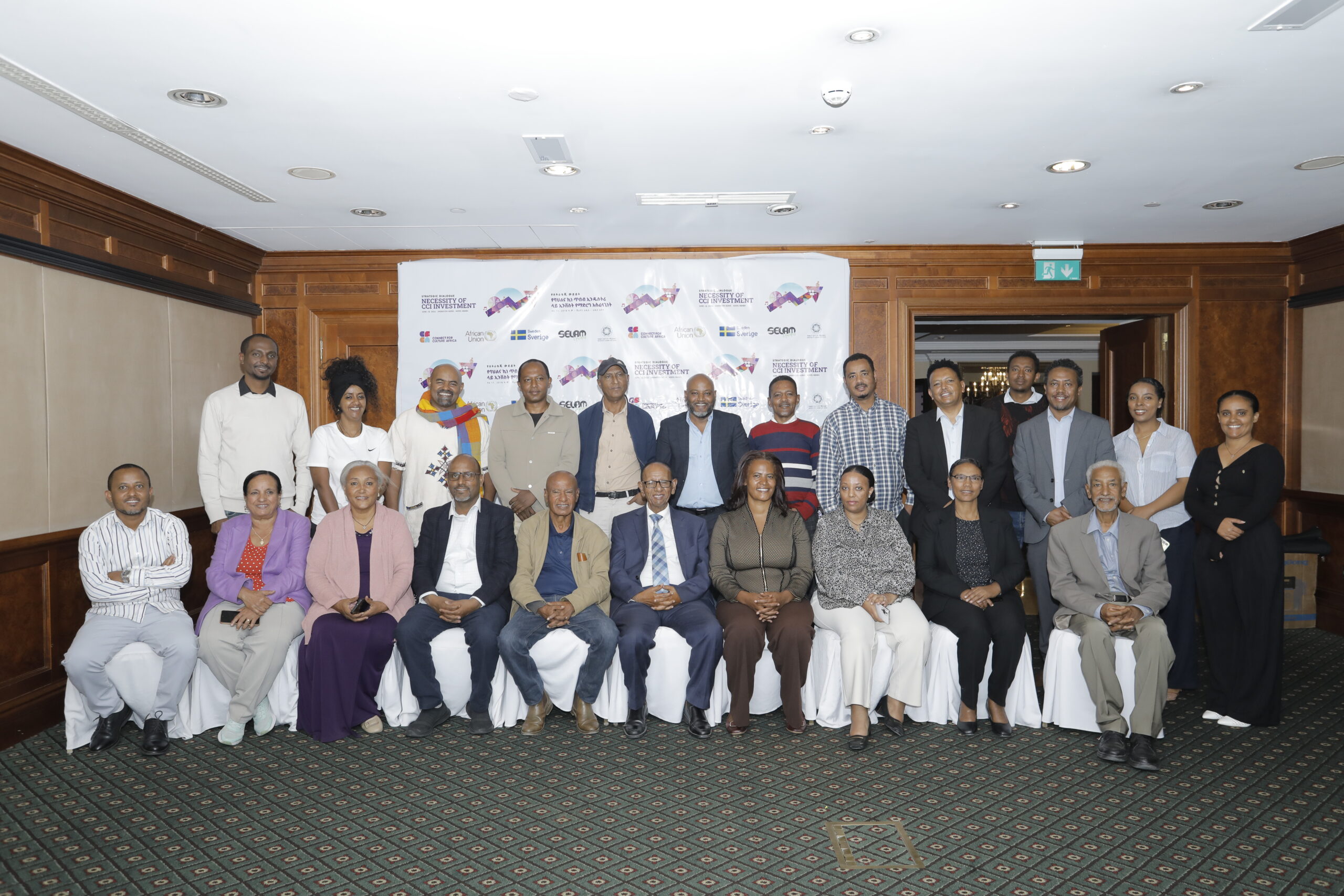
The issue was raised when Selam Ethiopia handed over a five-year study under the continental Connect for Culture Africa project to a government executive body. The study is intended to support the implementation of an African commitment that calls on member states to allocate at least 1 percent of their annual budgets to culture and the arts.
According to the findings, the culture and arts sector is not only a source of entertainment but also an important contributor to national development and employment creation.
Sisay Mengiste, program director of Selam Ethiopia, said the organization has worked with federal and regional stakeholders for 21 years. He said the study would serve as a baseline for Ethiopia’s efforts to meet its continental commitment to fund the sector.
Hirut Kassa, head of the Addis Ababa Culture and Arts Bureau, said treating art, film and crafts under the same regulatory system as ordinary commodity trade has slowed the sector’s growth. She said the creative industry has its own operating procedures and commercial realities, and that the main problem is its exclusion from the investment code.
Officials said the government’s current role is largely limited to building infrastructure, training and policy formulation. In Addis Ababa, major cultural facilities such as the Adwa Memorial, regional theaters and cinema complexes have been built with public funds.
However, they said relying only on a fixed 1 percent budget allocation is not a sustainable solution. Instead, they argued that reforming policy to attract private investment should be the priority.
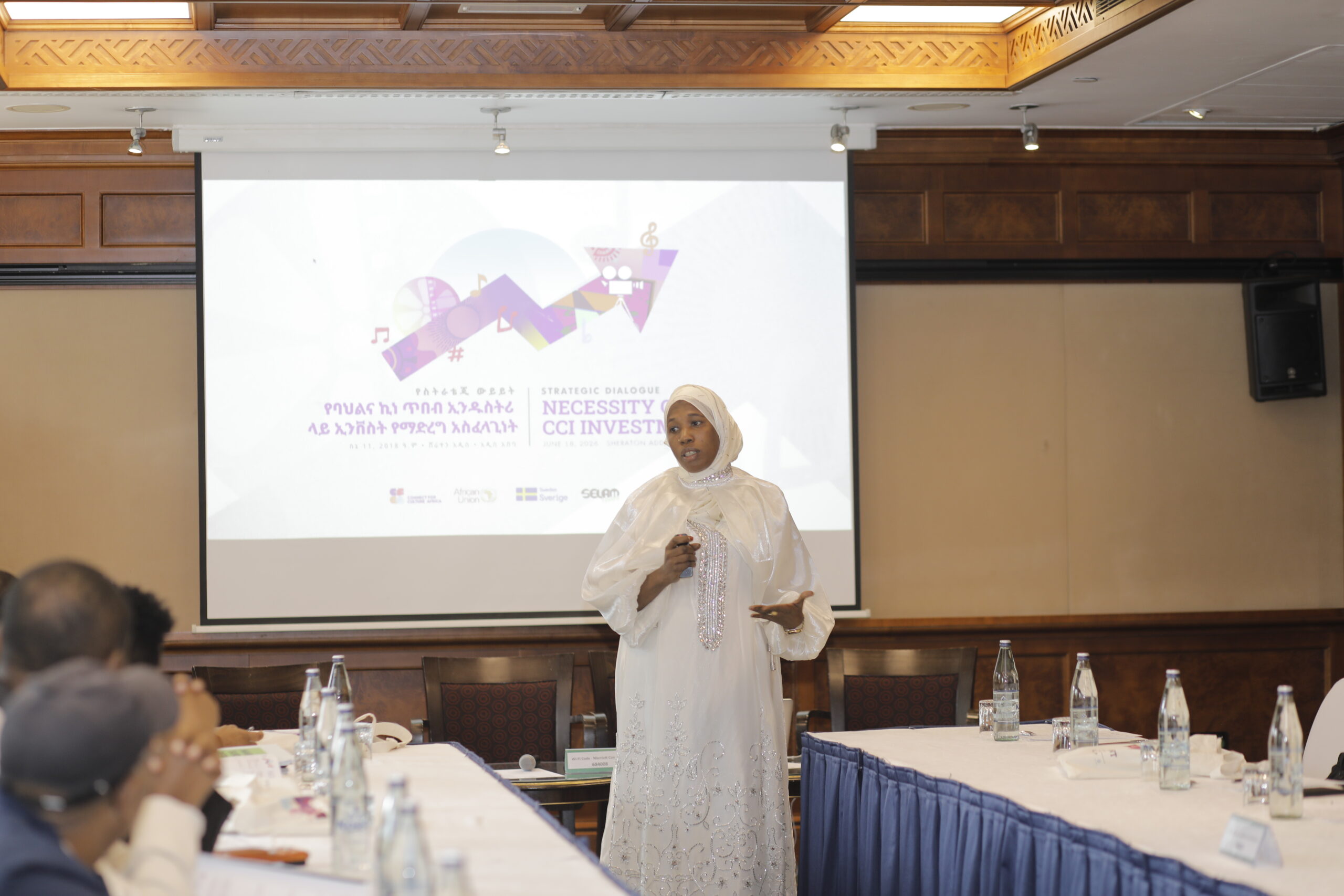
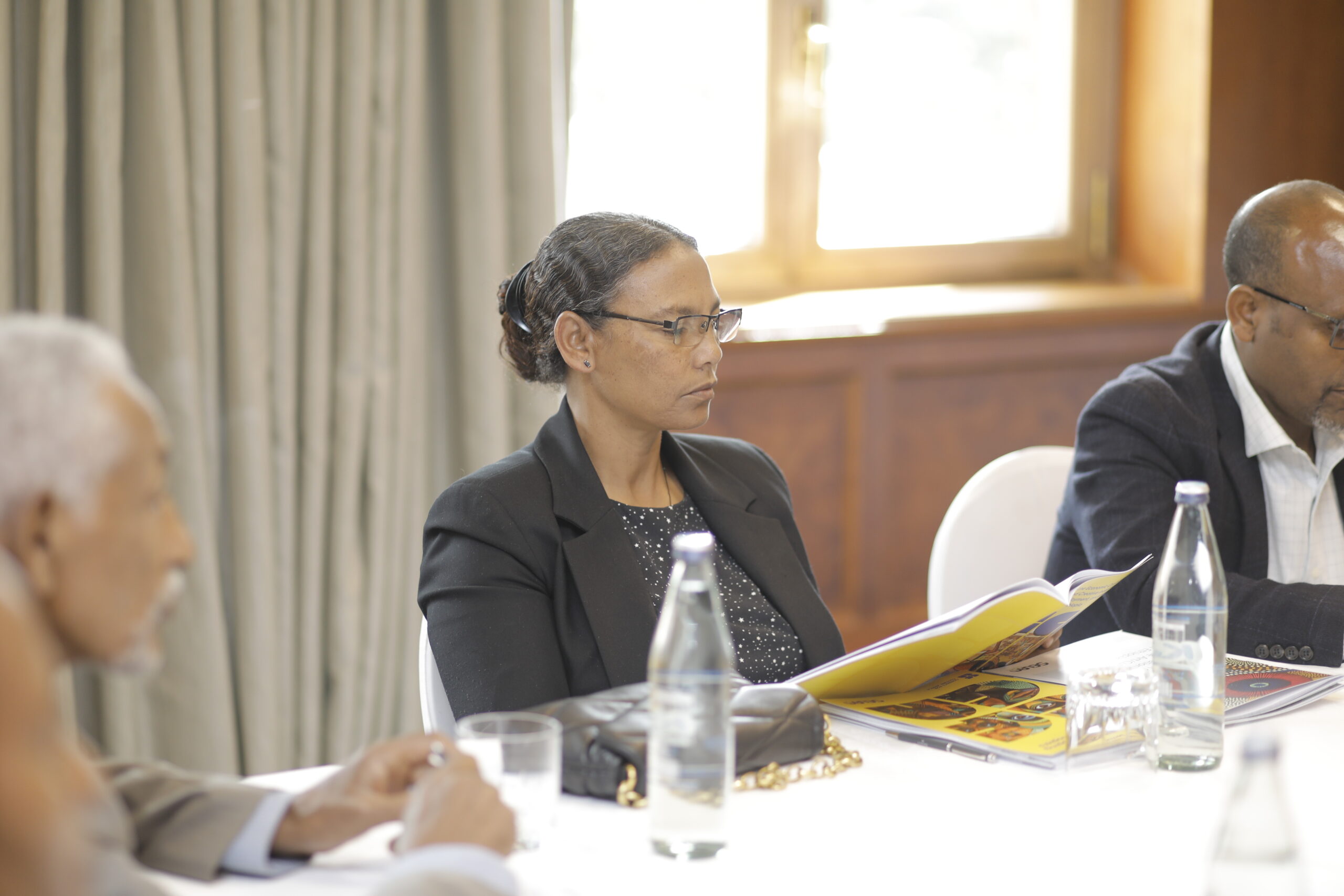
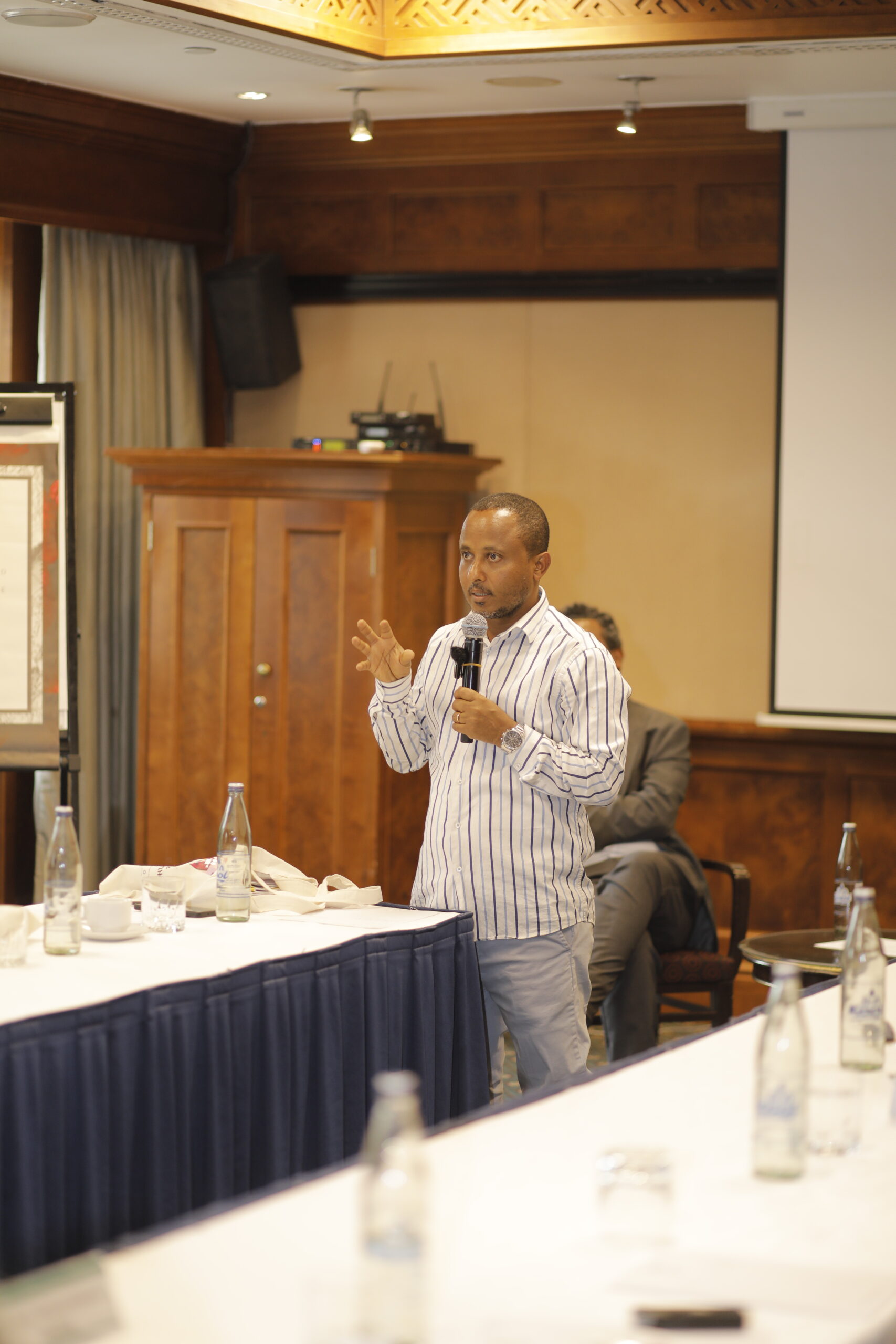
The presentation was attended by members of the House of Peoples’ Representatives Standing Committee, officials from the Ministry of Finance and the Planning and Development Commission, as well as representatives from universities and professional associations. Organizers said the goal was to help relevant institutions better understand the sector’s needs ahead of the Ministry of Culture’s budget discussions.
Nafisa Al-Mahdi, state minister of culture and language development at the Ministry of Culture and Sports, said culture and the arts are not only expressions of national identity but also pillars of the economy.
“When we talk about culture and arts, we are talking about national development,” she said. “In the past, the sector was seen only as entertainment, but the government is now giving it due attention, preparing policy frameworks and implementing them on the ground.”
She added that the sector’s economic value has not been sufficiently supported by research, particularly in terms of verified data on employment by gender and age. She said the new study helps fill that gap.
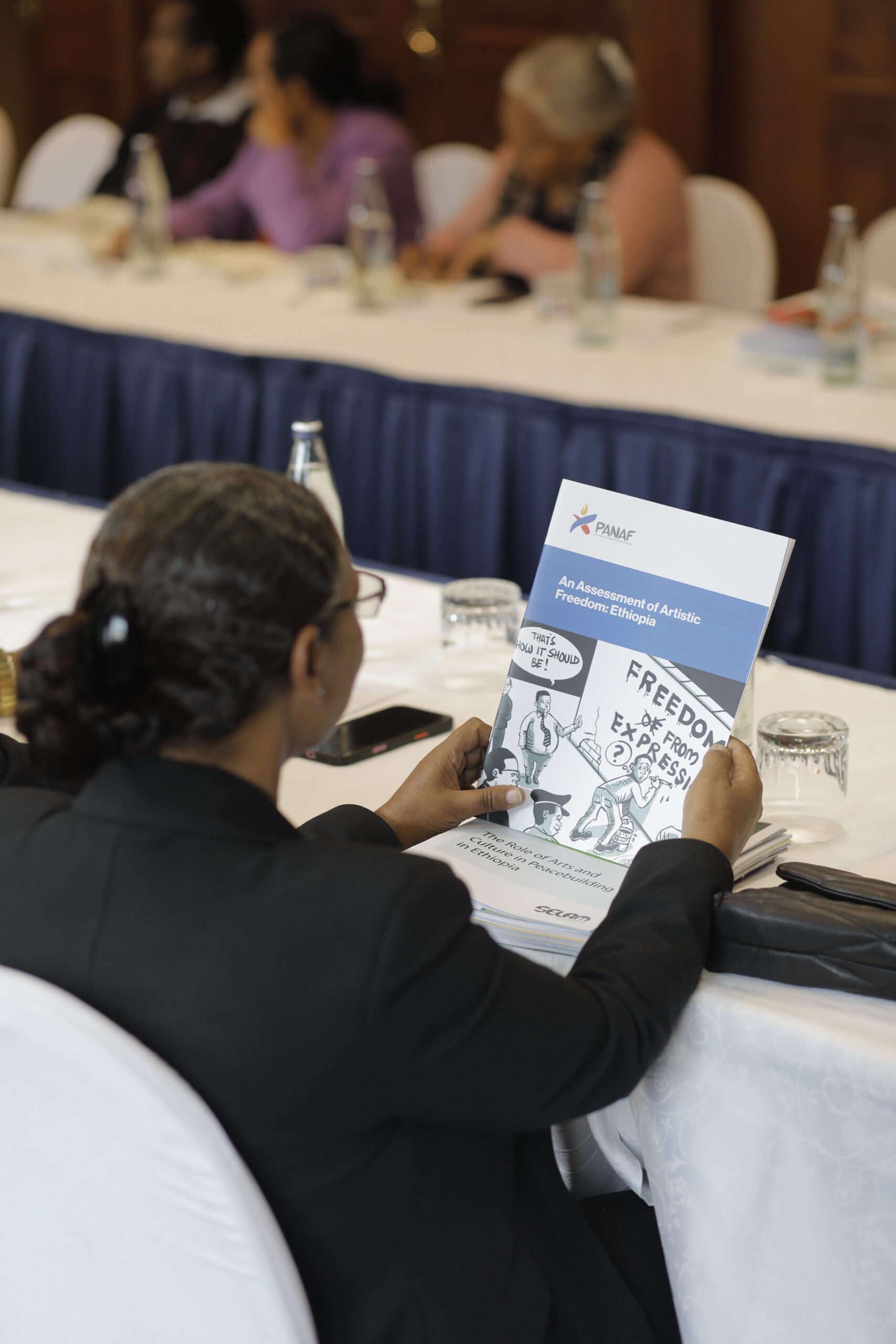
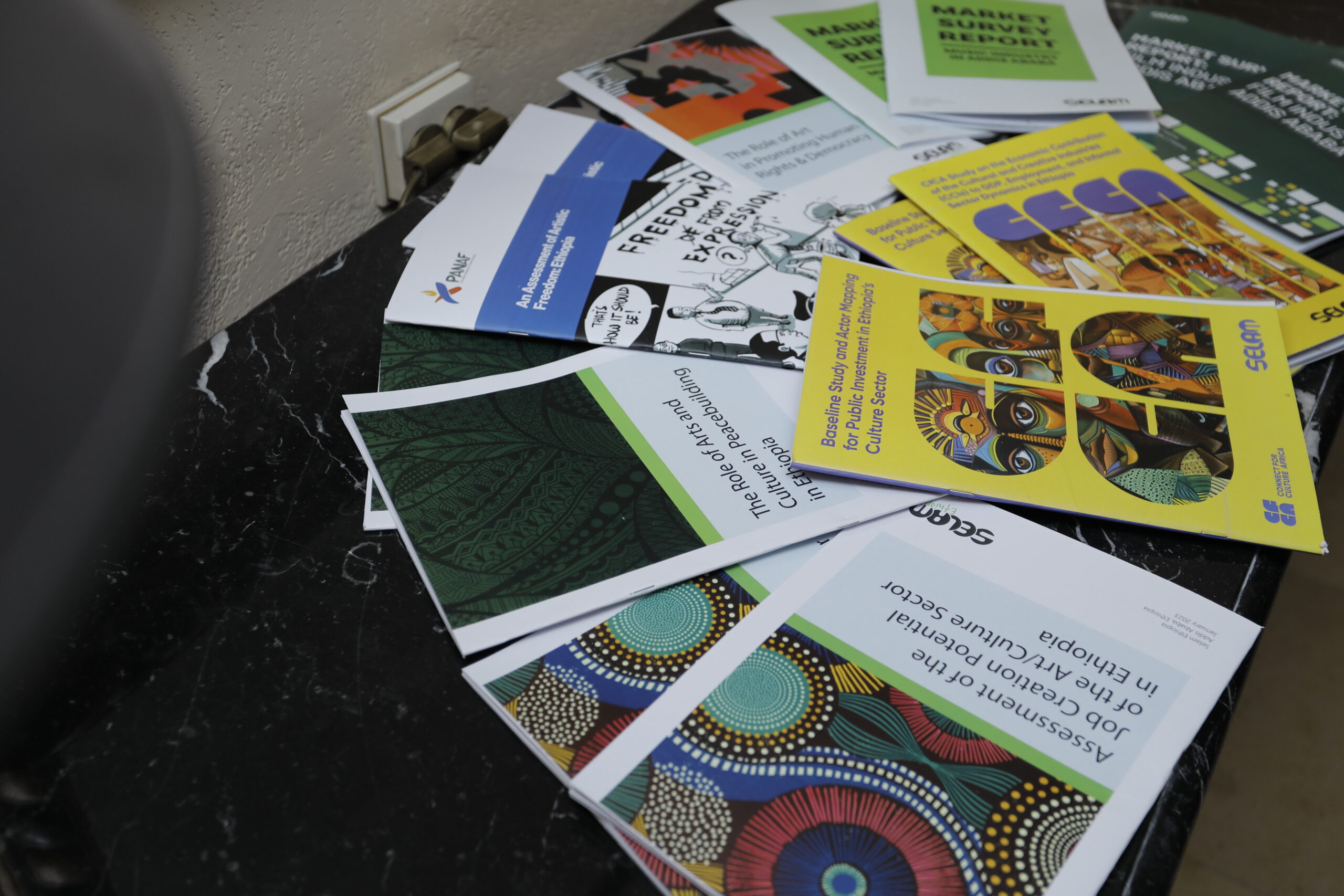
Among the eight studies presented were Baseline Study and Actor Mapping for Public Investment in Ethiopia’s Culture Sector, Market Survey Report: Music Industry in Addis Ababa, and The Role of Arts and Culture in Peacebuilding in Ethiopia.